Discover Iceland's rich Viking heritage while exploring some of the country's most spectacular waterfalls, combining cultural history with natural beauty. Consider extending your exploration with a 4-Day South Coast's Highlands Adventure.
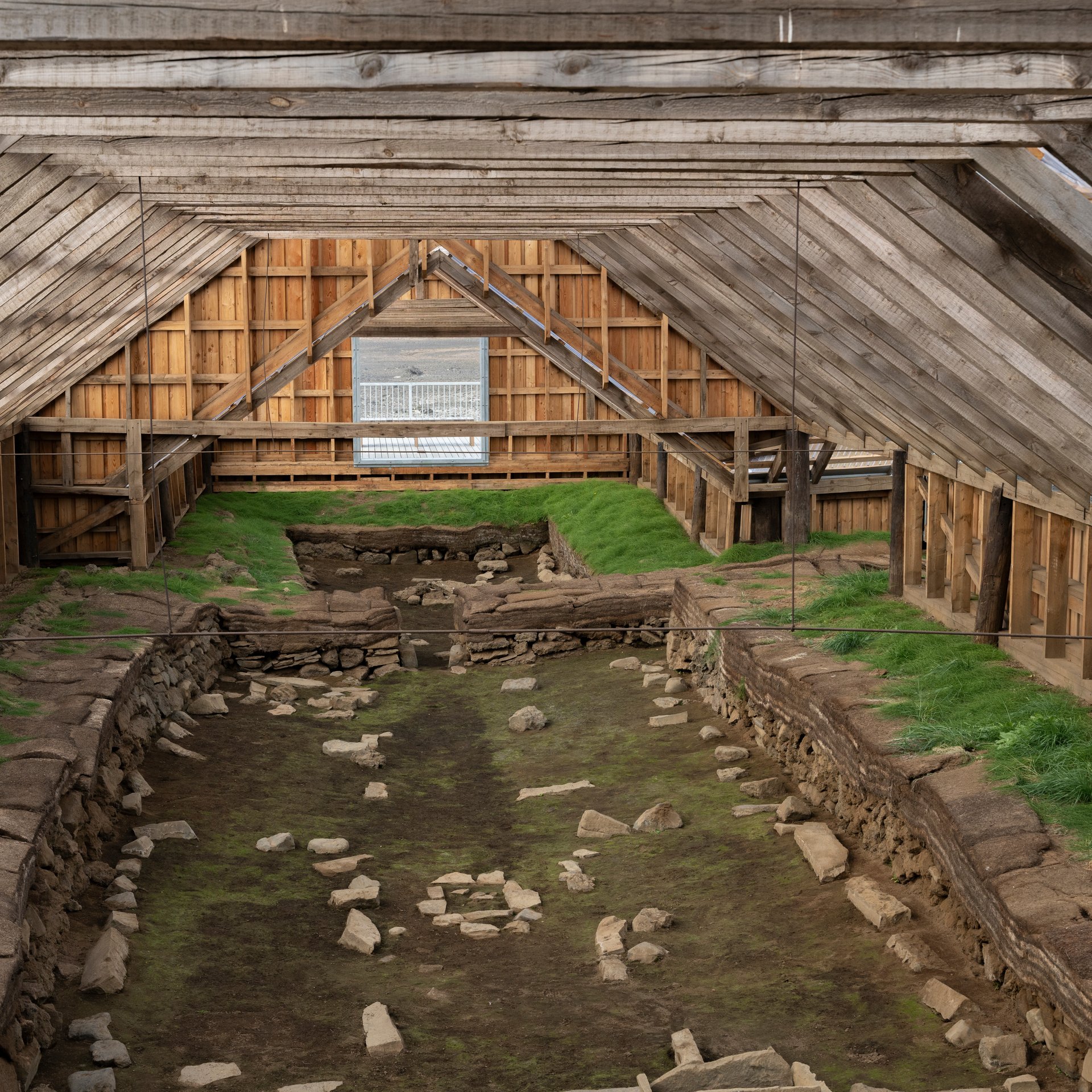
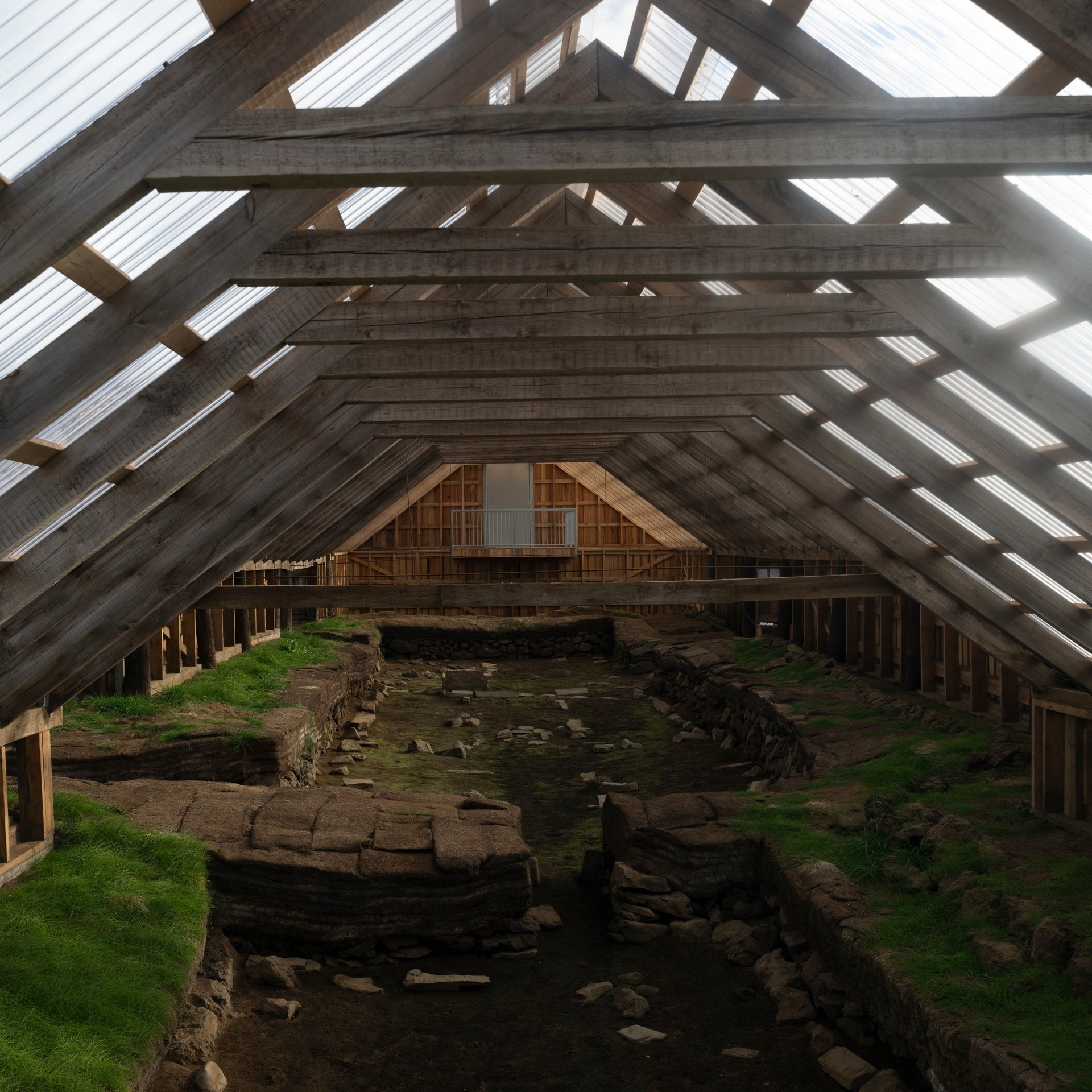
The Þjórsárdalur valley holds one of Iceland’s most remarkable archaeological stories. In 1104, the volcano Hekla erupted and buried the farming settlement of Stöng under a thick layer of ash — freezing a Viking Age community in time. When archaeologists uncovered the site in 1939, they found longhouse foundations, livestock quarters, and domestic artifacts that paint a vivid picture of daily life over 900 years ago. Nearby, Þjóðveldisbærinn is a full-scale reconstruction of the Stöng farmstead, built from the archaeological evidence, where you can walk through turf-walled rooms and understand how Iceland’s settlers lived.
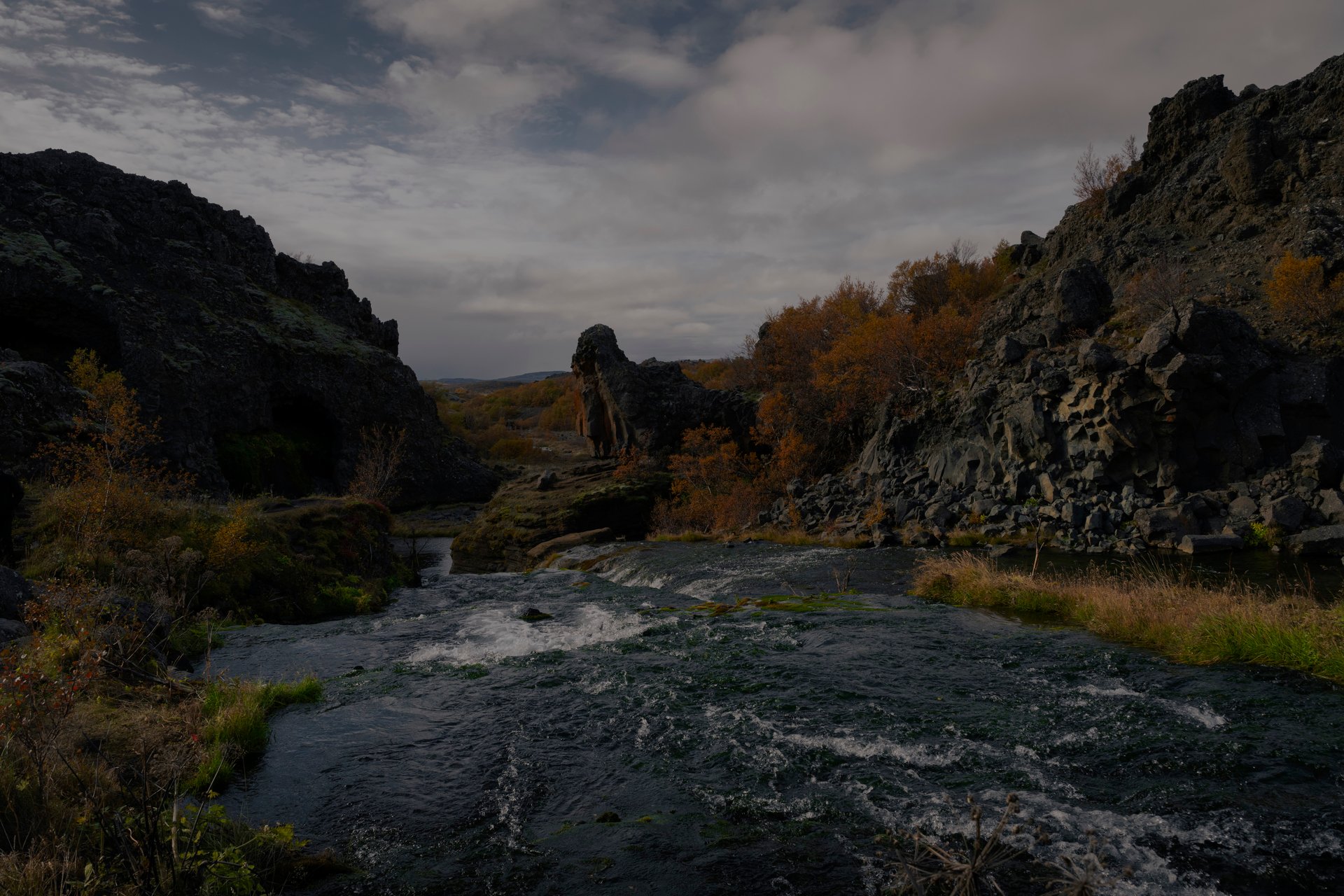
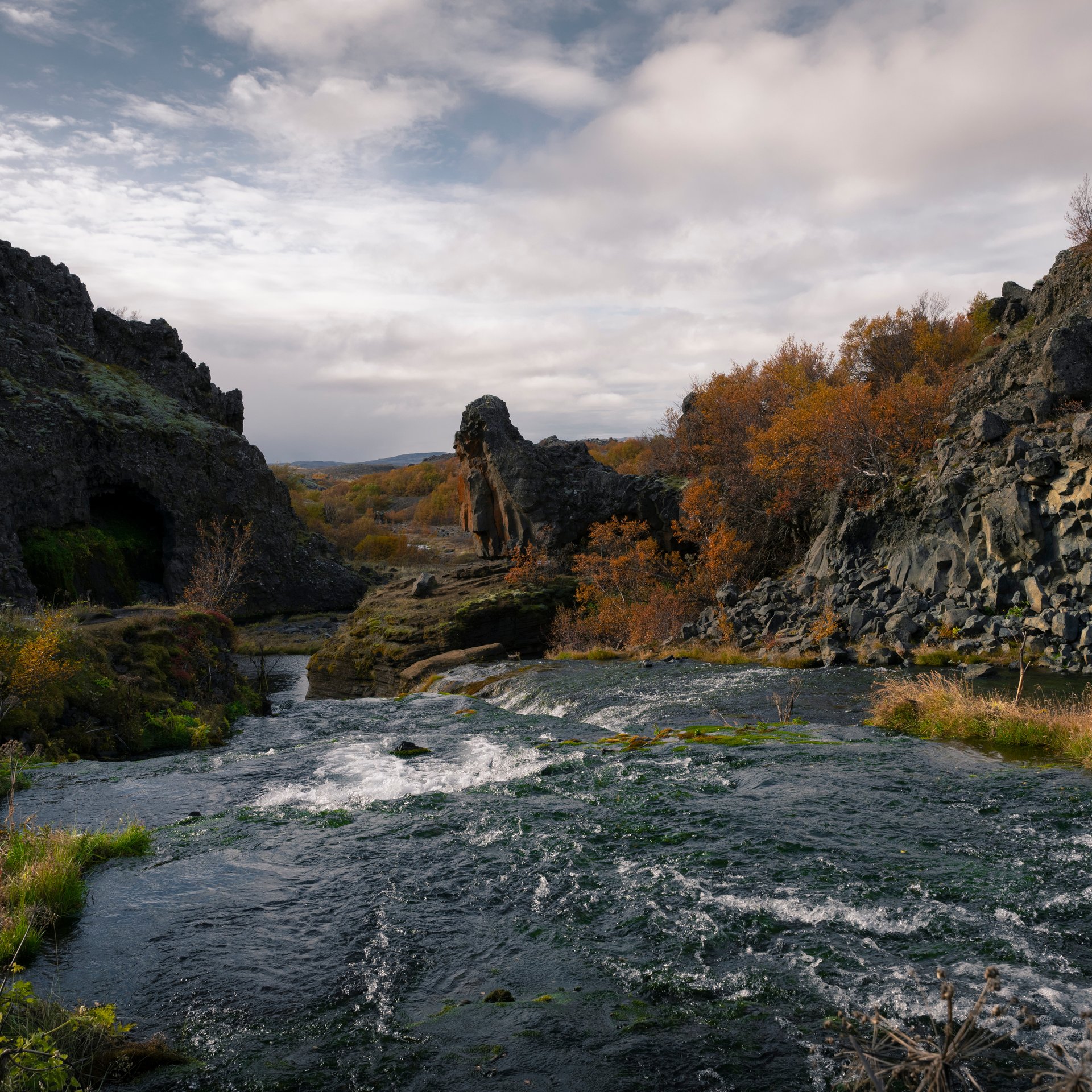
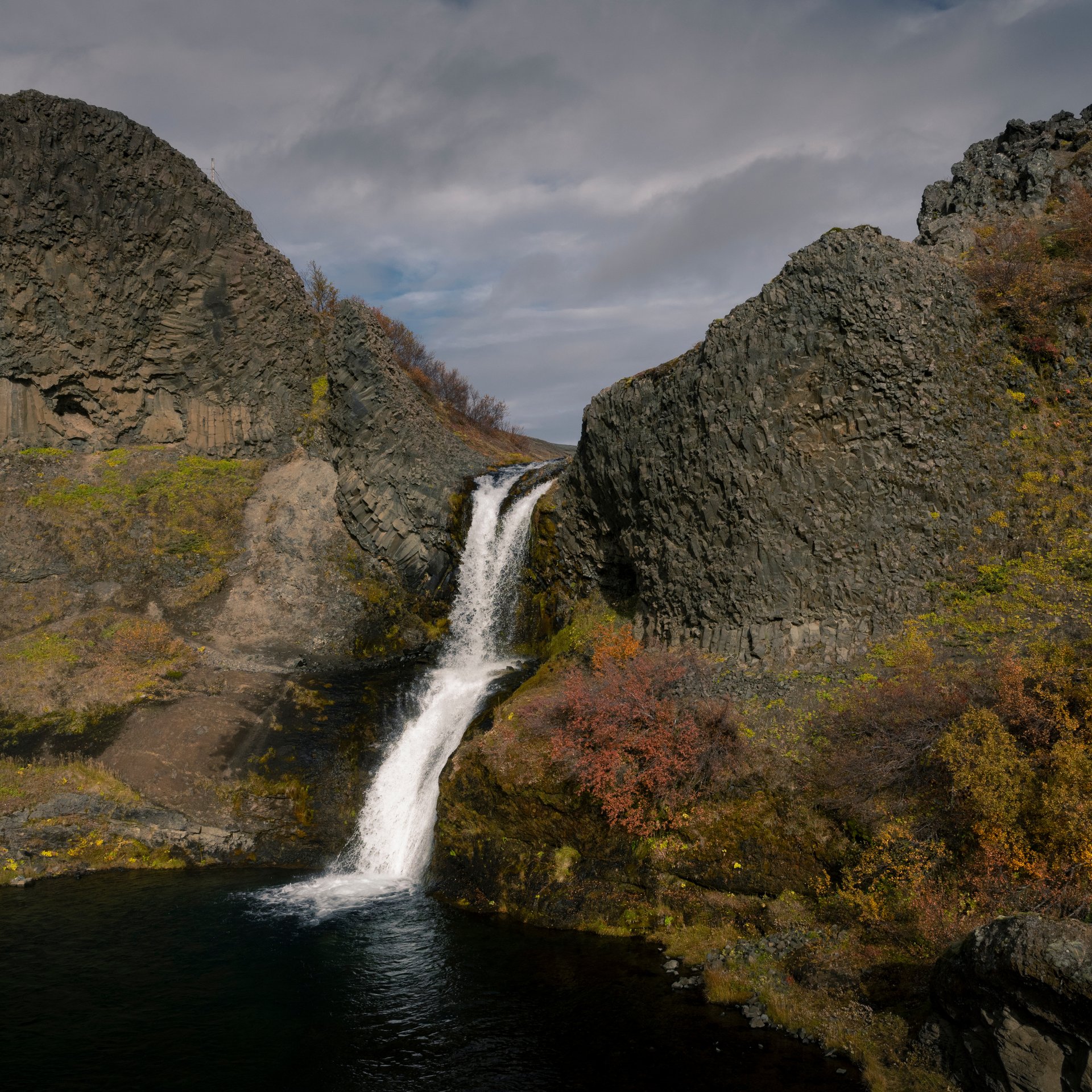
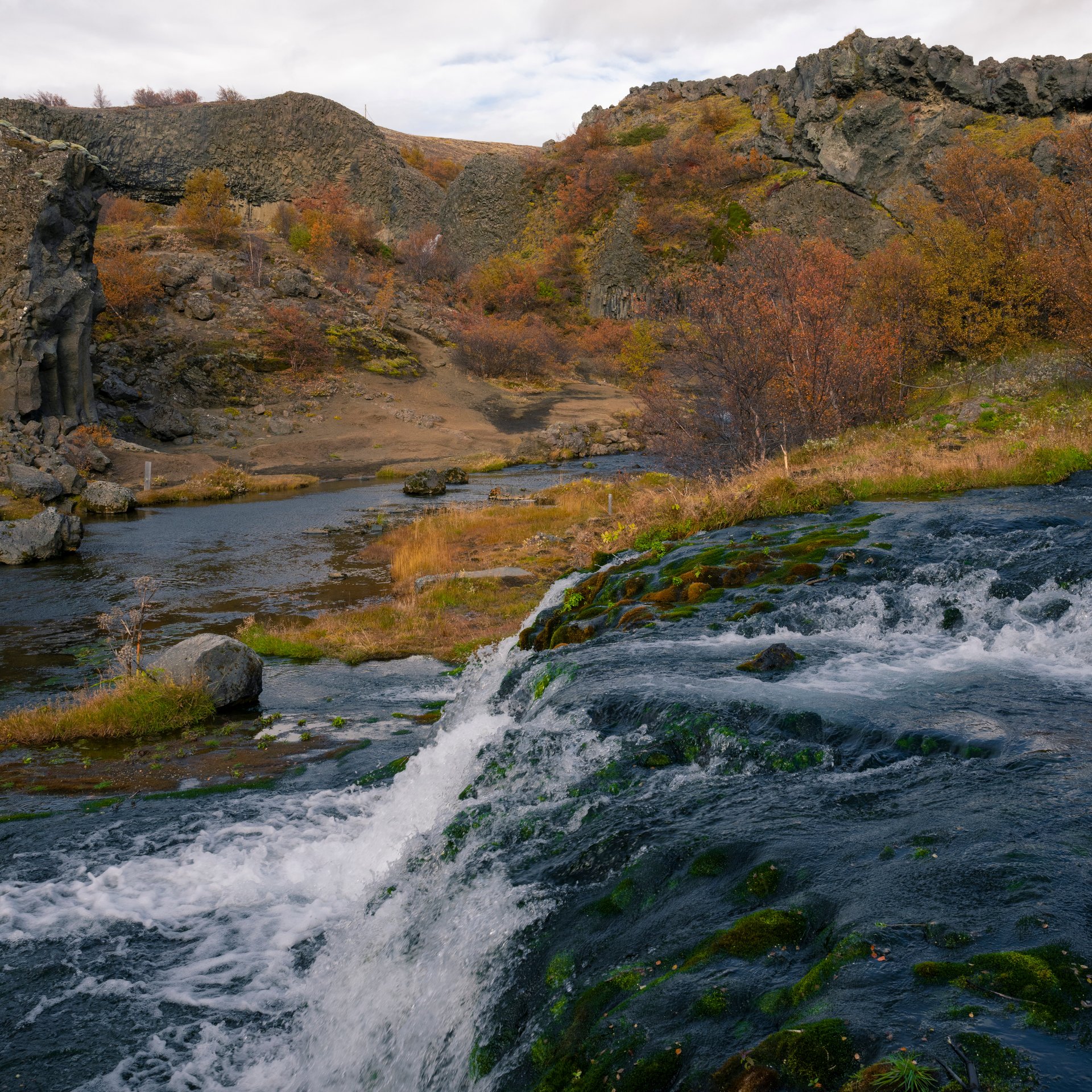
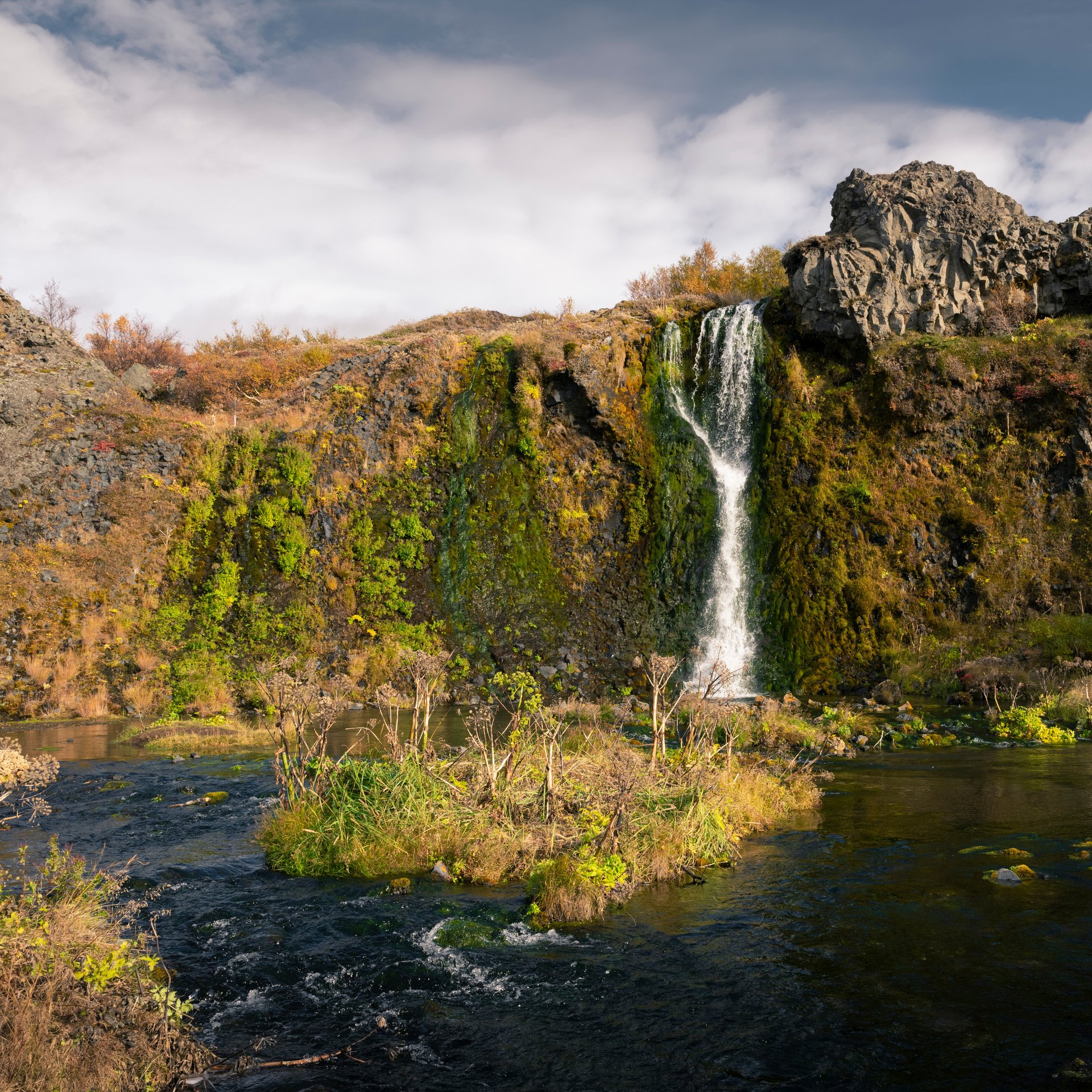
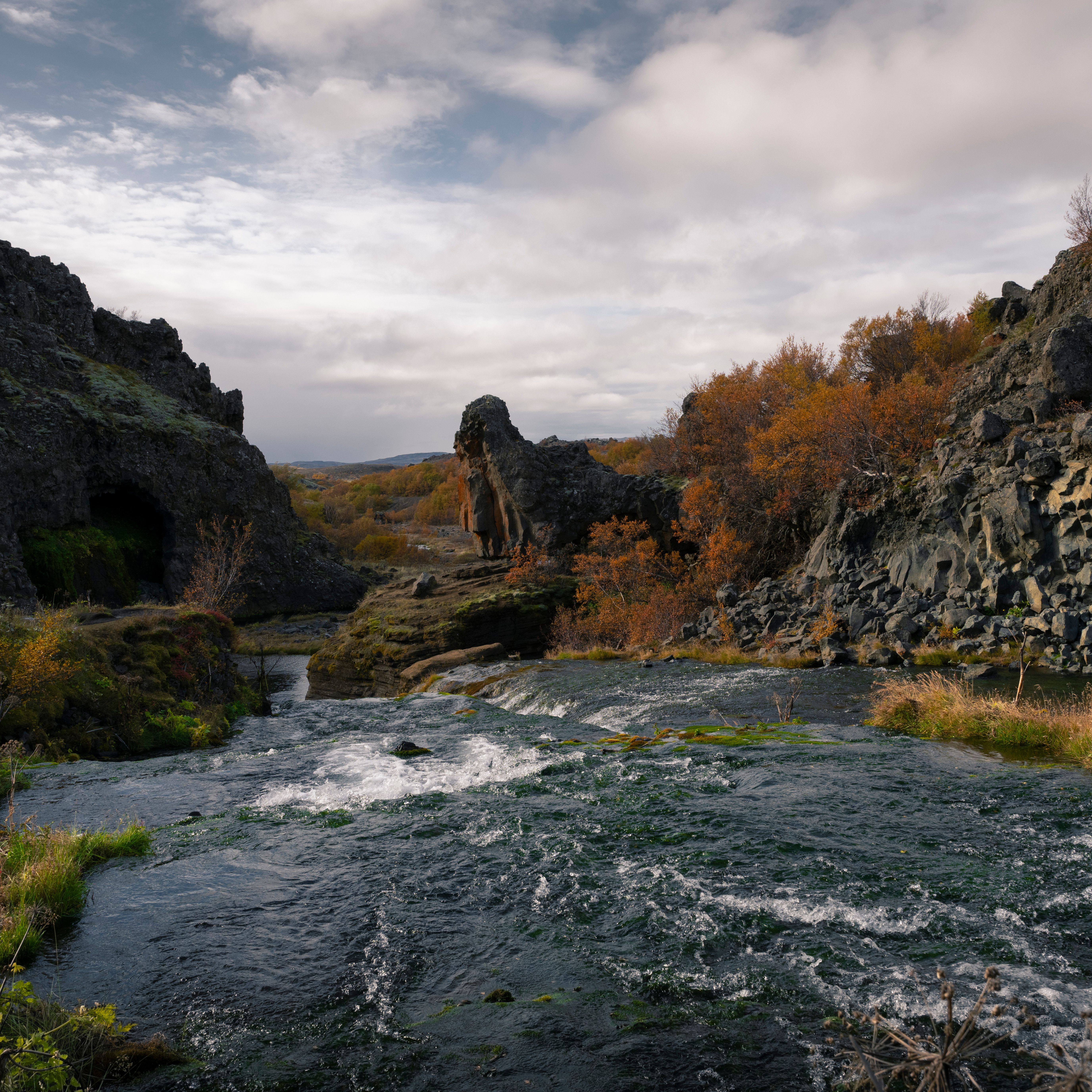
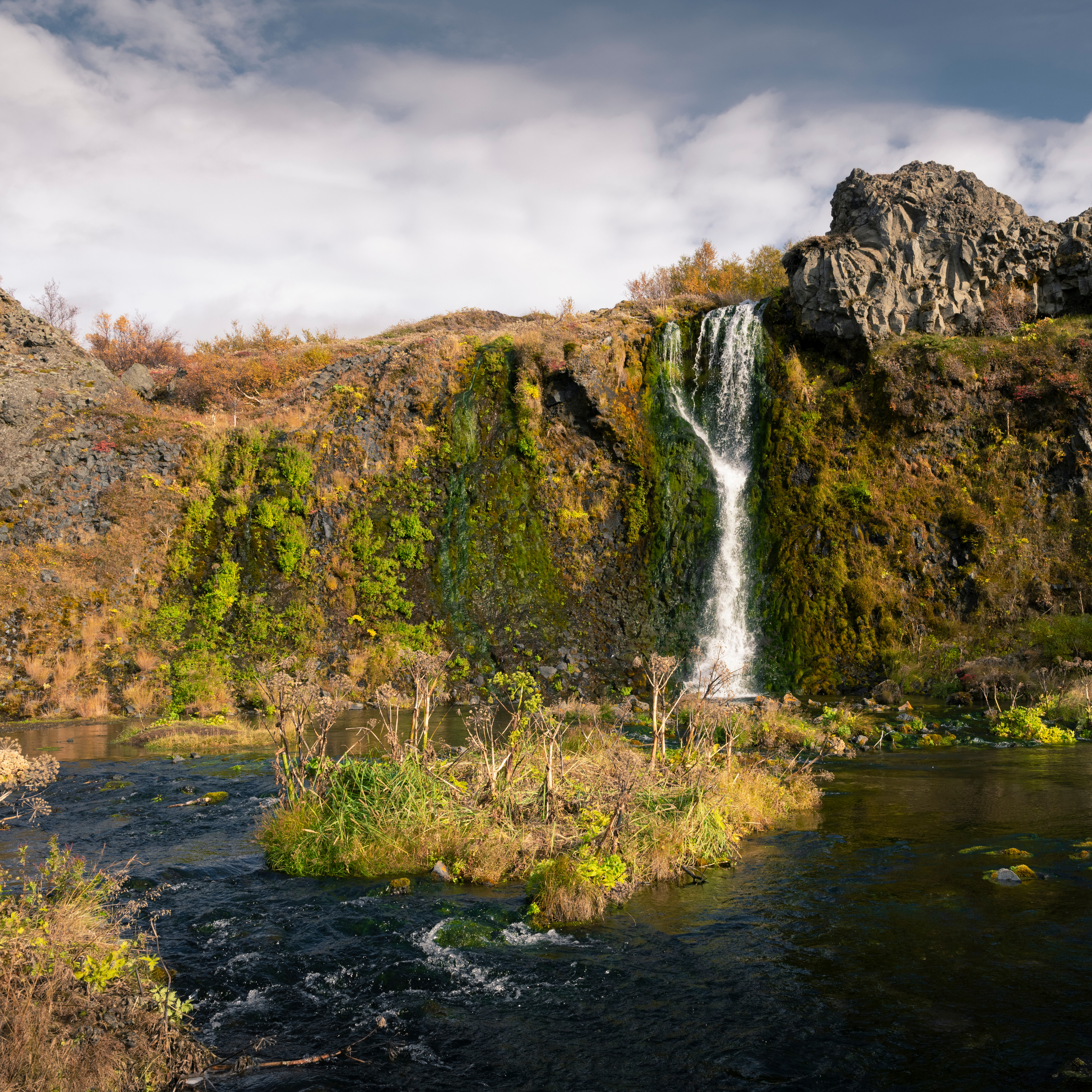
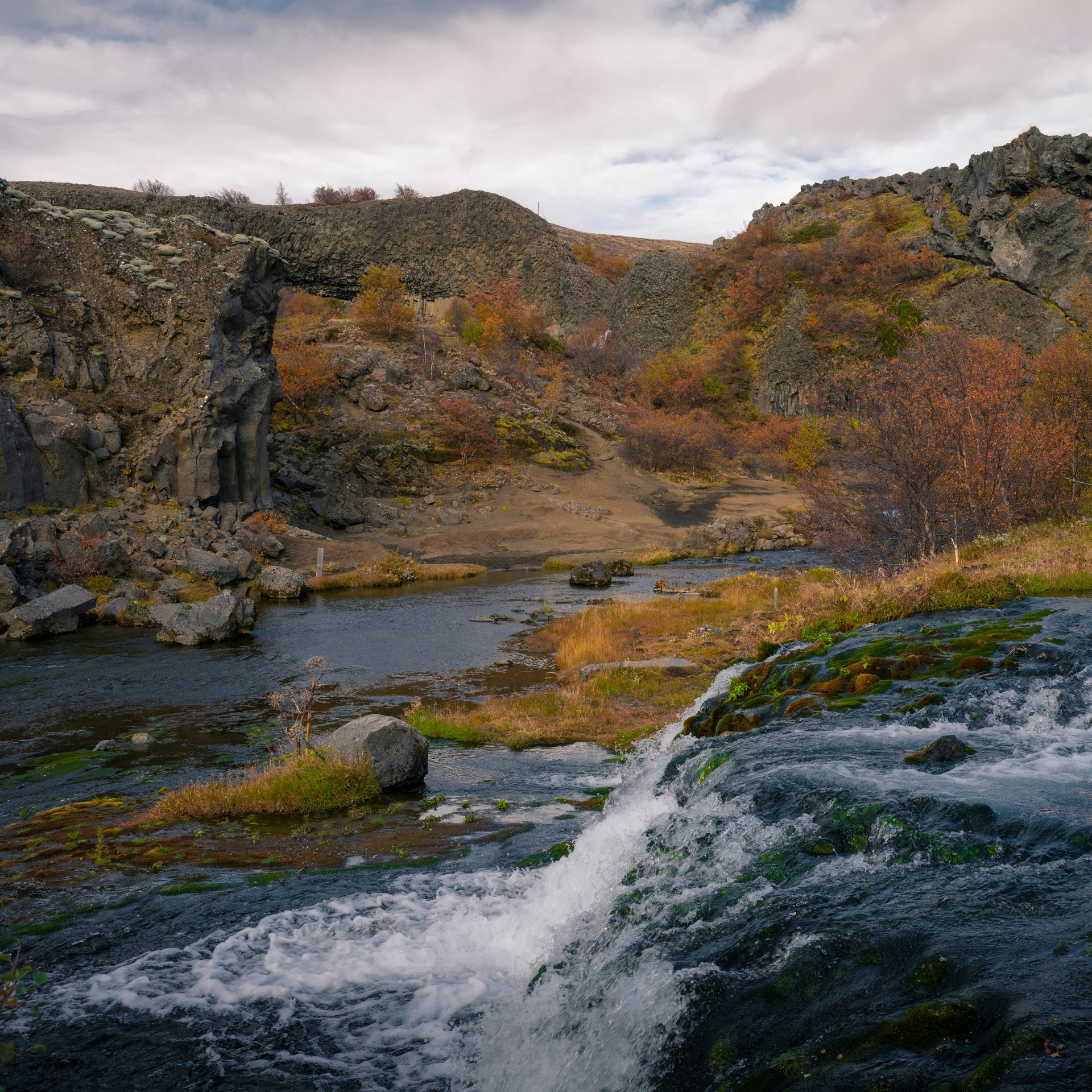
Between these historical sites, the valley hides Gjáin — a lush oasis of small waterfalls, springs, and green vegetation tucked inside a lava landscape. It feels like stepping into another world entirely. Your guide connects the Viking history to the land itself, explaining how these settlers chose their farmsteads and how one eruption could erase a community overnight.
Þjórsárdalur’s Spectacular Waterfalls
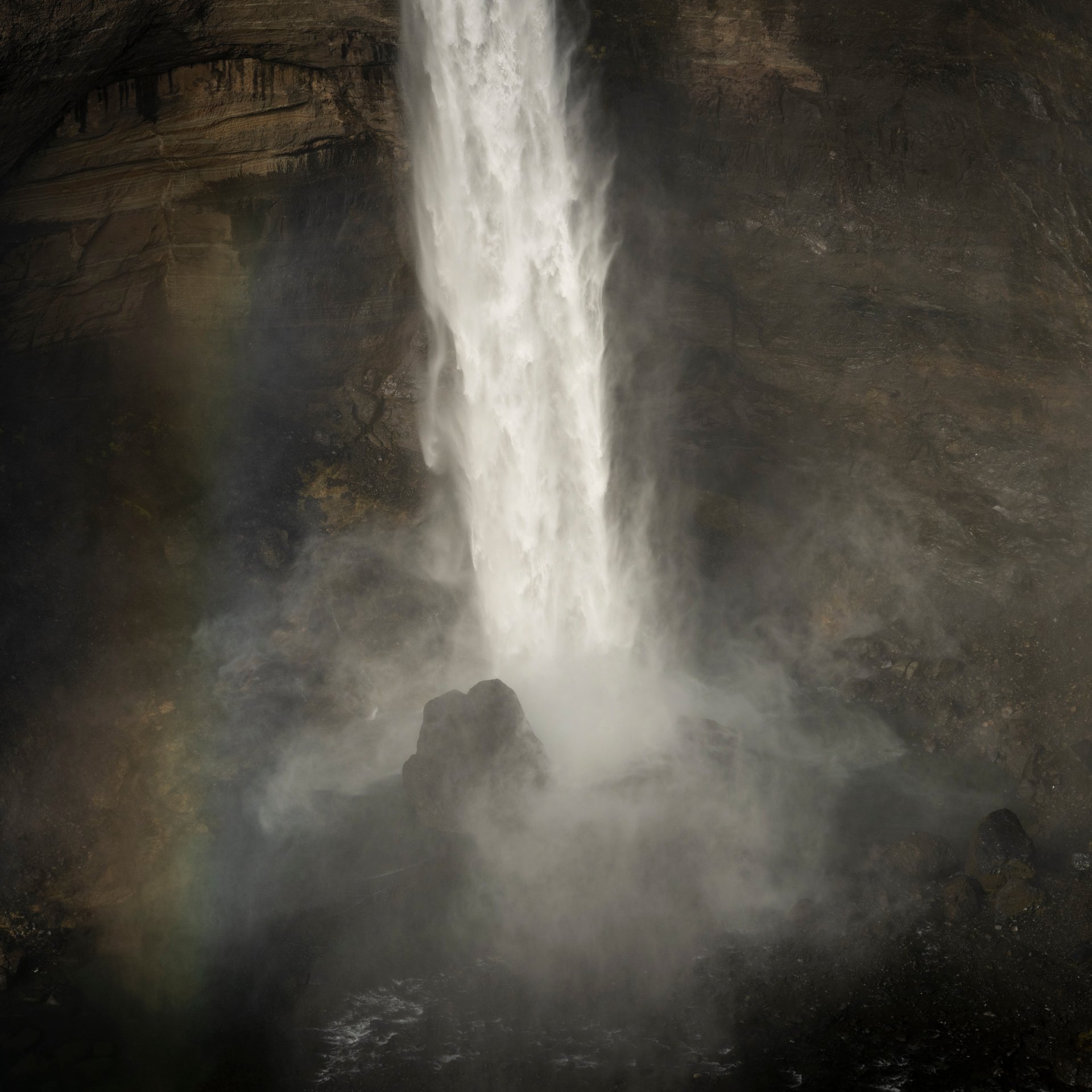
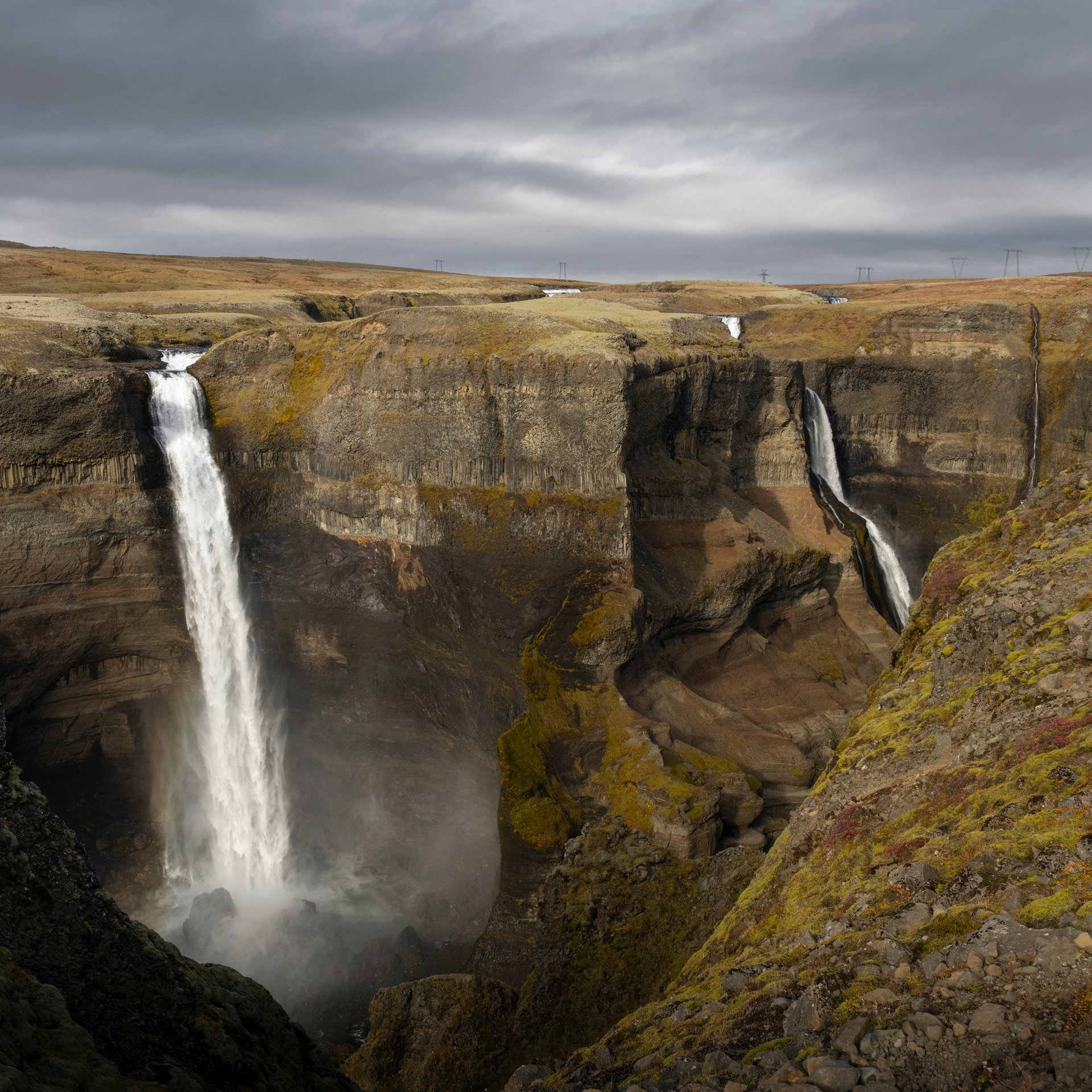
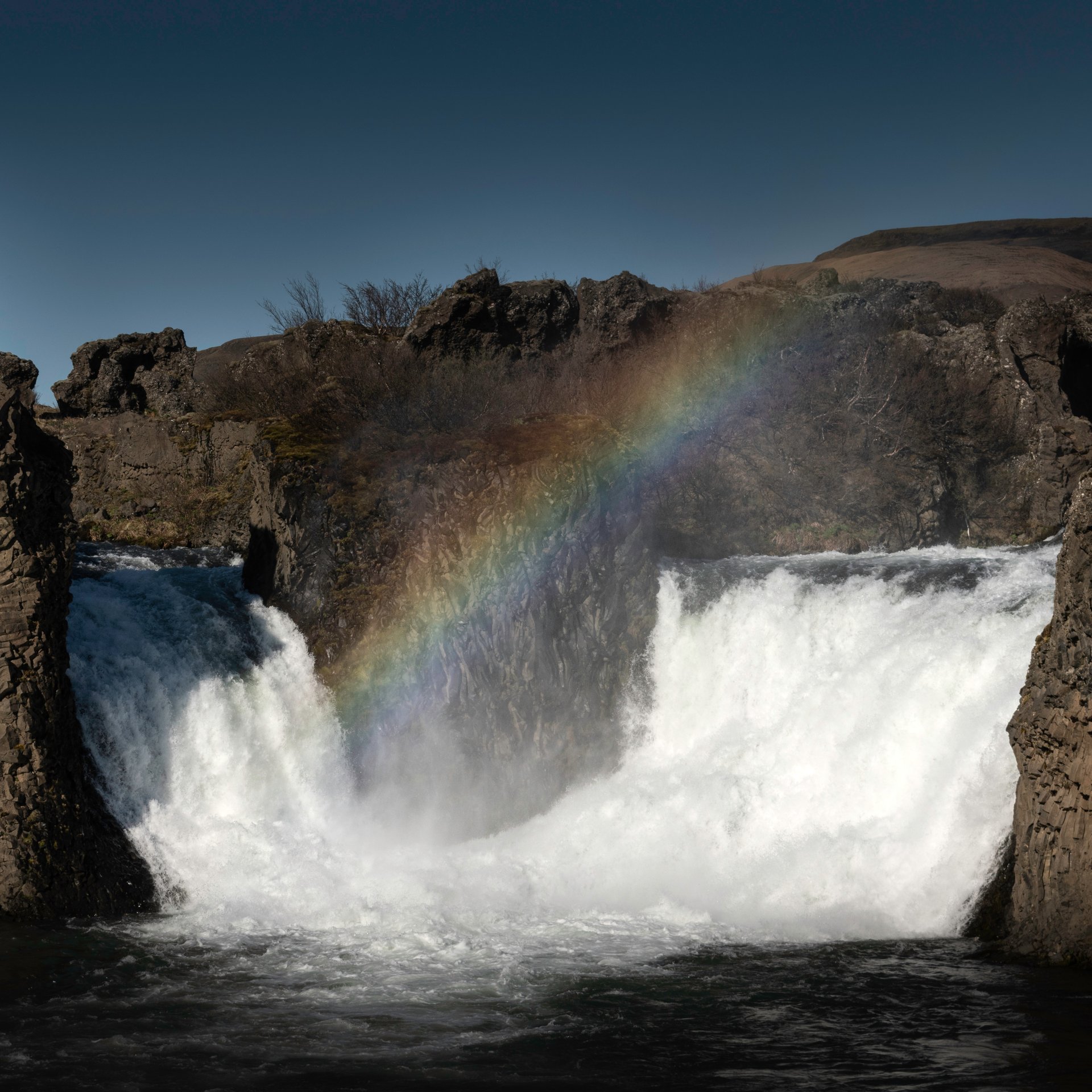
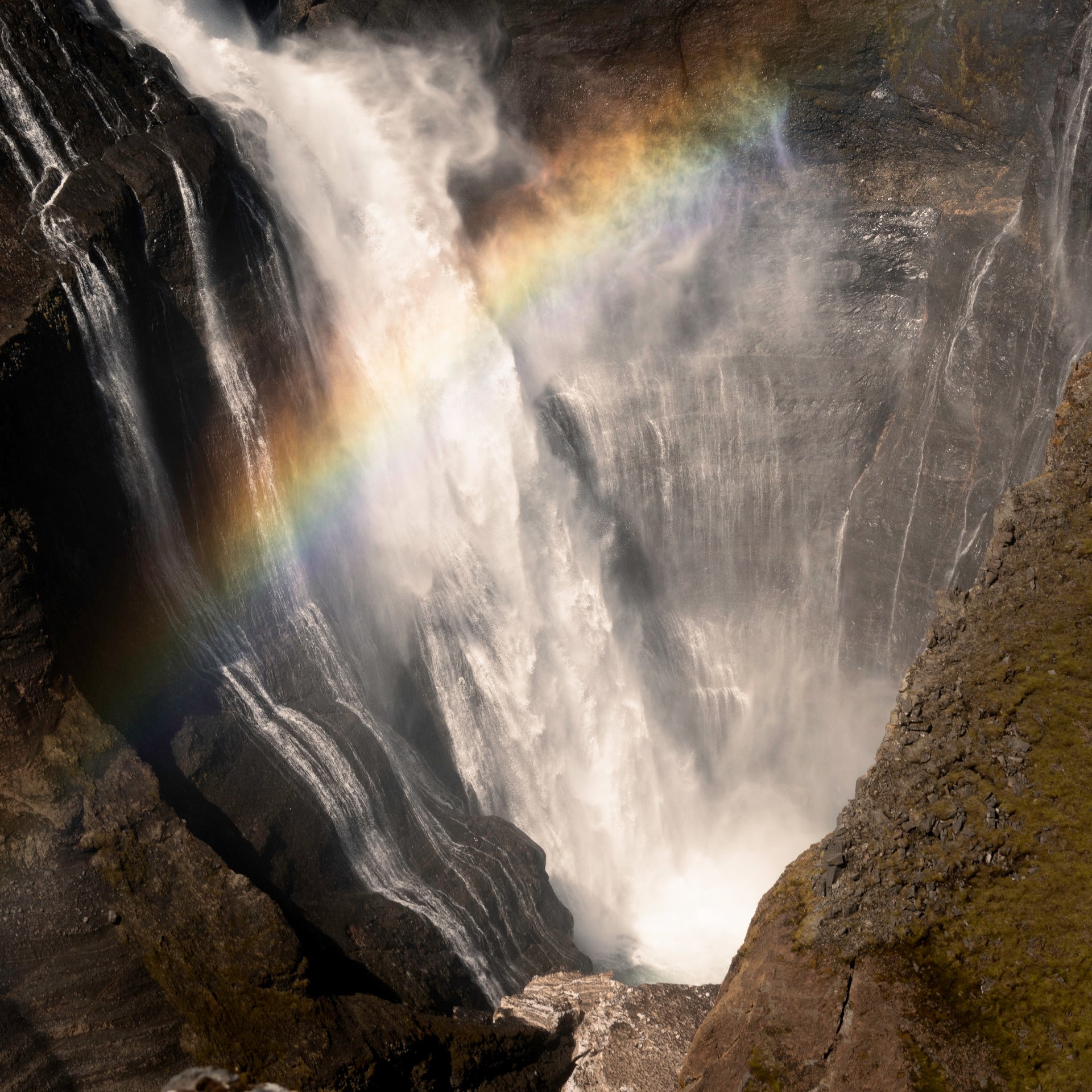
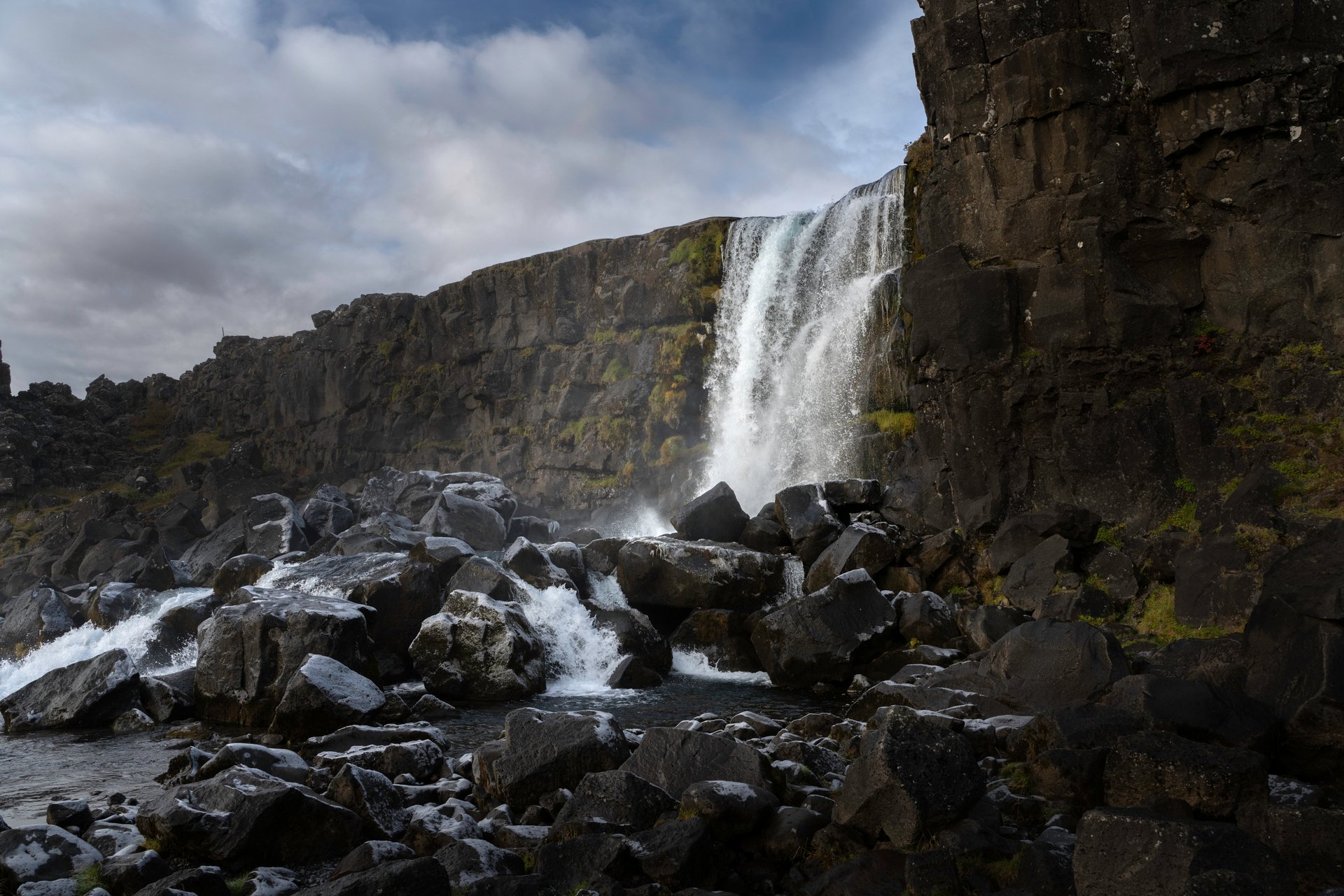
This valley is also home to some of Iceland’s most dramatic cascades. Hjálparfoss, where twin waterfalls pour through hexagonal basalt columns, opens the tour with an immediate visual impact. Further into the highlands, Háifoss drops 122 meters into a deep volcanic canyon — one of the tallest waterfalls in Iceland — with its neighbour Granni falling in parallel beside it.
The Þjórsárdalur valley sits far east of the Golden Circle route and remains far less visited, giving you the freedom to explore without crowds. For those wanting to go deeper into Iceland’s interior, our South Coast Highlands multiday tour extends the journey into the surrounding highland region.
Frequently Asked Questions About the Viking Heritage Tour
What happened to the Viking settlement at Stöng? The 1104 eruption of Hekla volcano buried Stöng under volcanic ash, freezing the settlement in time. Archaeologists discovered the preserved ruins in 1939, revealing how Vikings lived 900 years ago.
What is Þjóðveldisbærinn? Þjóðveldisbærinn is a full-scale reconstruction of the Stöng farmstead, built from archaeological evidence. You can walk through authentic turf-walled buildings and see traditional Icelandic crafts demonstrated.
How tall is Háifoss waterfall? Háifoss drops 122 meters into a volcanic canyon, making it one of Iceland’s tallest waterfalls. Its neighbor Granni falls in parallel beside it, creating a dramatic twin cascade.
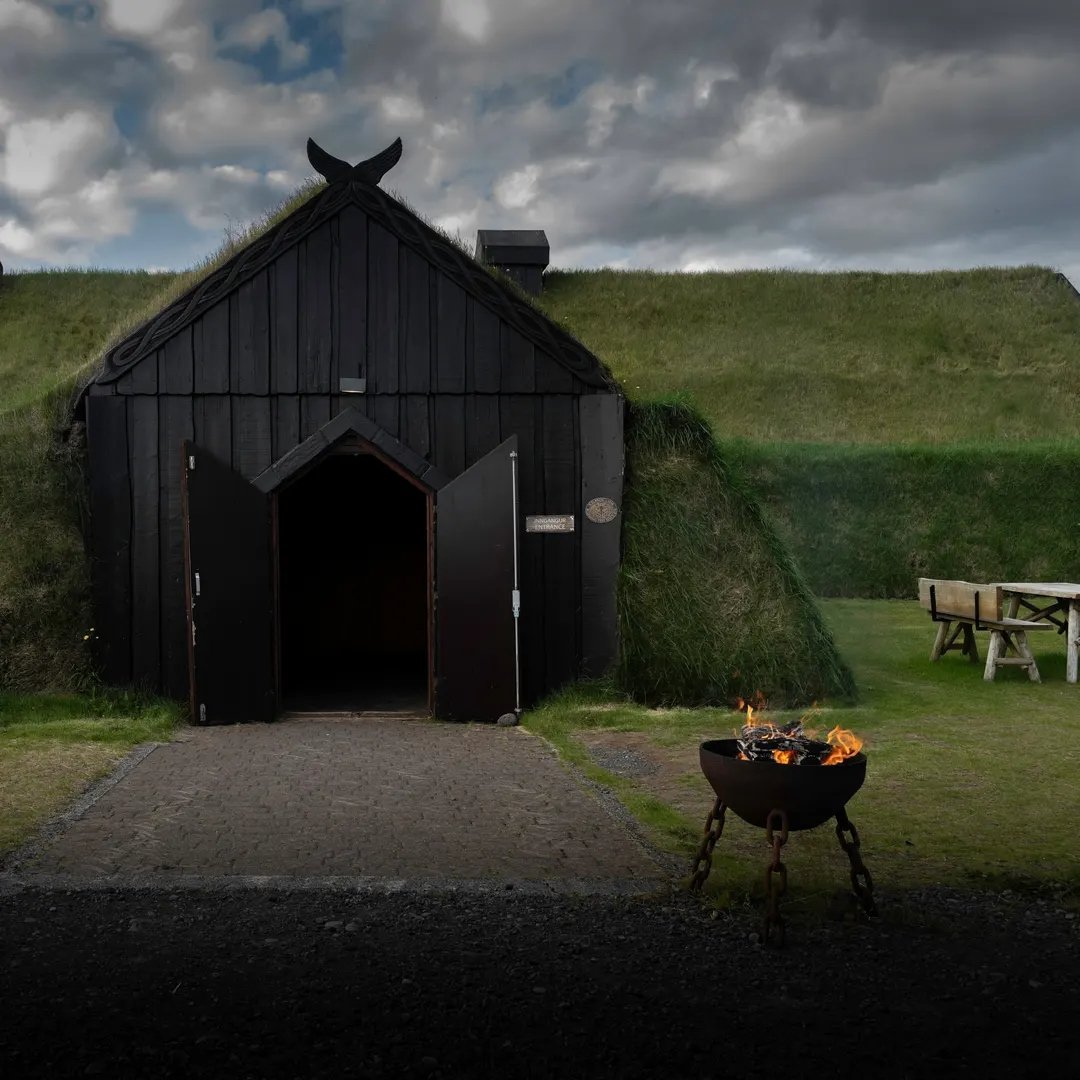
Can you eat at a Viking restaurant on this tour? Optionally, the tour can include dining at Ingólfsskáli, a Viking-themed restaurant serving traditional Icelandic cuisine in a longhouse atmosphere. Advance booking is recommended.
What You'll Visit
Begin at Hjálparfoss, where twin cascades flow side by side through hexagonal basalt column formations.
Visit Stöng archaeological site, where preserved Viking Age longhouse ruins provide insight into how Iceland's early settlers lived over 900 years ago. The 1104 Hekla volcanic eruption buried this community under volcanic ash, preserving the structures until their discovery in 1939.
The longhouse remains show the typical layout of a Viking farmstead, with distinct areas for living, sleeping, cooking, and housing livestock.
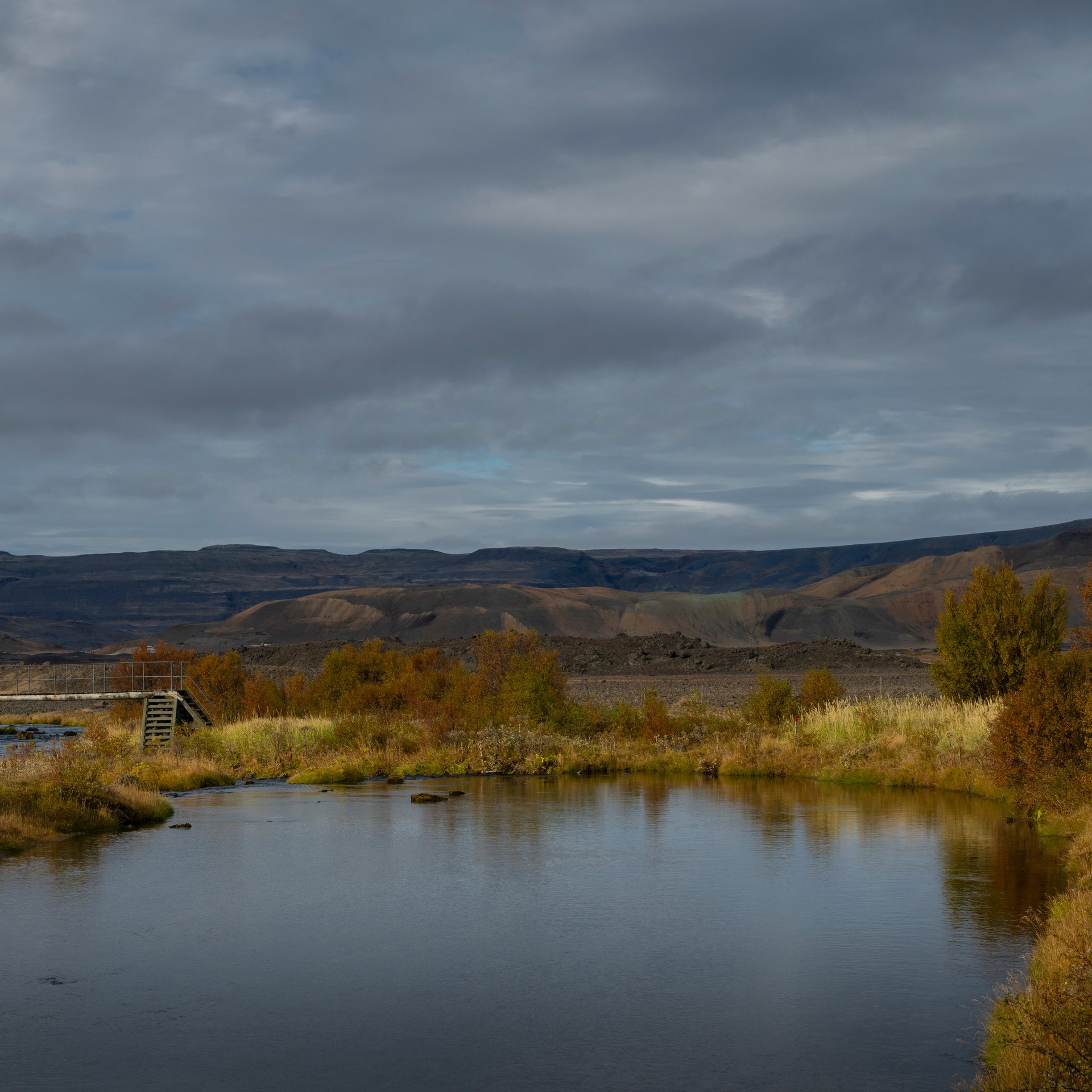
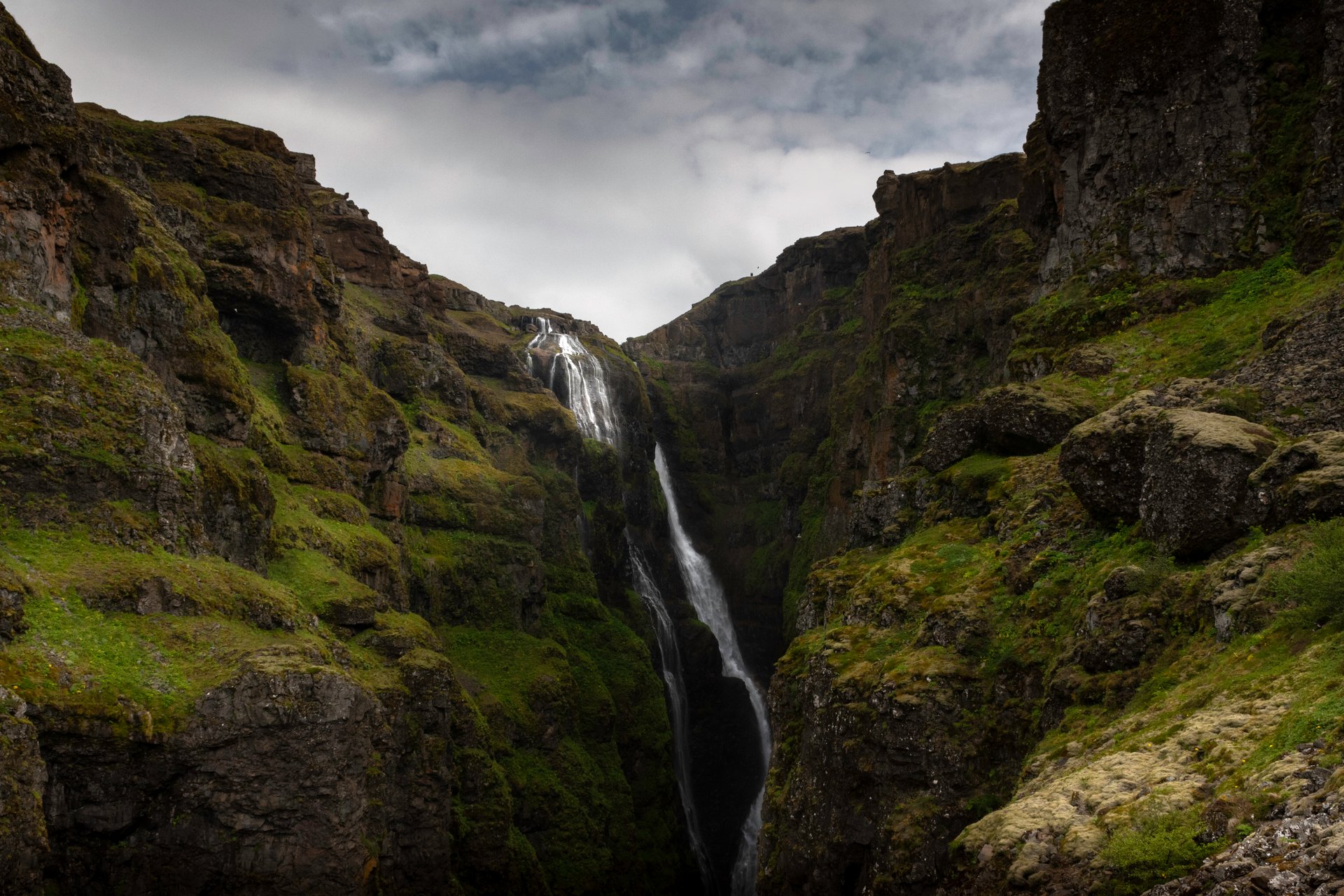
Walk through Gjáin, a hidden valley where multiple small waterfalls, springs, and green vegetation create a sheltered environment that contrasts with the surrounding volcanic terrain.
The path winds between cascading streams and miniature waterfalls, where springs emerge from surrounding lava fields.
View Háifoss waterfall, one of Iceland's tallest cascades at 122 meters. The viewpoint provides perspectives of the waterfall's full height and the surrounding highland landscape.
The name Háifoss translates to 'tall waterfall,' reflecting the practical naming conventions of Iceland's early inhabitants.
Visit Þjóðveldisbærinn, a reconstructed Viking Age settlement based on archaeological evidence from Stöng. The site includes authentic buildings with turf walls and timber frame construction, plus workshops where traditional Icelandic crafts are demonstrated using period techniques.
The longhouse reconstruction allows you to walk through the same layout discovered at Stöng, with areas for living, sleeping, and the central hearth that provided warmth and served as the social center.
Optionally conclude your journey with dining at Ingólfsskáli, a Viking-themed restaurant serving traditional Icelandic cuisine. The restaurant specializes in dishes prepared using traditional ingredients and cooking methods, including lamb, fish, and seasonal vegetables with herbs and techniques from Iceland's culinary heritage.
The interior evokes a Viking Age longhouse atmosphere with wooden beams and rustic furnishings. Menu options include slow-cooked lamb, traditional rye bread, and smoked fish that showcase Iceland's food traditions and the resourcefulness of early settlers.
Book Your Tour
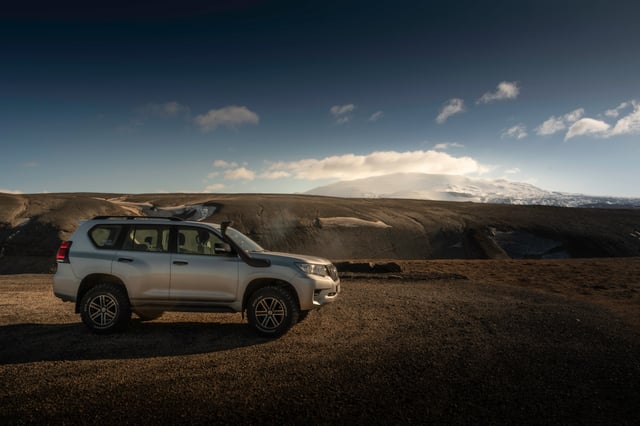
Toyota Land Cruiser
Rugged 4x4 vehicle for up to 4 passengers, perfect for Iceland's terrain.