Iceland’s reputation as a bucket-list destination is well earned — but designing an itinerary that actually works on the ground is where most trips either come together or quietly fall apart.
The country is small on paper — roughly the size of Kentucky — but the ring road alone is over 1,300 kilometers, distances between highlights are longer than they appear, and the weather adds a layer of unpredictability that no Google Maps estimate can account for.
I design custom Iceland itineraries for a living. Every week, I sit down with travelers who have a Pinterest board full of waterfalls, a rough idea of their dates, and no clear sense of how to connect it all into a trip that actually flows. The most common mistake I see is trying to do too much — and the second most common is not understanding how different Iceland looks depending on when you visit.
This guide walks you through every decision you need to make, in the order you need to make them. By the end, you will have a clear framework for building an Iceland itinerary that matches your interests, your pace, and the reality of how this country actually works on the ground.
How Many Days Do You Actually Need in Iceland?
This is the first question everyone asks, and the honest answer is: it depends entirely on what you want to see.
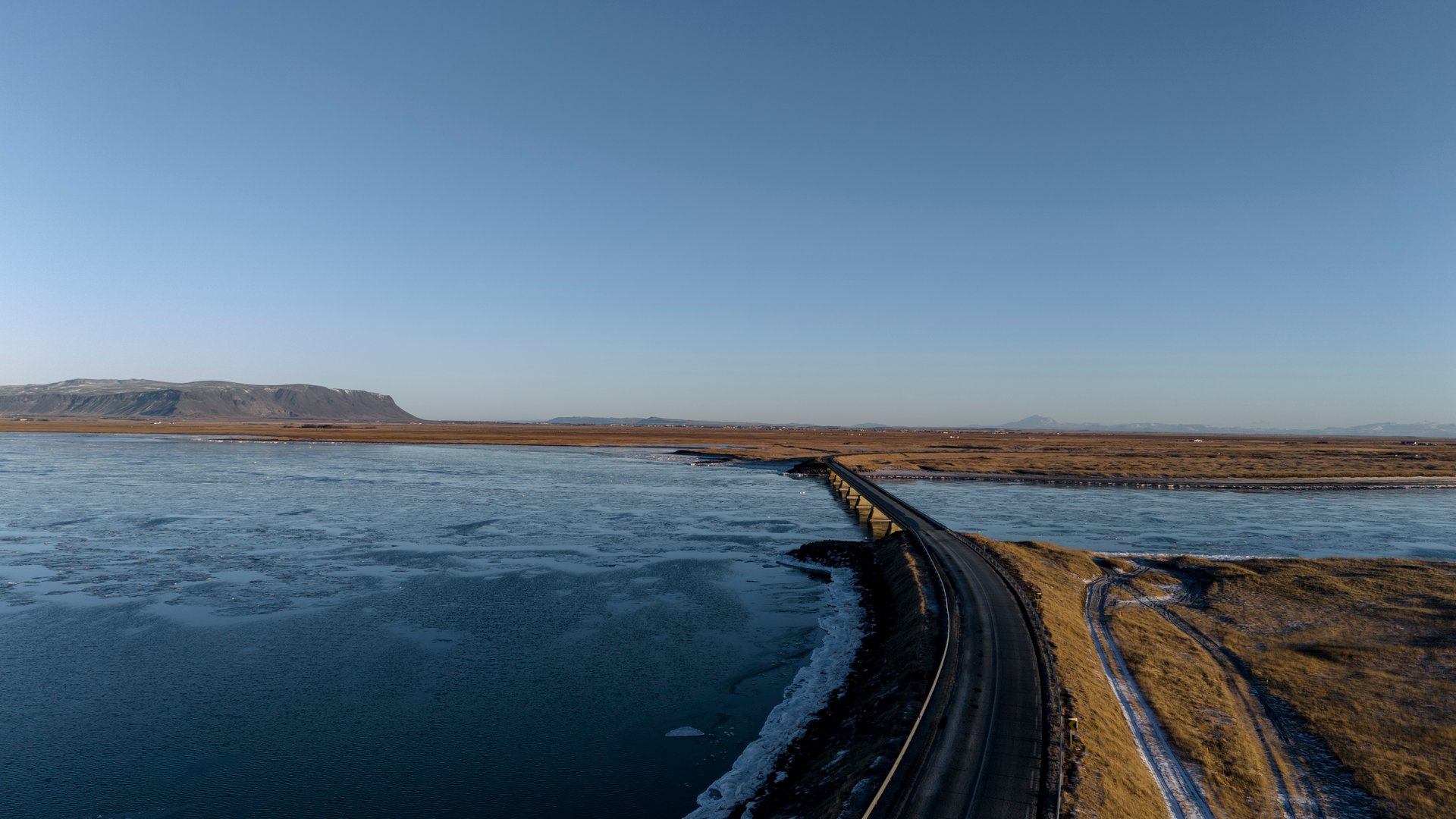
Here is a practical breakdown:
3–4 days — Enough for the Reykjavík area and one major day trip. You can cover the Golden Circle, the Reykjanes Peninsula, or a South Coast day tour, but you are choosing one, not all three. This works for a long weekend or as a stopover on a transatlantic route.
5–7 days — The sweet spot for most first-time visitors. With five to seven days, you can comfortably explore the Golden Circle, the South Coast as far as Jökulsárlón glacier lagoon, and still have time for a day in Reykjavík or a detour to the Snæfellsnes Peninsula. You are not rushing, but you are also not lingering. Most of the itineraries I design fall into this range. For inspiration, check out our five luxury 5-day itineraries.
8–10 days — This is where Iceland starts to open up. A full ring road circuit becomes realistic at this duration, covering the south, the east fjords, the north around Akureyri and Mývatn, and the Snæfellsnes Peninsula on the way back. You can include a Highland excursion in summer or spend extra time in areas that interest you most.
11+ days — For travelers who want depth, not just distance. Two weeks lets you include the Westfjords, spend multiple nights in the north, explore the Highlands properly, or simply slow down and experience each region without a packed schedule. Repeat visitors often fall into this category — they have done the ring road and now want to go deeper.
The mistake I see most often: people trying to fit a 10-day trip into 5 days. Iceland rewards those who slow down. A well-paced five-day itinerary will always be more satisfying than a seven-day sprint.
Choosing Your Season: When Should You Visit Iceland?
Season changes everything about your Iceland itinerary — not just the weather, but what is accessible, what you can do, and what the country looks and feels like.
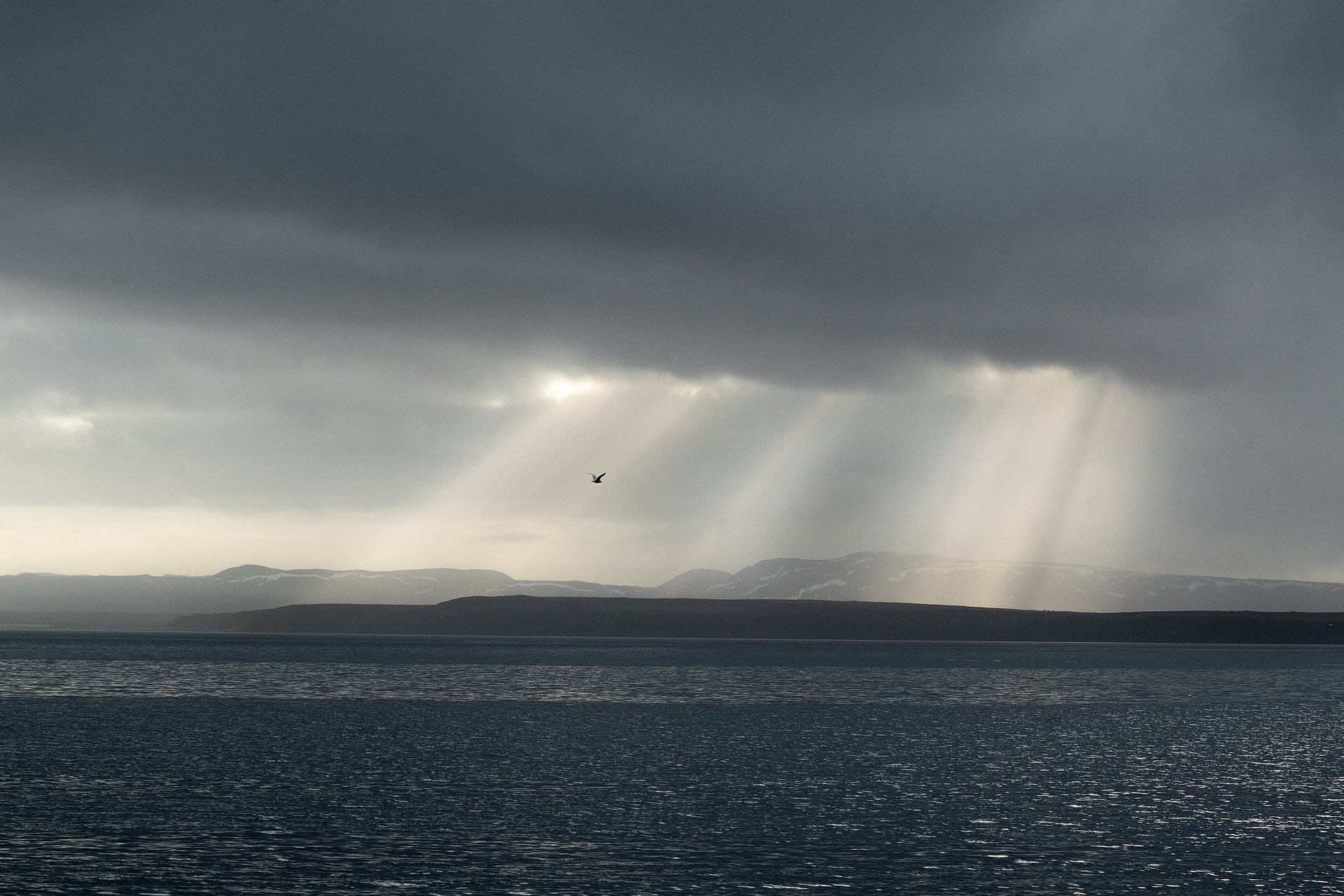
Summer (June–August)
The long days are the defining feature. In June and early July, Iceland experiences near-24-hour daylight, which means you can hike, explore, and photograph well into the evening. The Highlands open up (typically mid-June to September), making F-road expeditions possible. Puffins are nesting on the cliffs, whale watching is at its peak, and you have access to every corner of the country.
The trade-off: this is peak season. Popular sites like Geysir, Seljalandsfoss, and Jökulsárlón will be busy, especially between 10 AM and 4 PM. Accommodation books out months in advance, and prices reflect the demand.
Winter (November–March)
Winter Iceland is a completely different country. The daylight window shrinks to five or six hours in December, but those hours produce the kind of low-angle golden light that photographers dream about. The Northern Lights are the star attraction — and on a clear night, they deliver like nothing else on the planet. Ice caves inside glaciers are accessible from November through March, and there is a stillness to the landscape that summer never has.
The trade-off: the Highlands are closed, some roads in the north and east can be impassable, and weather can reshape your plans without notice. A winter itinerary needs to be more flexible by design.
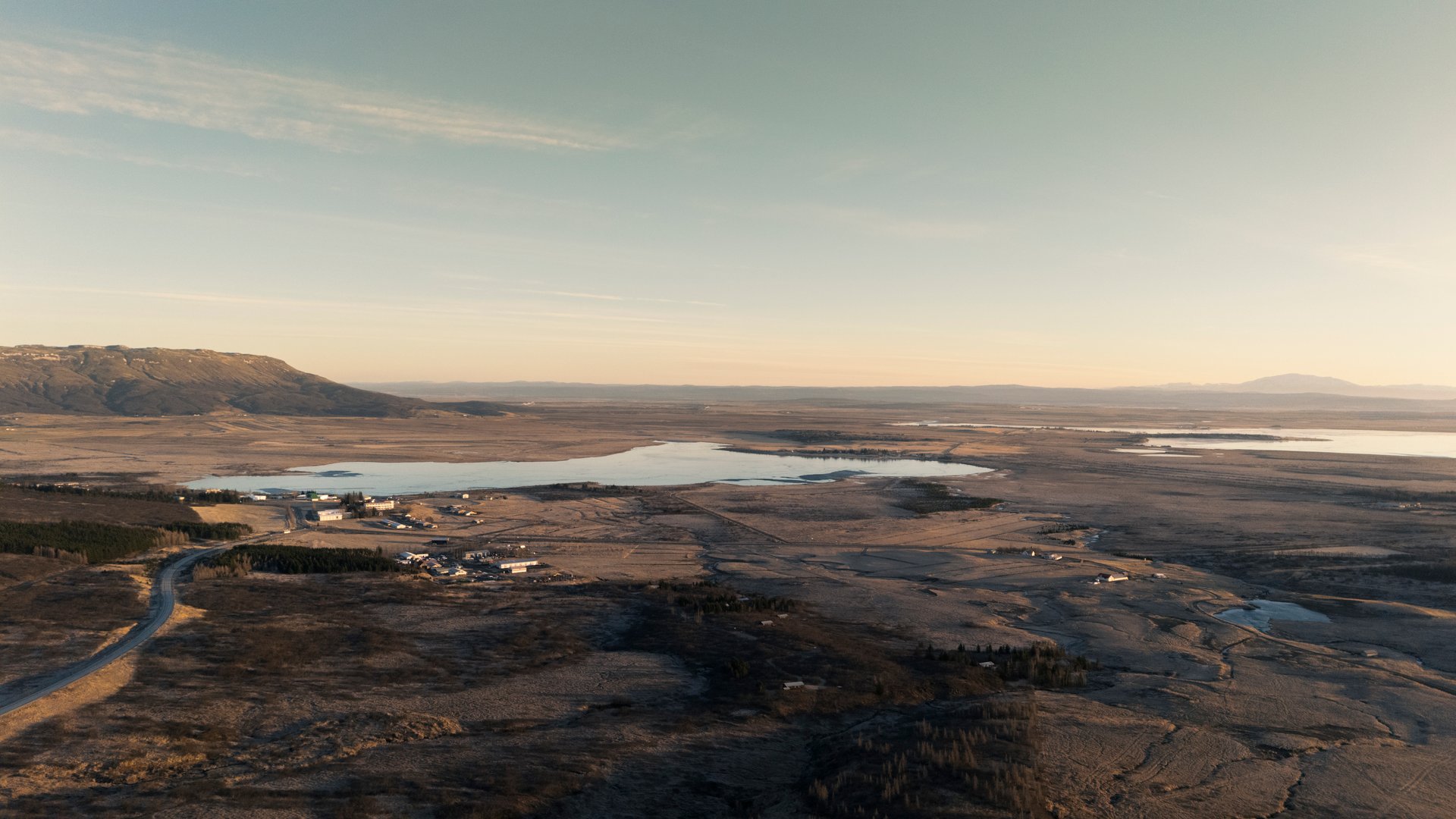
Shoulder Seasons (April–May and September–October)
These months offer the best of both worlds — if you are willing to accept some uncertainty. September and October bring autumn colors, fewer crowds, and the return of the Northern Lights, while still offering decent daylight hours. April and May see the country waking up — snow melting, migratory birds arriving — but some roads and trails may still be closed.
For a deeper comparison, I have put together a full winter vs summer guide that breaks down the practical trade-offs month by month.
Iceland’s Regions: Where Should Your Itinerary Go?
One of the most important decisions in planning your Iceland itinerary is choosing which regions to include. Trying to see everything in one trip is the fastest route to a mediocre experience. Here is what each region offers, so you can prioritize.
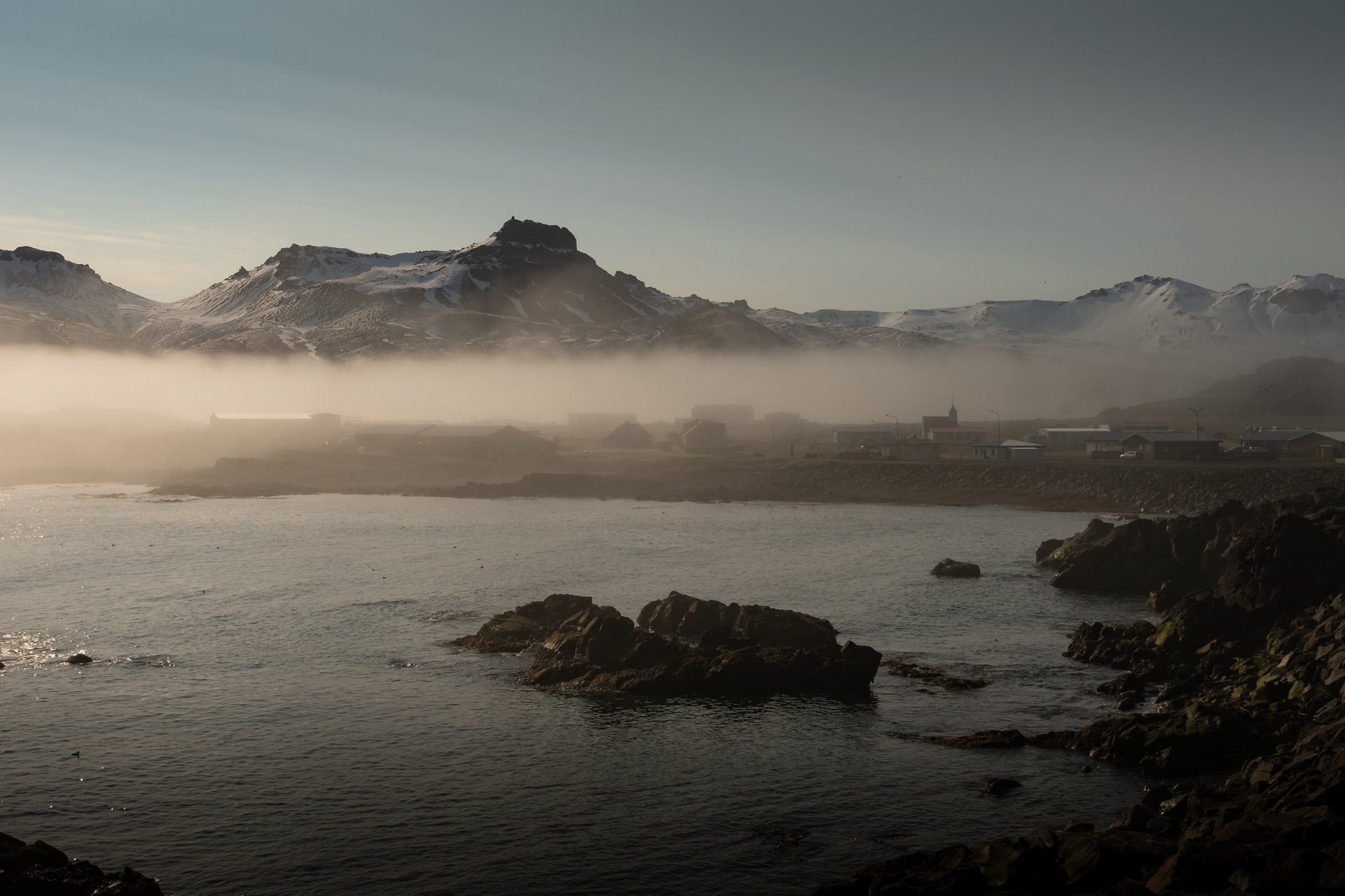
The Golden Circle and Southwest
The most visited area in Iceland for a reason. Þingvellir National Park (the tectonic rift), Geysir geothermal area, and Gullfoss waterfall form the classic triangle, all within a two-hour drive from Reykjavík. Add the Reykjanes Peninsula — with its recent volcanic landscapes and the Blue Lagoon — and you have a solid two to three days of content.
Our Golden Circle guide covers every stop in detail. For something less traveled in the same area, the Silver Circle is a route most visitors never hear about.
The South Coast
From Selfoss to Höfn, this stretch is arguably Iceland’s most concentrated corridor of natural spectacle. Waterfalls (Seljalandsfoss, Skógafoss), black sand beaches (Reynisfjara), glacier tongues, and the glacier lagoons at Jökulsárlón and Fellsfjara. Two to three days lets you explore this region at a comfortable pace. Rushing through it in a single day, as many bus tours do, means missing most of what makes it special.
The full South Coast guide maps it all out.
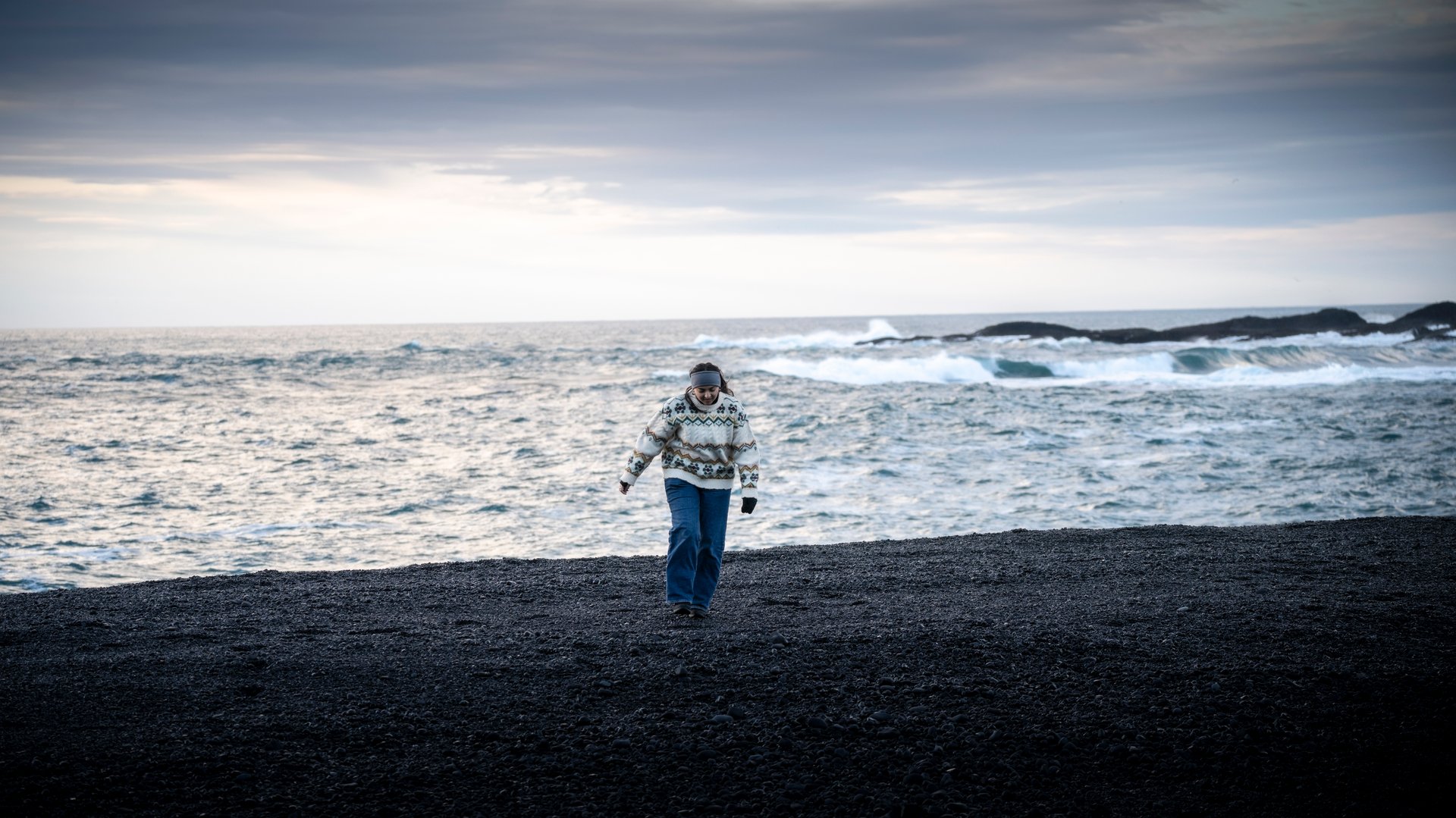
Snæfellsnes Peninsula
Often called “Iceland in miniature” because it packs glaciers, lava fields, volcanic craters, black churches, coastal cliffs, and fishing villages into a single peninsula. It is a full day trip from Reykjavík, or better as an overnight to give it the time it deserves. A strong addition for five-day-plus itineraries.
Everything you need is in the Snæfellsnes guide.
North Iceland
Akureyri is the gateway to the north, and the area around Lake Mývatn — with its volcanic craters, lava formations, and geothermal baths — is one of the most geologically fascinating places in the country. Húsavík is Europe’s whale watching capital. The north requires a ring road itinerary or a domestic flight; it is too far for a Reykjavík day trip.
The East Fjords
The east is Iceland’s quiet corner. Narrow fjords, tiny fishing villages, wild reindeer, and a pace that feels like the rest of the country did twenty years ago. It is the stretch most ring road travelers rush through — and the one that repeat visitors come back for.
The Highlands
Iceland’s interior is a roadless volcanic wilderness accessible only in summer via F-roads that require serious 4x4 vehicles. Landmannalaugar, Þórsmörk, and the Kjölur route are the highlights. This is Iceland at its most raw and most rewarding — but it requires planning, the right vehicle, and ideally a guide who knows the terrain.
Our Highlands guide explains why this region is best experienced with someone who drives these routes regularly.
Balancing Must-Sees With Hidden Gems
Here is something I tell every client: the “must-see” list is real, but it is not the whole story.
Yes, you should see the Golden Circle if it is your first time. Yes, Jökulsárlón glacier lagoon is as impressive as the photos suggest. These landmarks earned their reputation for a reason.
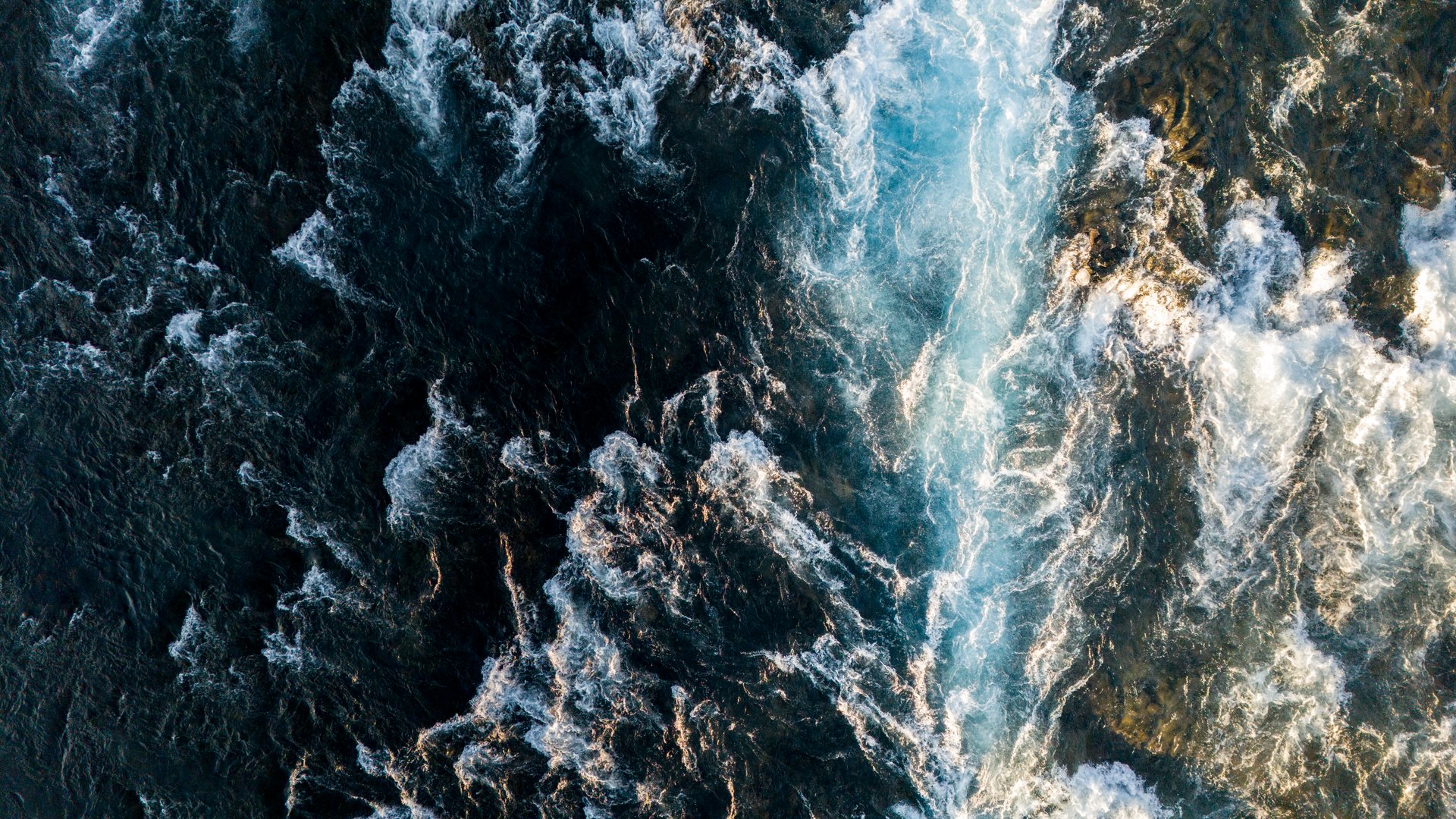
But the moments that stay with you — the ones people talk about years later — are almost never the famous stops. They are the unmarked hot spring that required a short hike. The coastal viewpoint with no parking lot and no other cars. The small-batch ice cream shop in a converted barn that a local told you about.
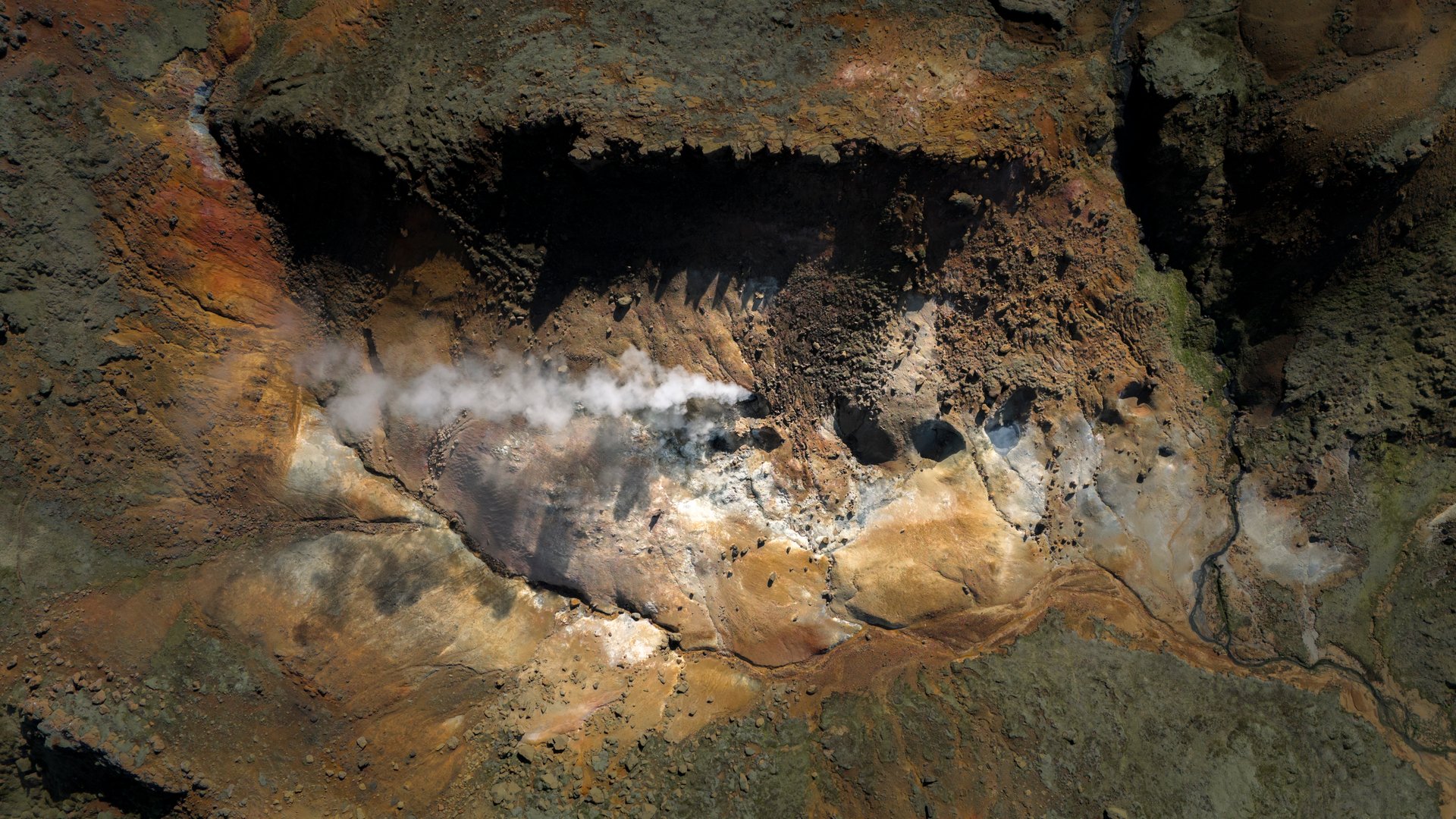
The best itineraries layer both: the landmarks that anchor each day, and the in-between discoveries that make the trip yours. A local guide knows where those in-between moments happen because they drive these routes every week and they notice what makes their clients’ eyes light up.
Accommodation Strategy: Where to Stay and When to Book
Accommodation in Iceland works differently than most destinations, and understanding this early will save you frustration.
In Reykjavík, options range from hostels to five-star boutique properties. The city is compact and walkable, so location matters less than quality. For the first and last night of your trip, Reykjavík is the natural anchor. If you need recommendations, our 5 best hotels in Reykjavík guide is a good starting point.
Outside Reykjavík, the accommodation landscape thins out quickly. In popular areas like the South Coast and Golden Circle, a handful of quality hotels fill up months in advance during summer. In the north and east, options are fewer still. This is not a destination where you can wing it with last-minute bookings in peak season. We have compiled our top 10 favourite hotels outside Reykjavík for multiday tours.
Booking timeline: For summer travel (June–August), I recommend booking accommodation at least four to six months in advance. Premium properties — the kind with character, views, and quality dining — book out even earlier. Winter is more forgiving, but the best places still go quickly around the Northern Lights and holiday periods.
A practical tip: Your itinerary should drive your accommodation choices, not the other way around. I have seen travelers lock in hotels first and then try to build a route around them, which leads to backtracking, rushed stops, and missed opportunities.
Common Itinerary Mistakes to Avoid
After four years of designing Iceland itineraries professionally, the same mistakes come up again and again:
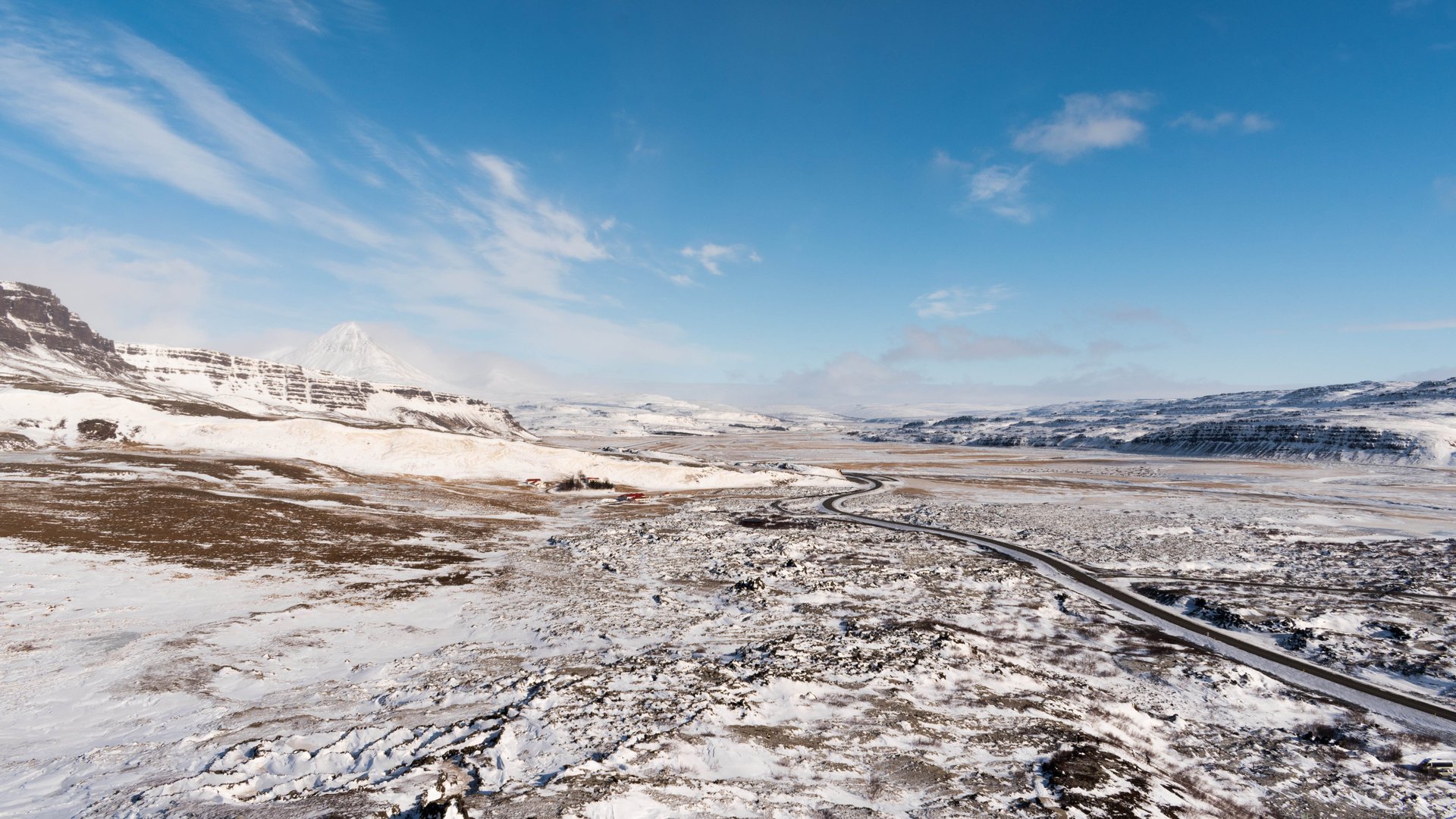
Underestimating driving times. The ring road is 1,300 kilometers — but that is on paper. Factor in photo stops, weather delays, single-lane bridges, and the fact that you will want to pull over every twenty minutes because the landscape keeps changing. If you are considering driving in Iceland yourself, make sure you understand the realities of the road — including the new kilometric tax introduced in 2026.
Overloading each day. Seven stops in ten hours sounds productive. In reality, it means seeing everything and experiencing nothing. I design itineraries around three to four key highlights per day, with built-in flexibility for weather or spontaneous discoveries.
Ignoring weather flexibility. Iceland weather is not background noise — it is a character in your trip. The best itineraries have a Plan B for each day. If the South Coast is socked in with rain, maybe that is the day for a geothermal spa or a rainy day in Reykjavík.
Skipping Reykjavík entirely. Many travelers treat the capital as a layover. That is a mistake. Reykjavík has excellent restaurants, a lively culture scene, and genuine charm. Give it at least one full day — preferably at the end of your trip, when you can appreciate it without the urge to get on the road. Some of the best hikes near Reykjavík are also worth adding to your schedule.
Booking activities without local context. That glacier hike you booked online might be an excellent experience or a crowded assembly line, depending on the operator and the date. The ice cave that looked magical on Instagram might be closed due to conditions. Local, current knowledge matters.
Sample Itineraries: What Works in Practice
To give you a sense of what these decisions look like when they come together, here are three frameworks that work well for different trip lengths.
The 5-Day Classic
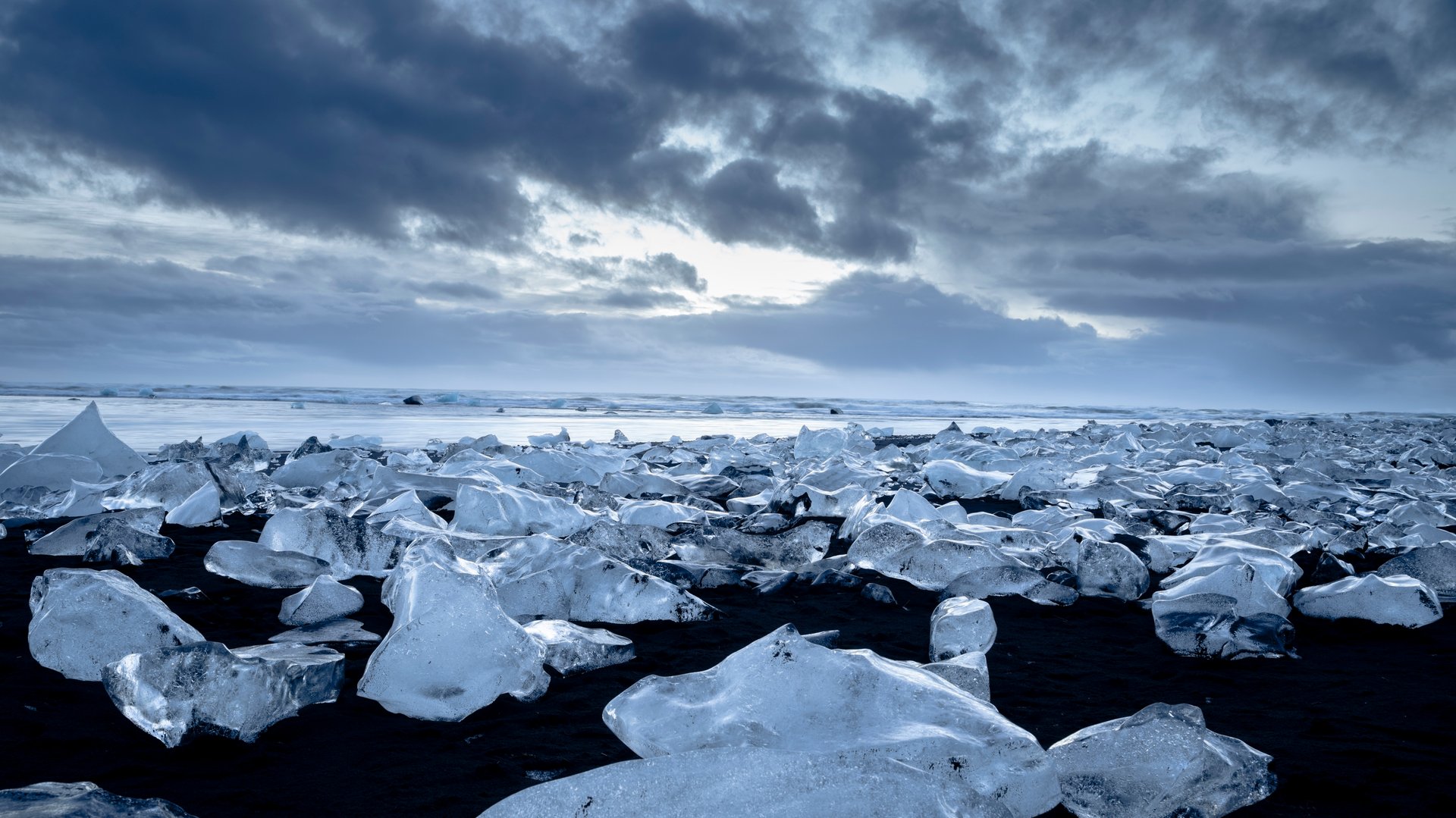
Day 1: Arrive, settle into Reykjavík, optional evening city walk Day 2: Golden Circle — Þingvellir, Geysir, Gullfoss, Secret Lagoon Day 3: South Coast — Seljalandsfoss, Skógafoss, Reynisfjara, Vík Day 4: Glacier lagoon day — Jökulsárlón, Fellsfjara (Diamond Beach), glacier hike Day 5: Reykjanes Peninsula or Reykjavík exploration, departure
This covers the greatest hits without rushing. Each day has a clear theme and a manageable distance.
The 7-Day Explorer
Same core as above, plus: Day 5: Snæfellsnes Peninsula (full day) Day 6: Reykjanes Peninsula — volcanic landscapes, Blue Lagoon area Day 7: Reykjavík free day and departure
Two extra days add an entire new region and a day to breathe. This is the itinerary I recommend most often to first-time visitors.
The 10-Day Ring Road
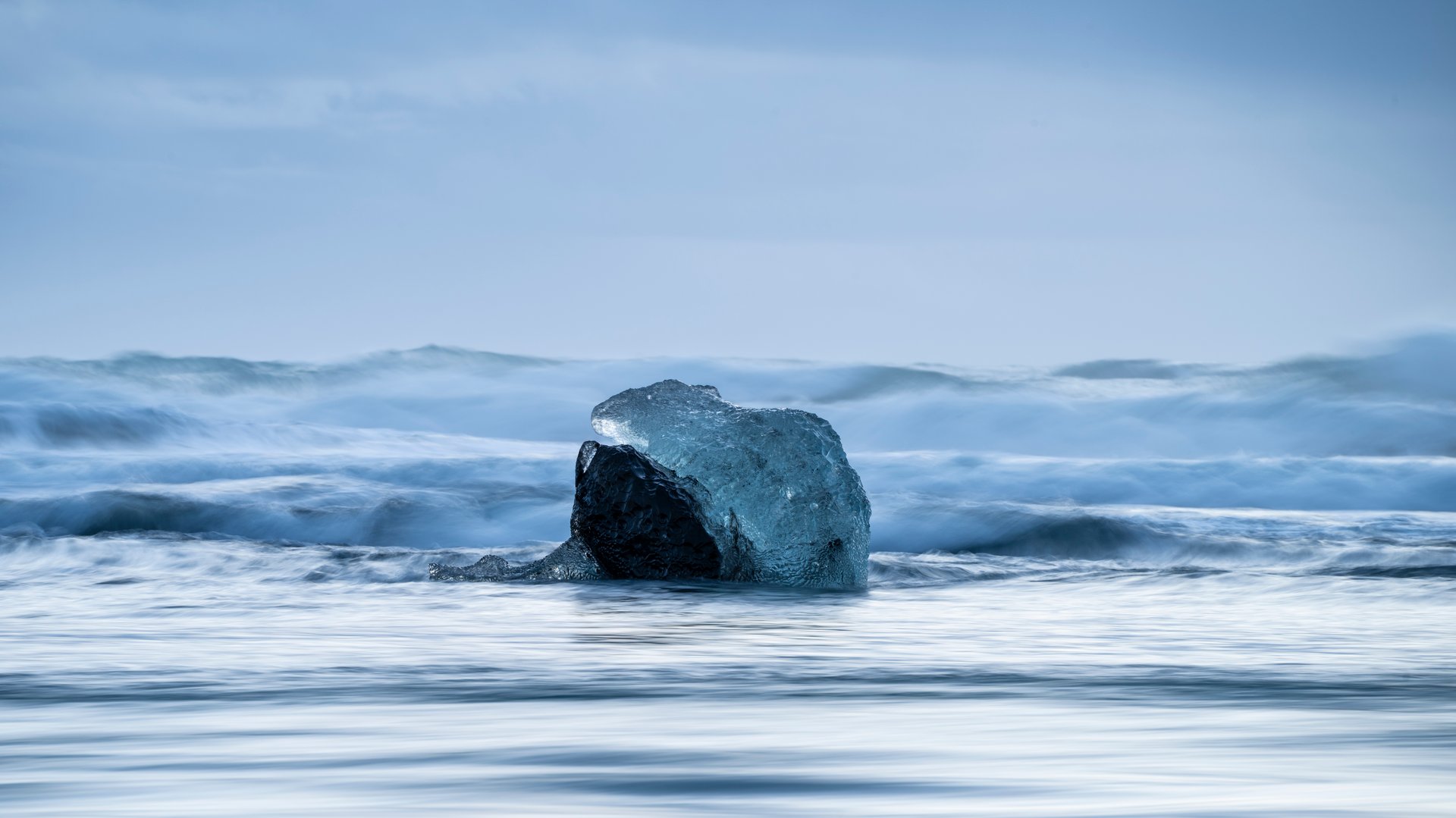
A full circuit of the country. South Coast and glacier lagoons, East Fjords, Mývatn and the north, Akureyri, Snæfellsnes, and back to Reykjavík. You can explore our full Ring Road Essentials itinerary for a detailed day-by-day structure, or go even deeper with the 10-day Ring Road & Highlands tour.
All of these are starting points. The best version of any Iceland itinerary is one that has been adjusted for the people taking it — their pace, their interests, and the conditions on the ground that week.
Why Many Travelers Choose a Private Guide
I will be direct about this: you do not need a guide to visit Iceland. The roads are good, the infrastructure is modern, and self-driving is a perfectly valid option for experienced, prepared travelers.
But there is a reason many people — especially those who value their time and want depth over logistics — choose to travel with a private guide.
A guide is not just a driver. A guide is a local who reads the weather forecast and knows that today, the light will be better on the east side of the glacier. A guide adjusts the plan when conditions change, and knows the alternate route that avoids the construction and leads past the waterfall that is not on any tourist map. A guide handles the timing, the distances, and the driving so you can actually look out the window.
I have had clients tell me the best part of their trip was not a specific waterfall or glacier — it was the conversation in the car, the story about the farm we passed, the decision to skip a crowded stop and go somewhere better instead.
If you are curious about what a private tour actually looks like from the client’s perspective, our guide to private touring in Iceland explains the experience in detail. Or, if you prefer to compare the self-drive, group, and private options side by side, we have put that together as well. And before you travel, do not forget to check our packing guide — what you wear matters more than you think in Iceland.
Explore our multiday tours or get in touch to start designing an itinerary built around you.
Frequently Asked Questions
How many days do I need for the ring road?
A minimum of seven days for a comfortable pace, though eight to ten is better. Anything less means long driving days with little time to stop and explore. The ring road is about the journey, not the distance.
Can I build an itinerary around the Northern Lights?
Yes, but with a caveat: the aurora is never guaranteed. The best approach is to build a strong itinerary that works regardless of the lights, and then stay flexible for clear-sky opportunities. A guide who monitors the forecasts daily makes a real difference here.
Should I book activities in advance or decide on the ground?
Popular activities like glacier hikes, ice cave tours, and the Blue Lagoon should be booked in advance — they sell out, especially in summer. For everything else, having a flexible plan works better than a locked-in schedule.
Is it worth spending time in Reykjavík?
Absolutely. A full day in the capital — especially toward the end of your trip — gives you time to enjoy restaurants, galleries, the old harbour, and the culture that ties the whole Iceland experience together.
What if I cannot decide what to include?
That is exactly what itinerary designers do. Reach out with your dates, your group size, and a rough sense of your interests — we will put together a proposal that makes the most of your time.