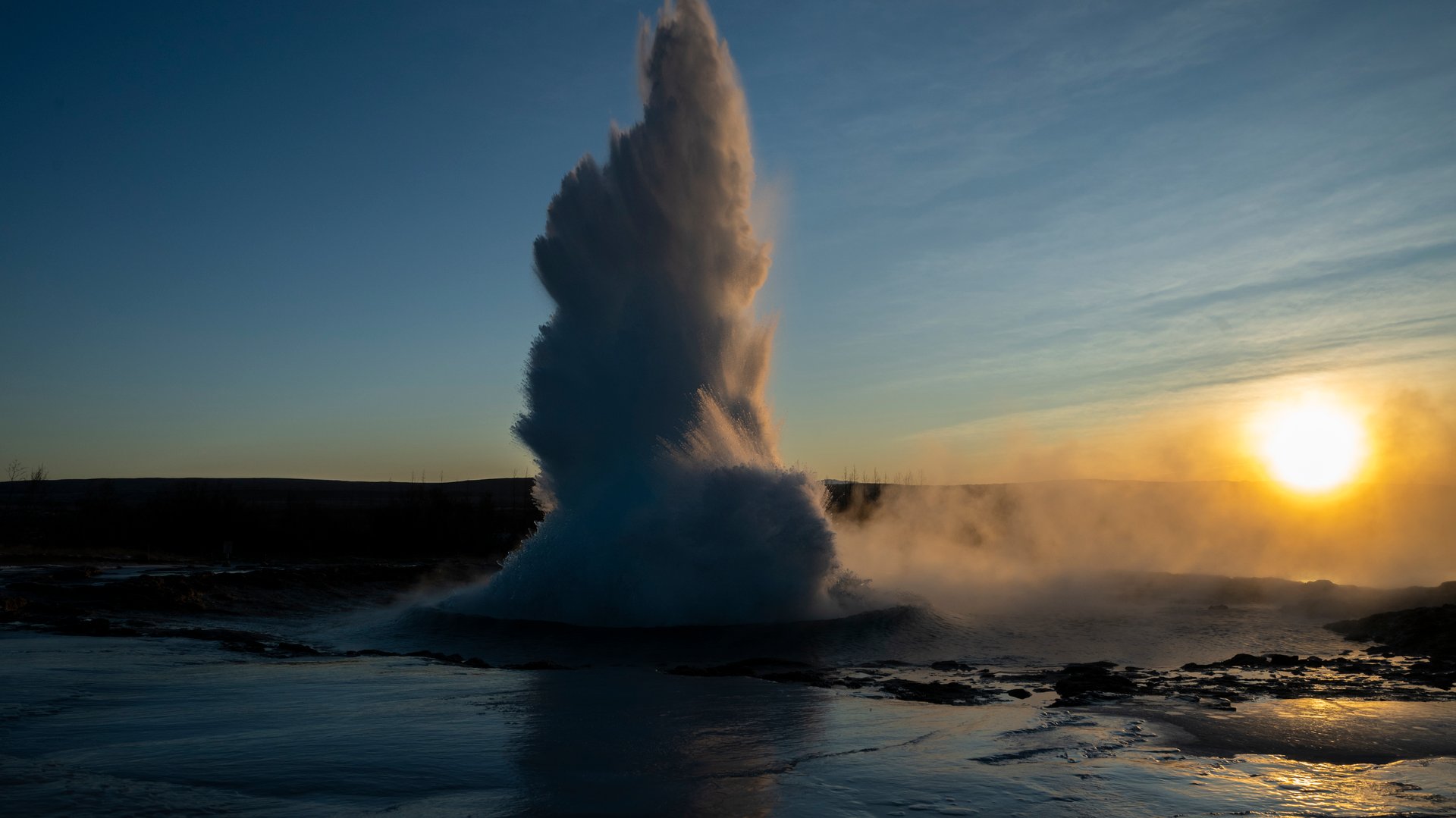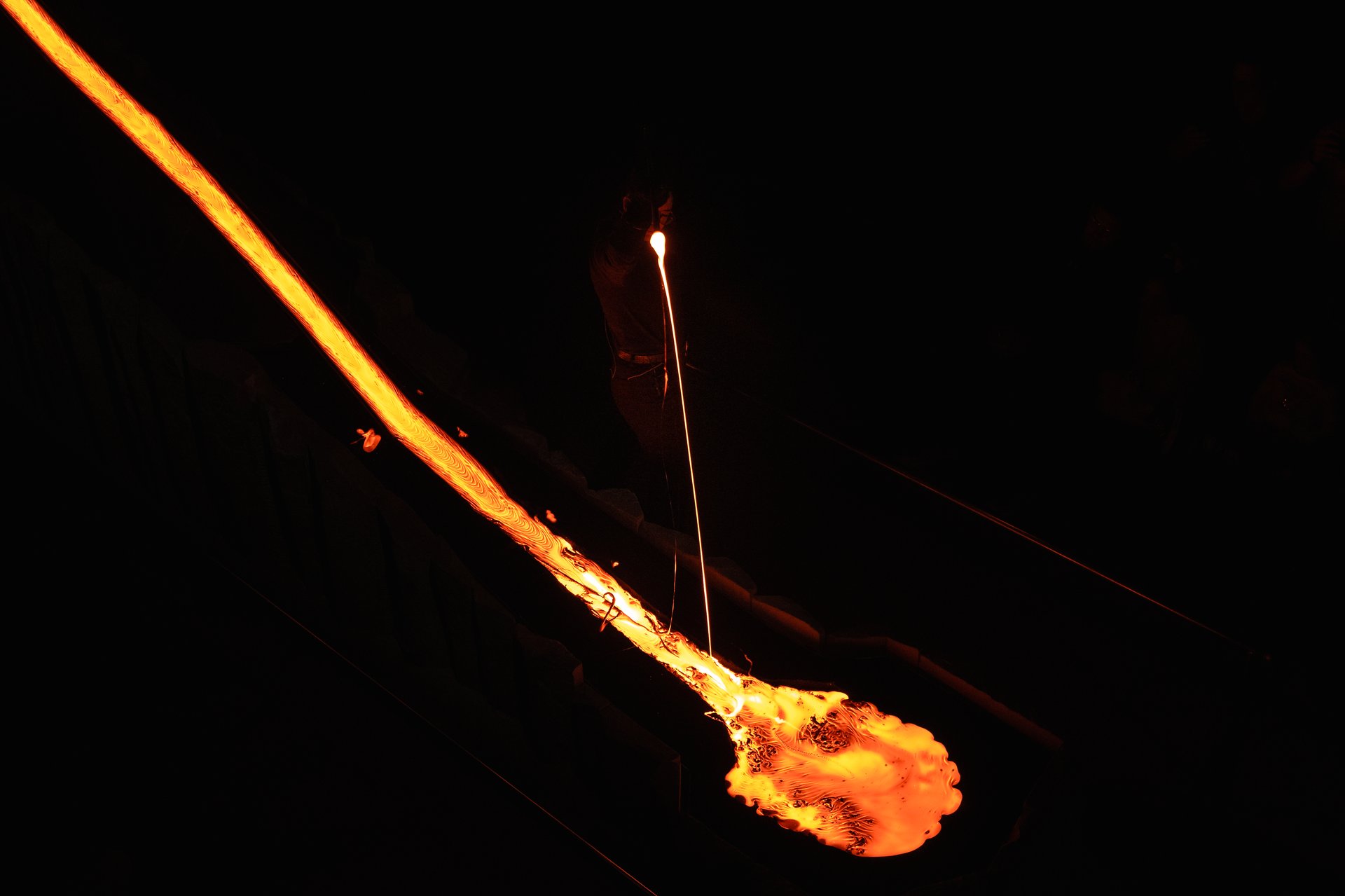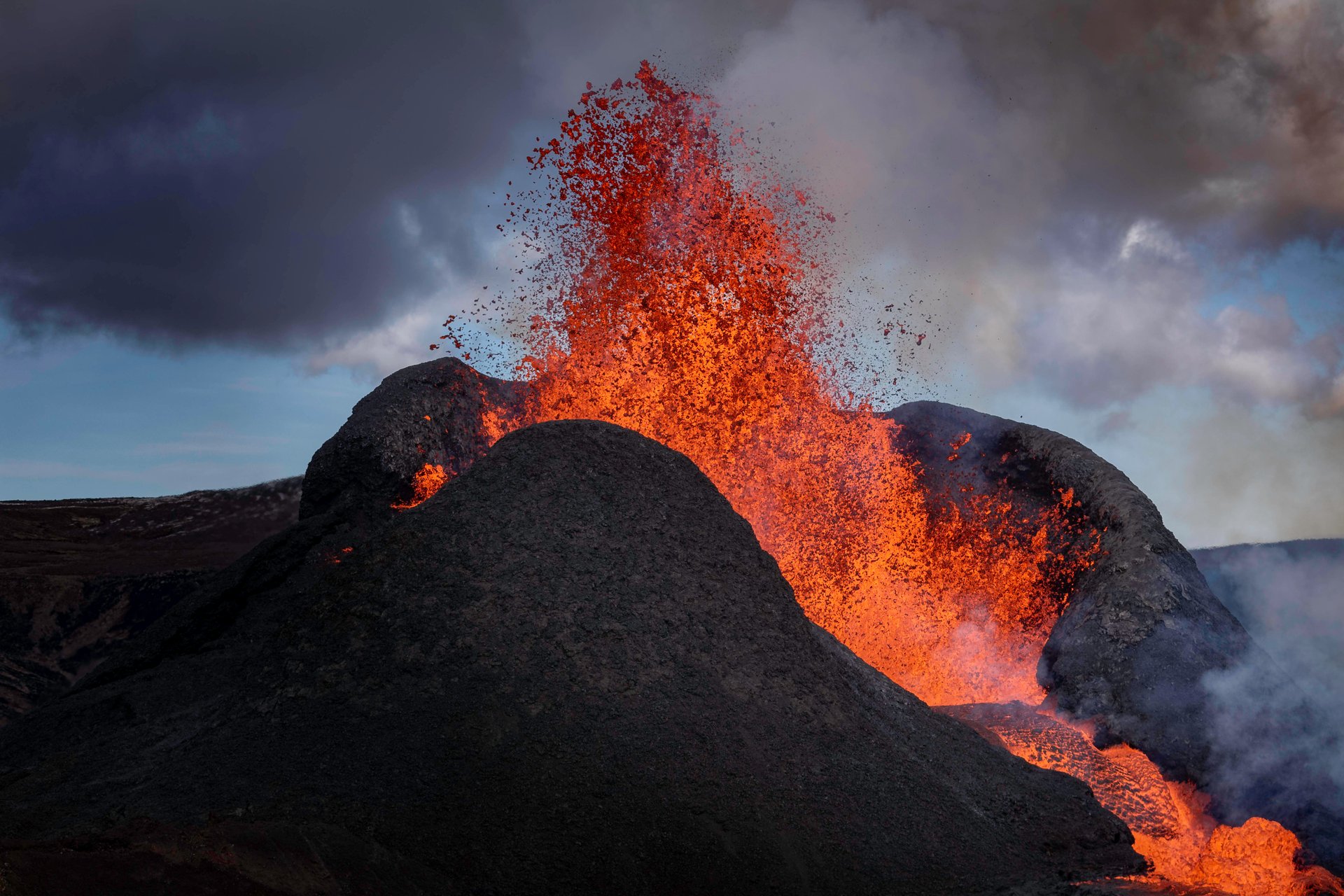
Pictures of the latest eruptions on the Reykjanes Peninsula.
Since 2021, Iceland’s Reykjanes Peninsula has experienced unprecedented volcanic activity. This visual collection documents the evolution of these eruptions, from the accessible “tourist eruptions” of 2021-2023 to the more threatening activity near Grindavík. For detailed information on how to see lava in Iceland, explore our comprehensive guide.
2021
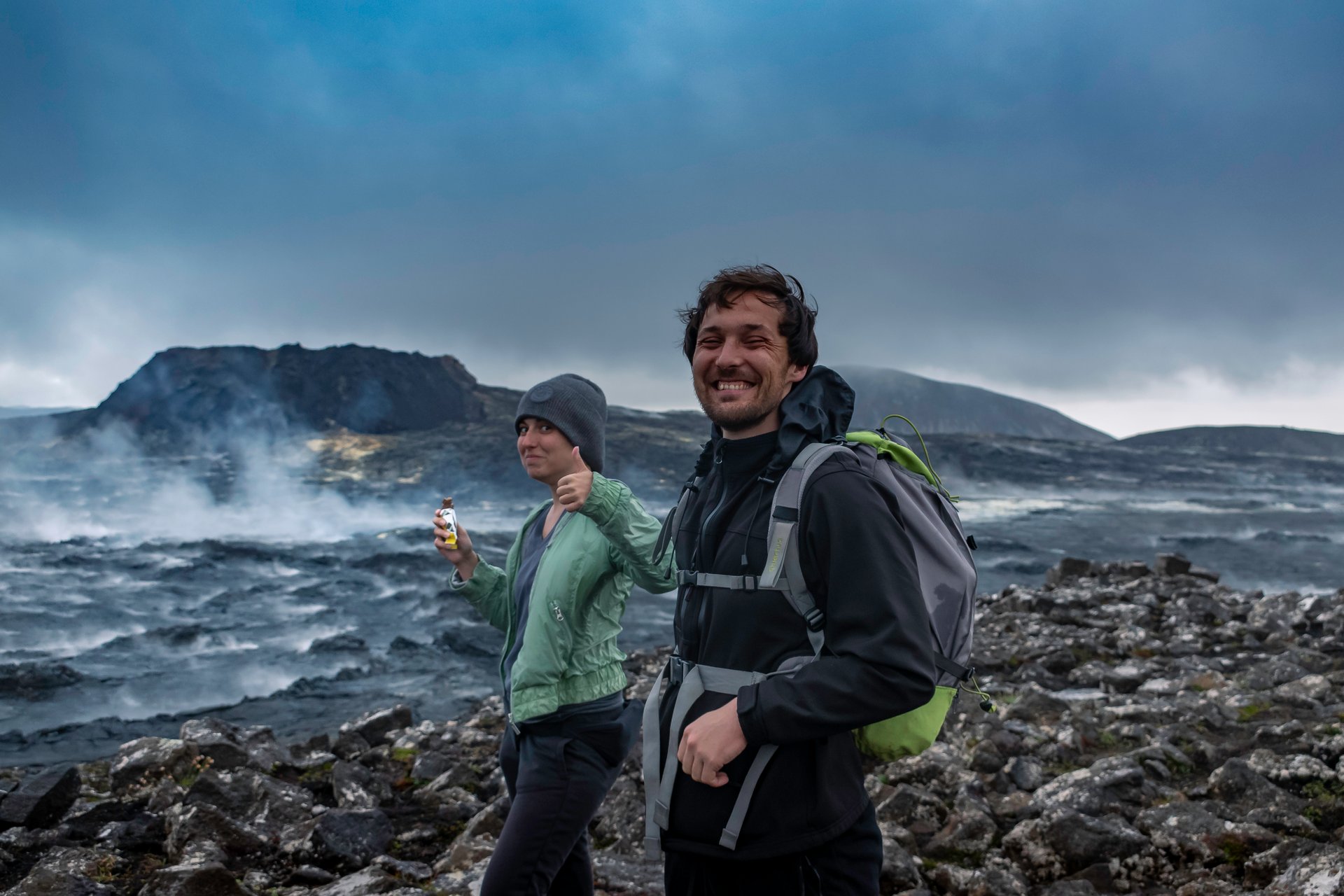
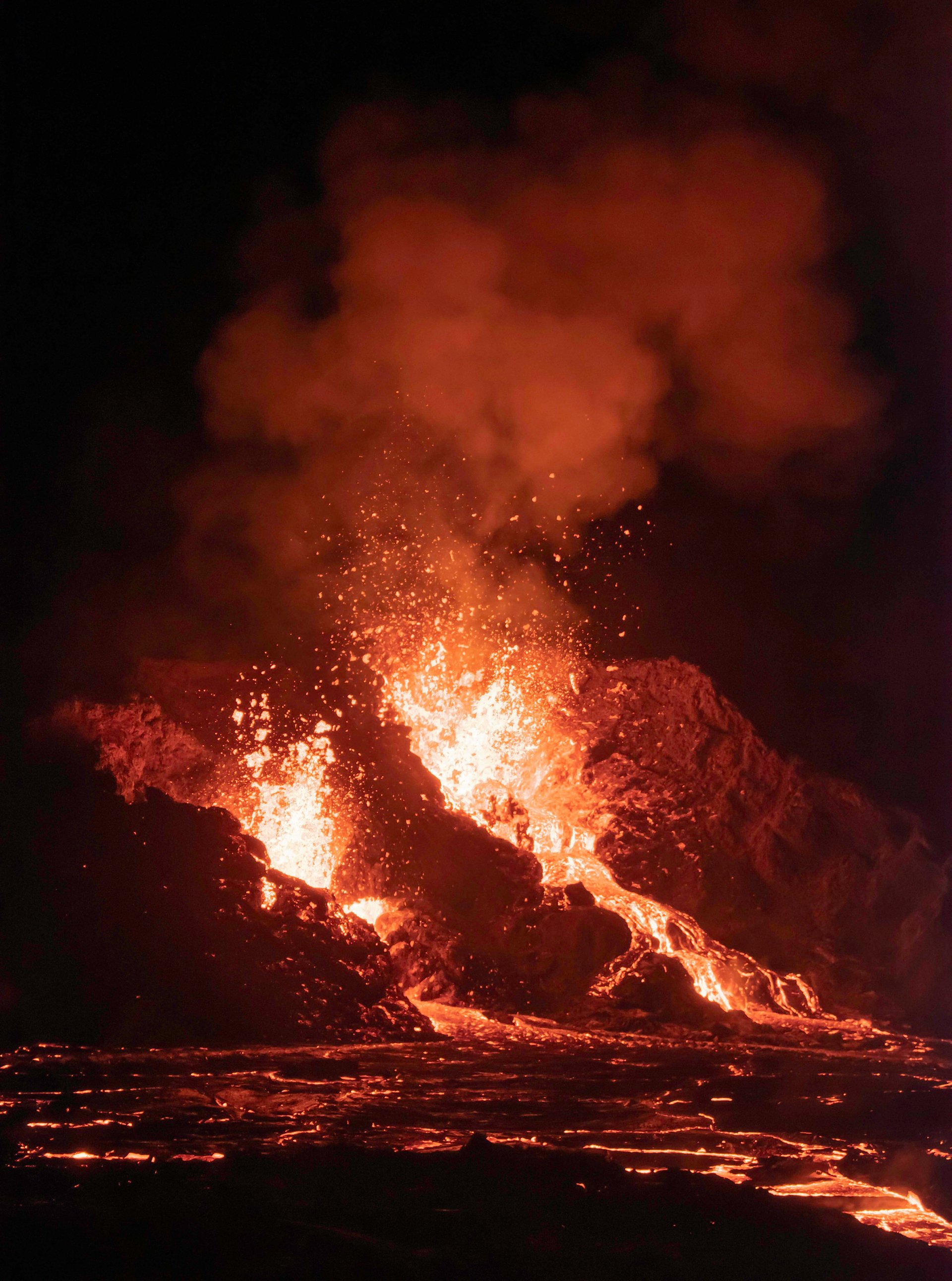
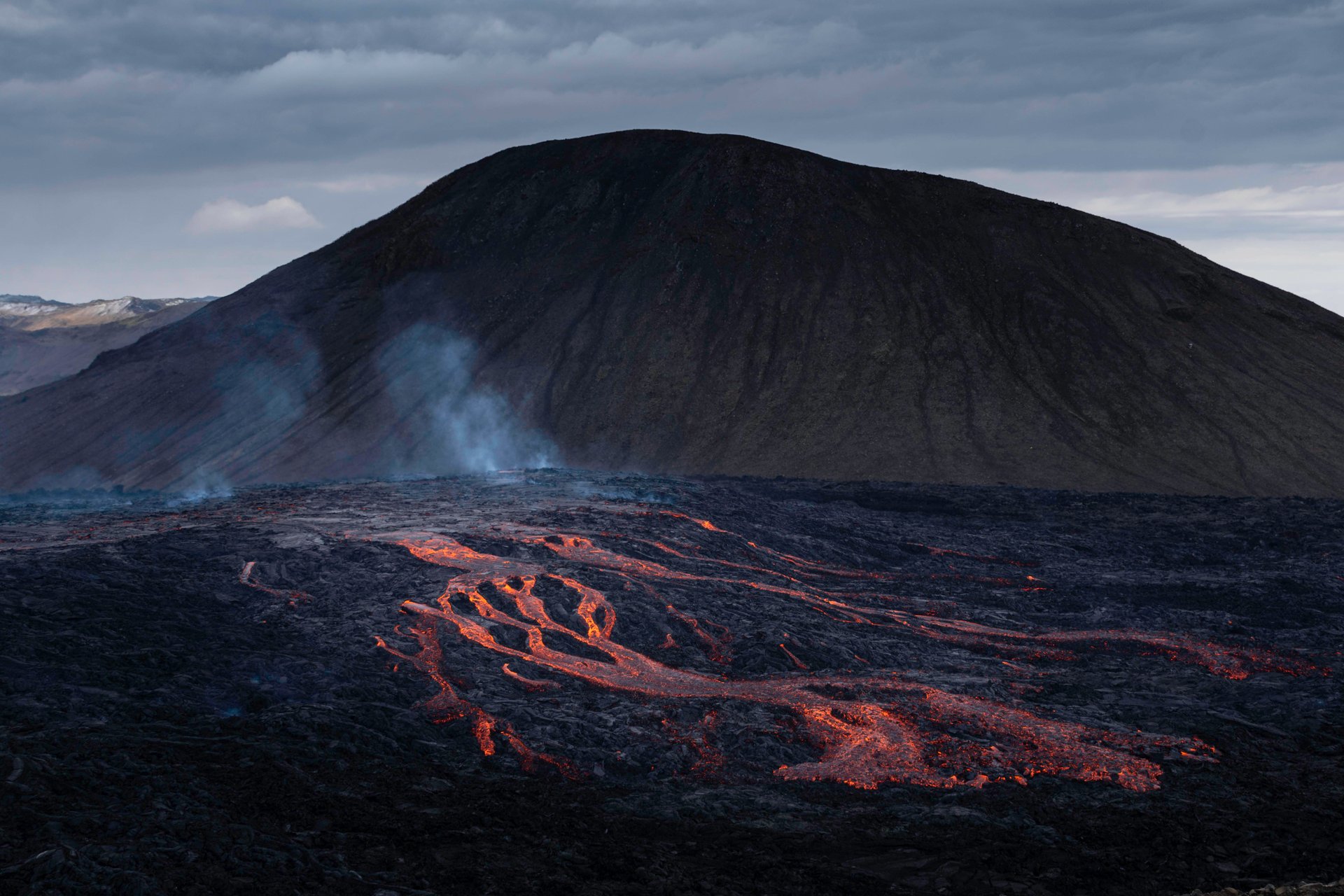
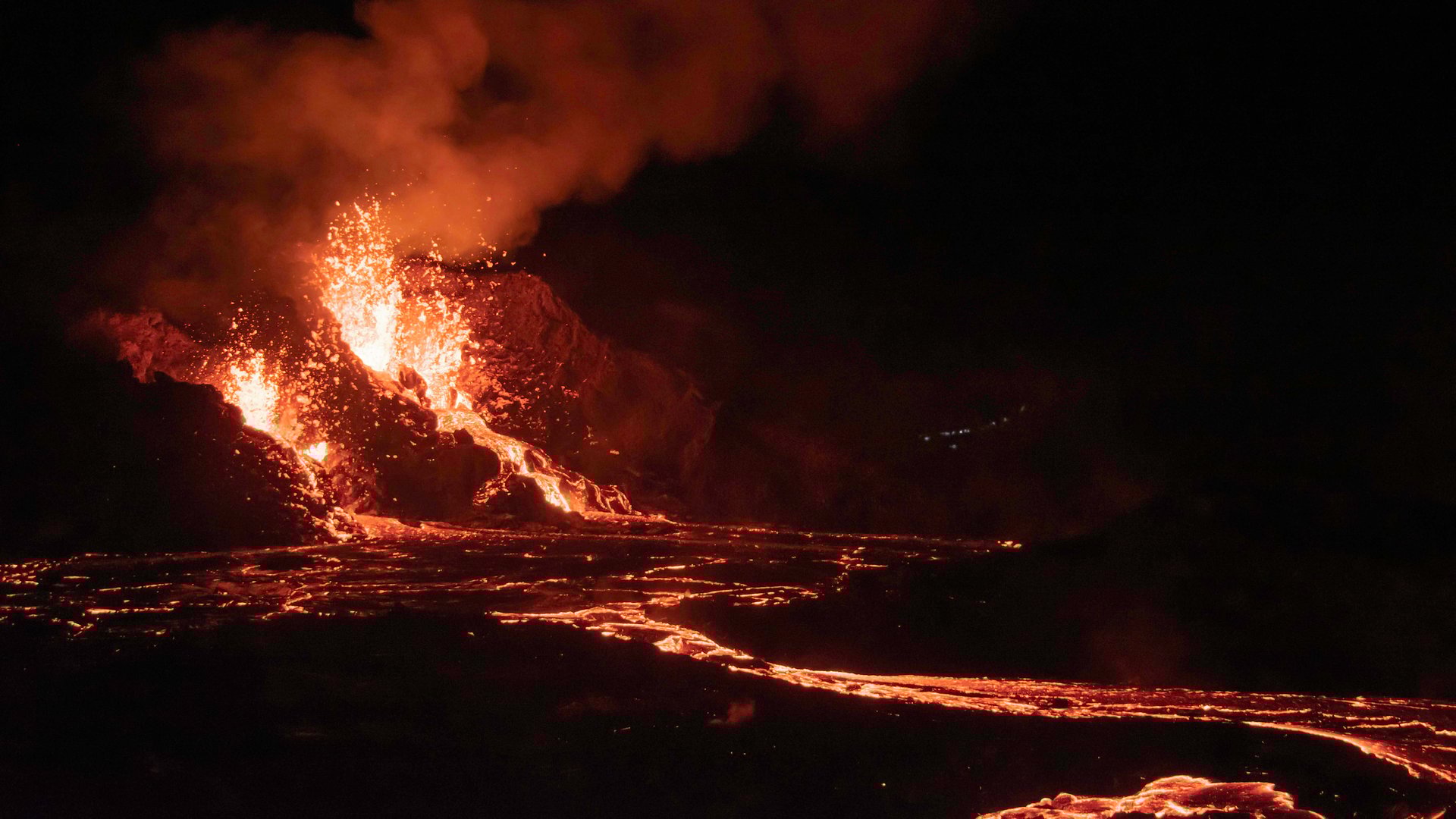
The Geldingadalir eruption began on March 19, 2021, marking the start of a new volcanic era on the Reykjanes Peninsula. For six months, visitors could witness glowing lava fountains and flowing rivers of molten rock in a relatively safe environment.

2022
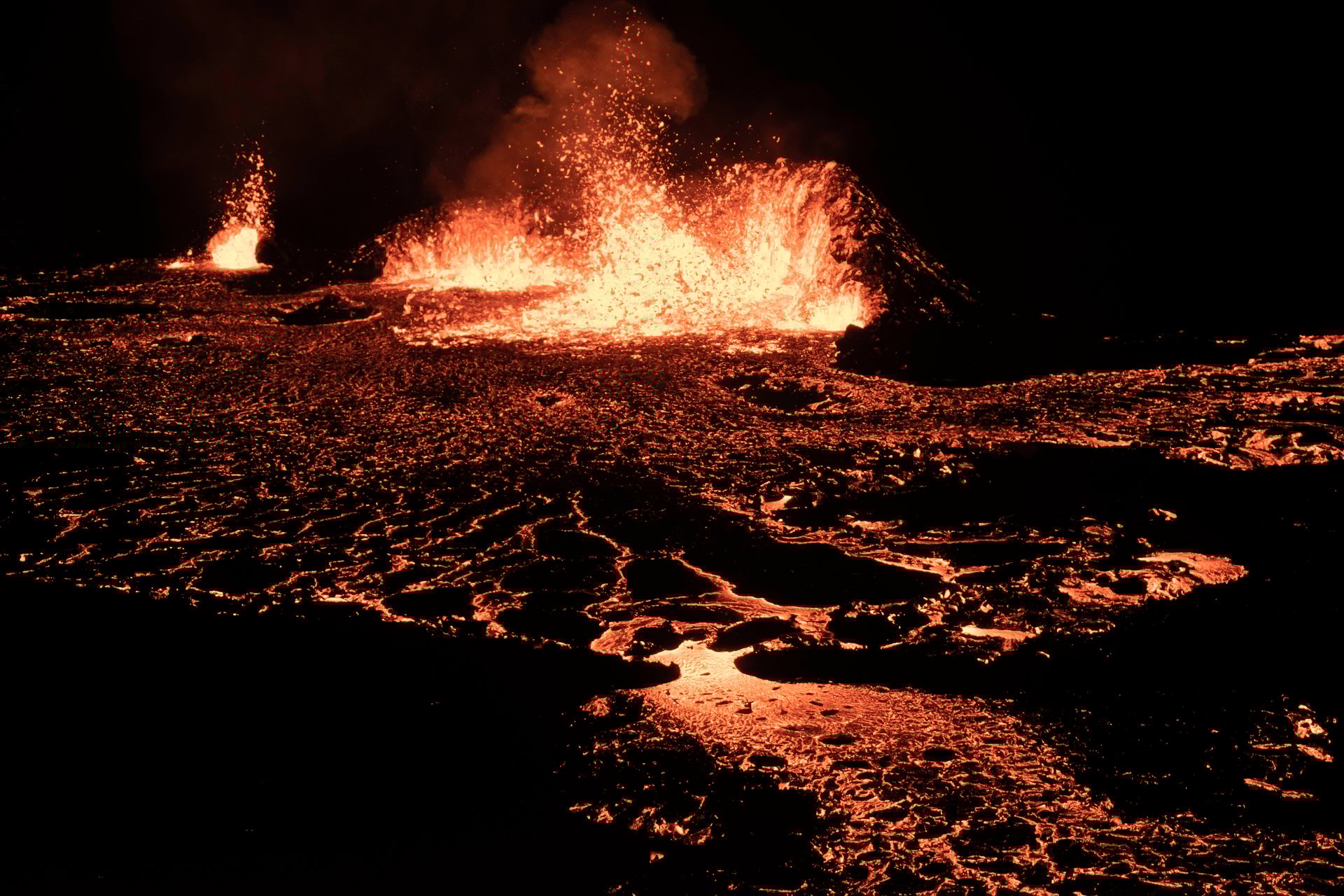
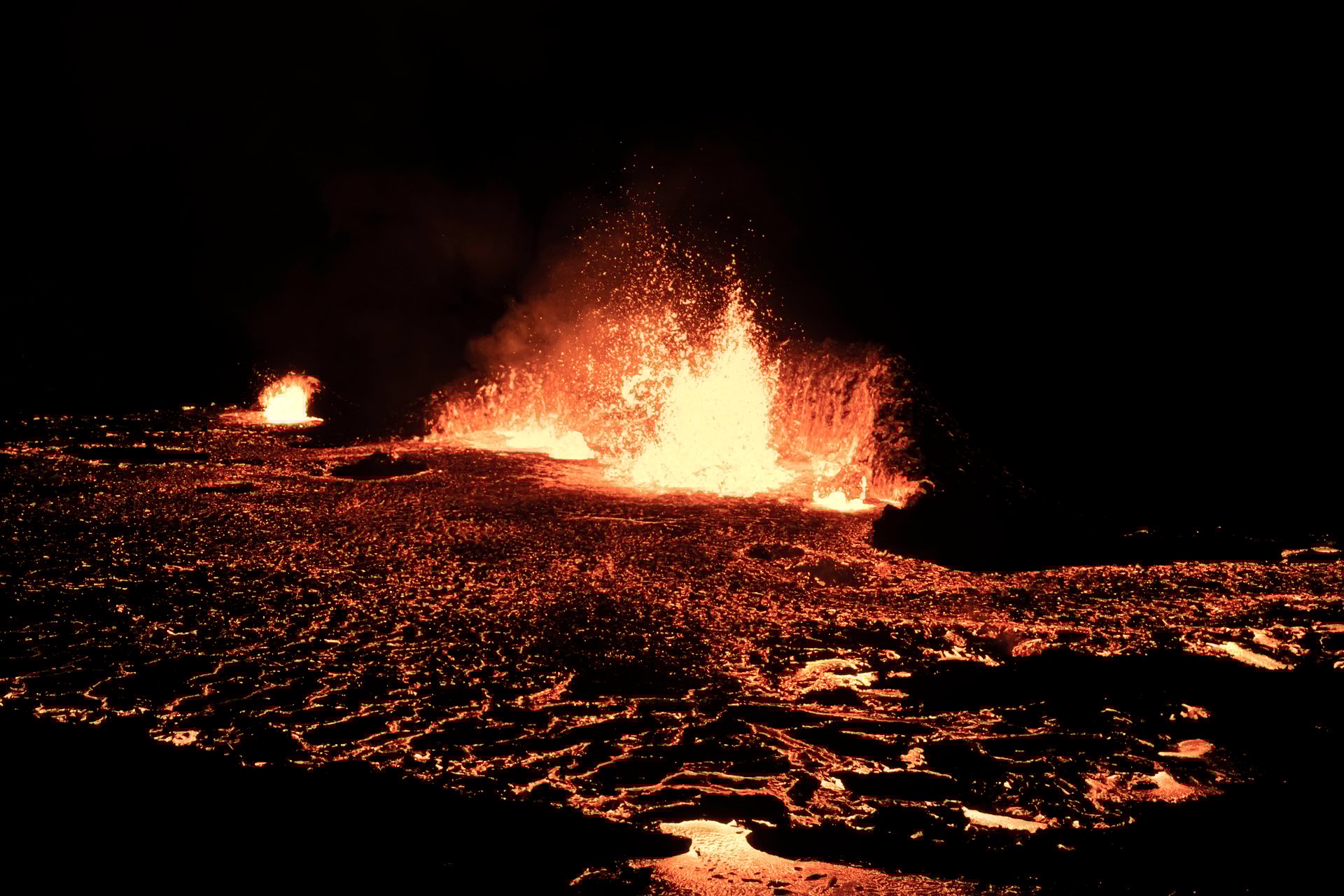
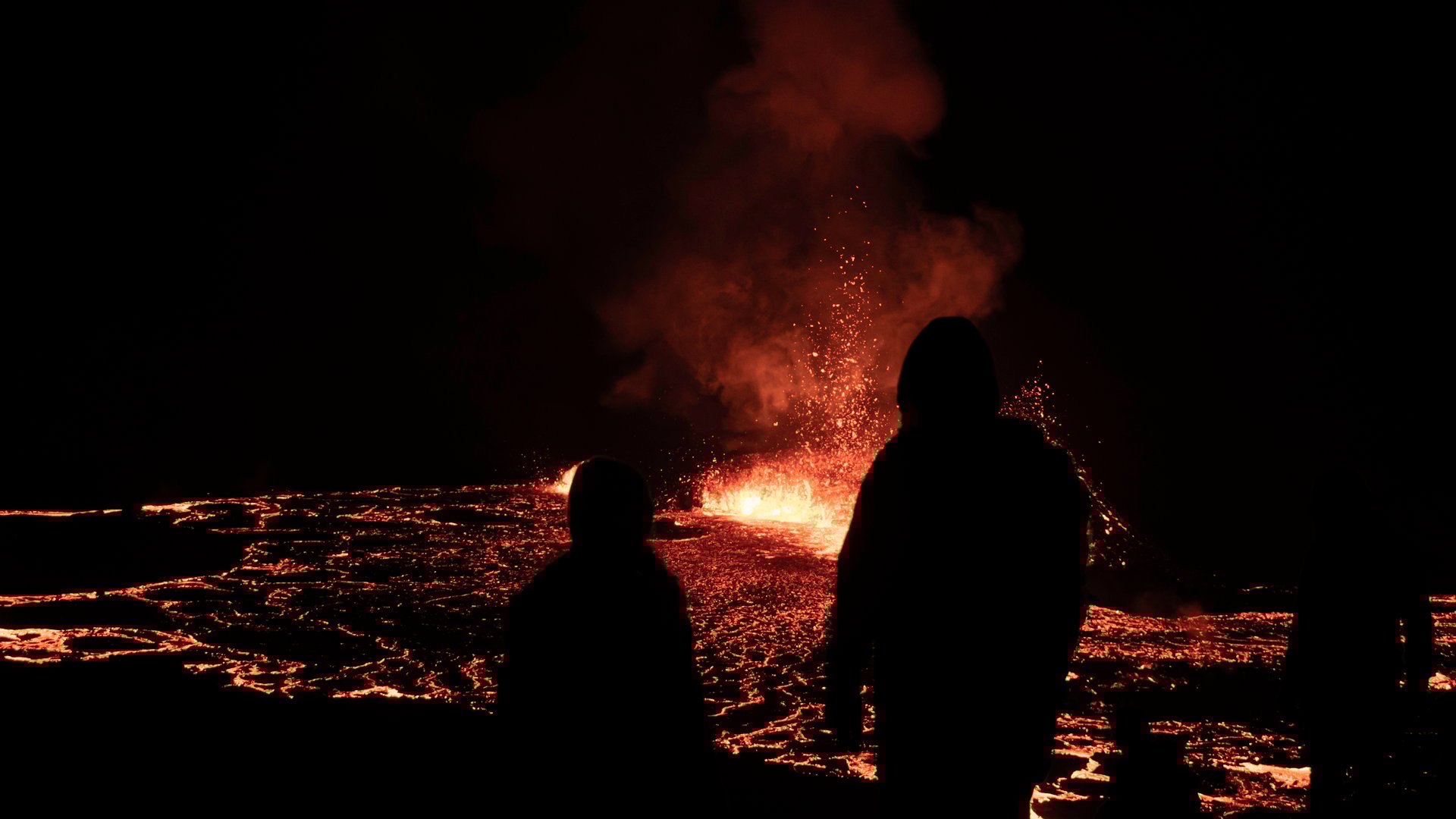
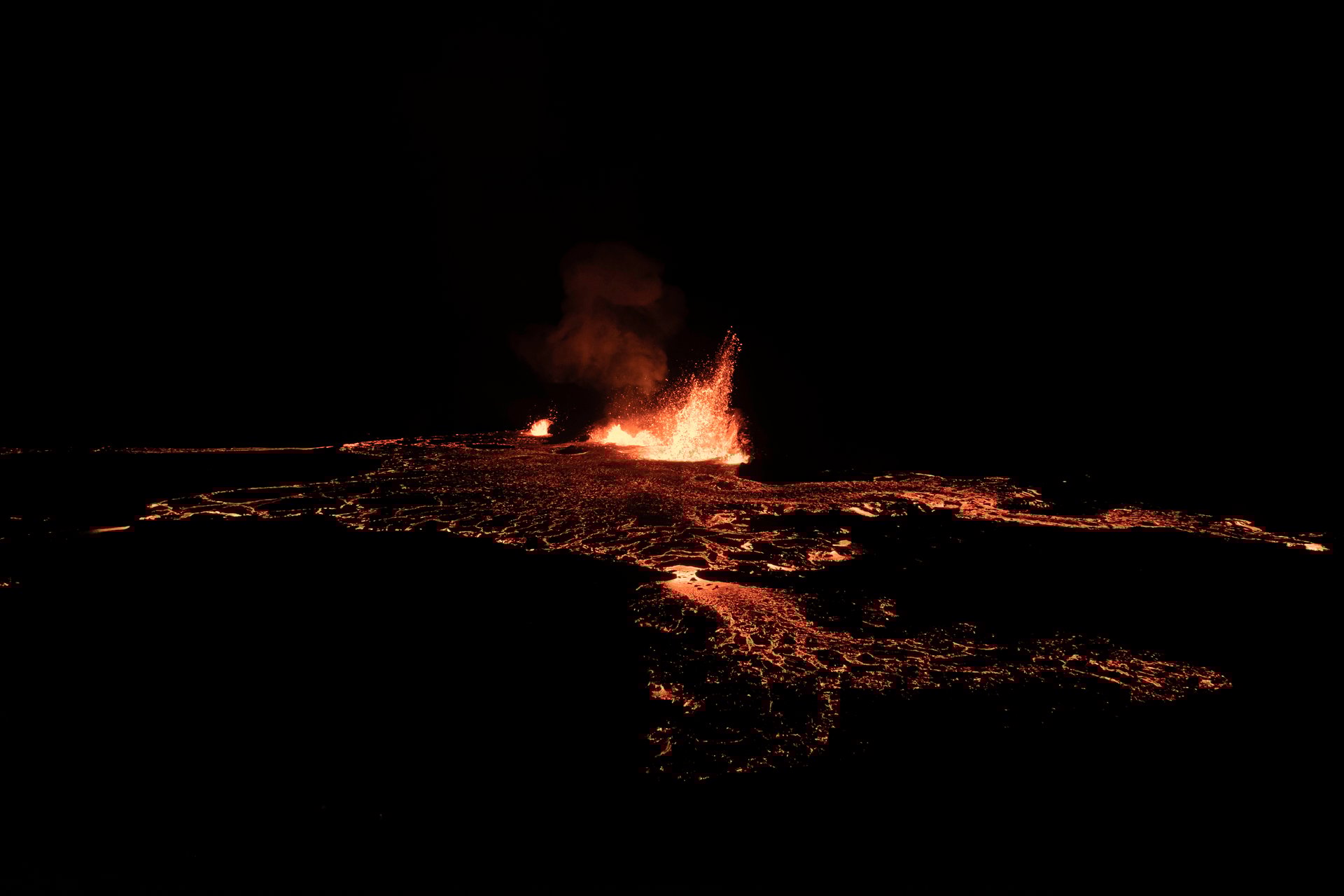
The Meradalir eruption erupted on August 3, 2022, offering a brief but intense display of volcanic power. Though it lasted only three weeks, thousands managed to witness this spectacular natural phenomenon.
2023
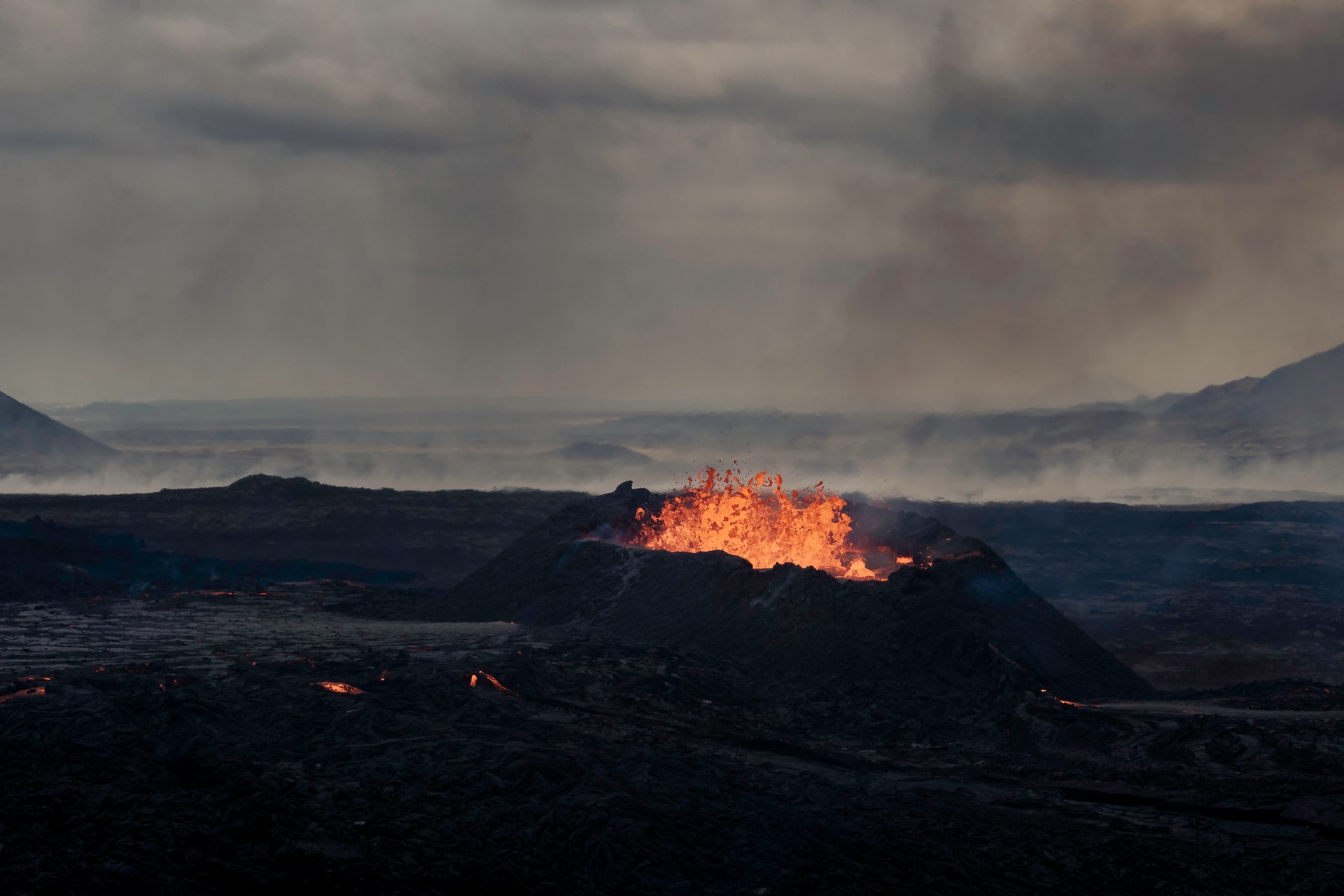
Litli-Hrútur (“Little Ram”) came alive on July 10, 2023, providing the final accessible eruption in this sequence. The one-month window allowed determined hikers to witness Earth reshaping itself in real time.
2024 and 2025
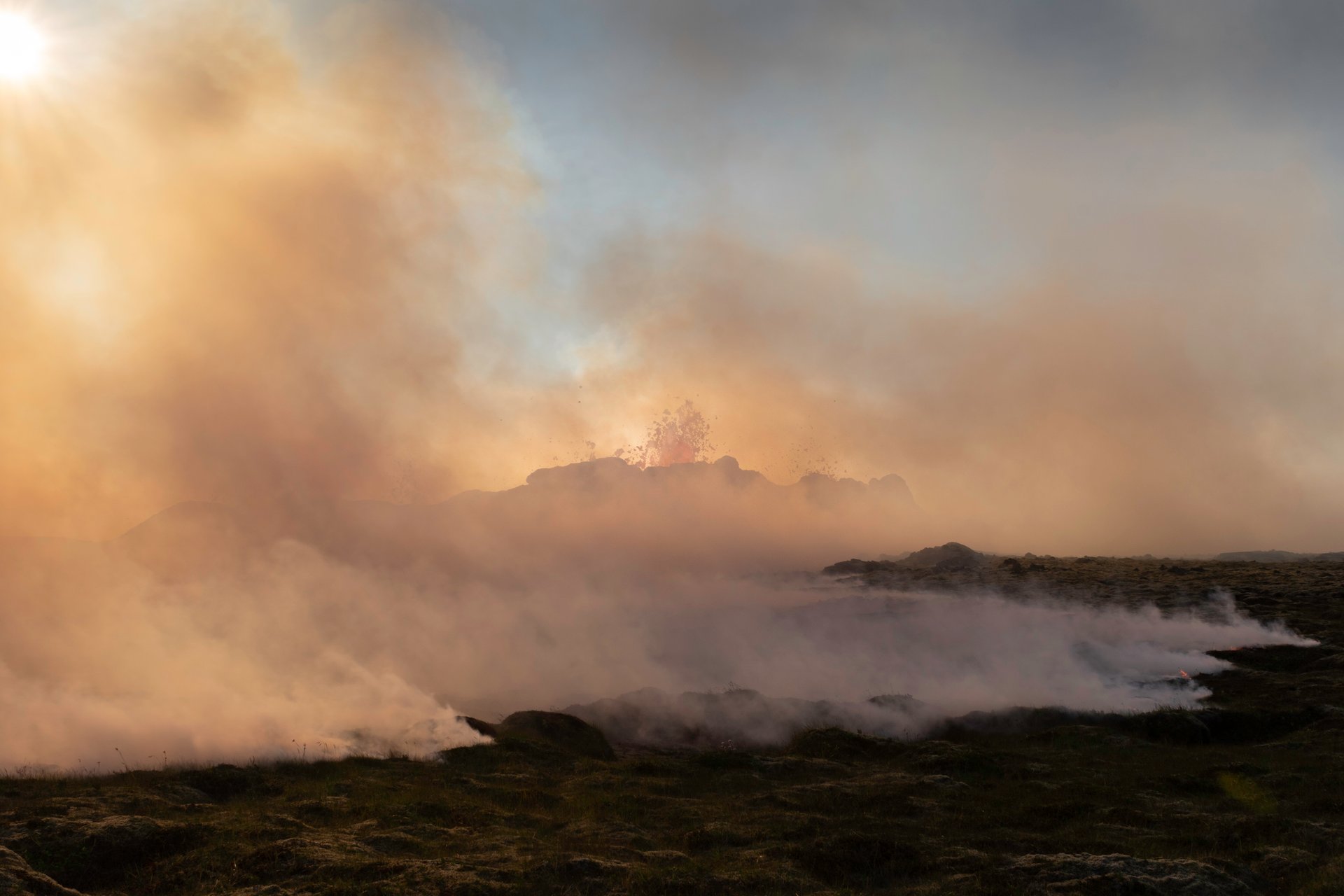
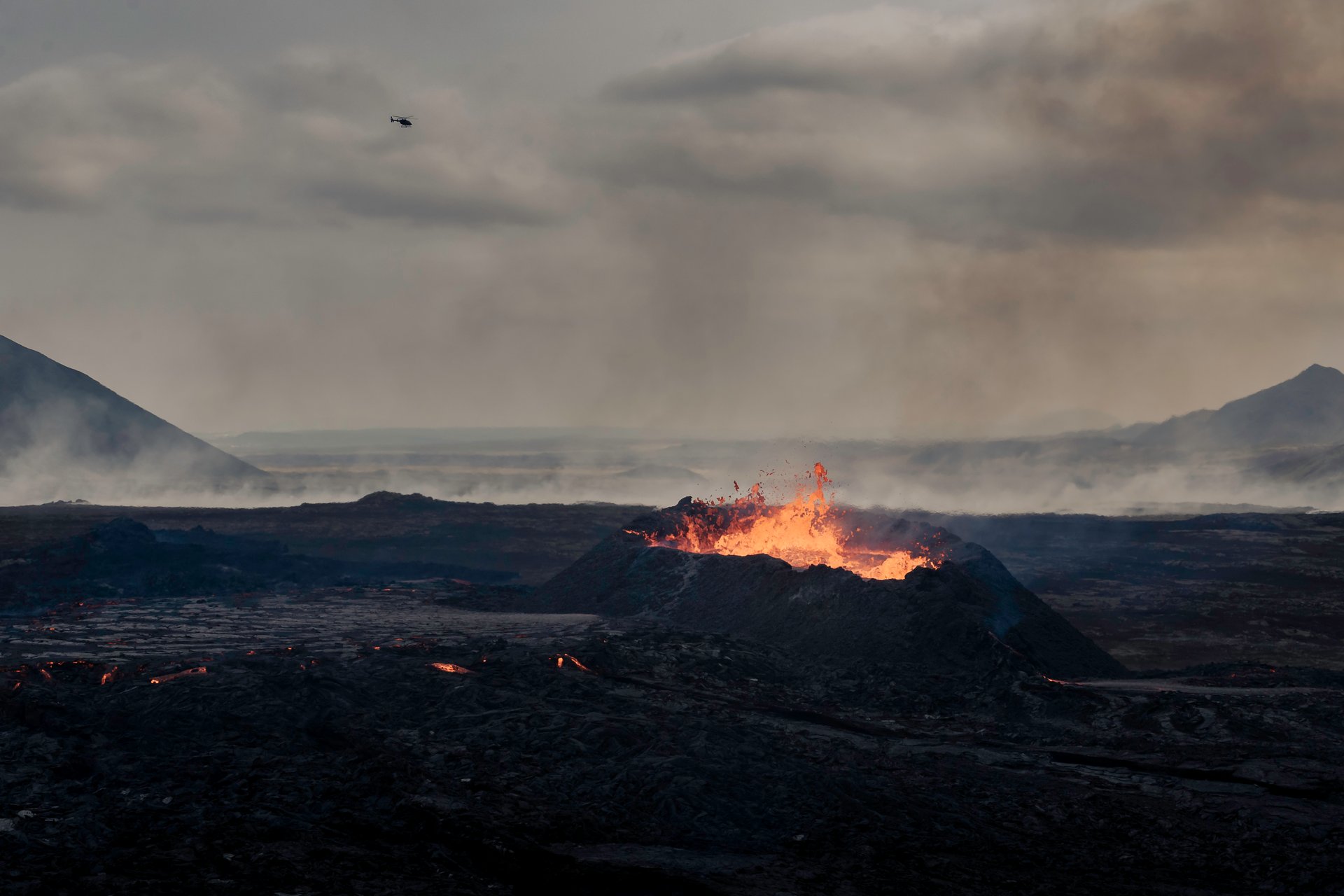
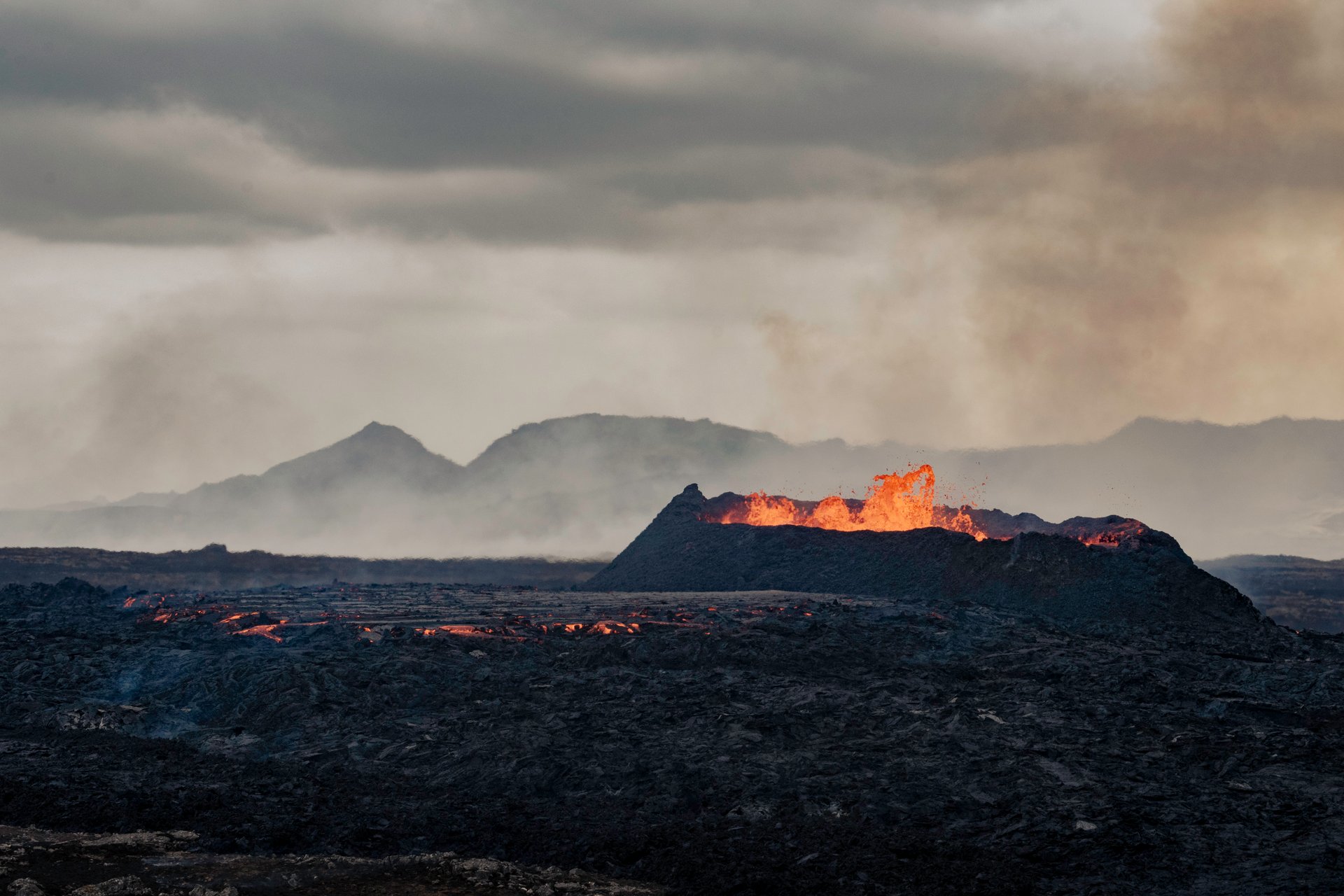
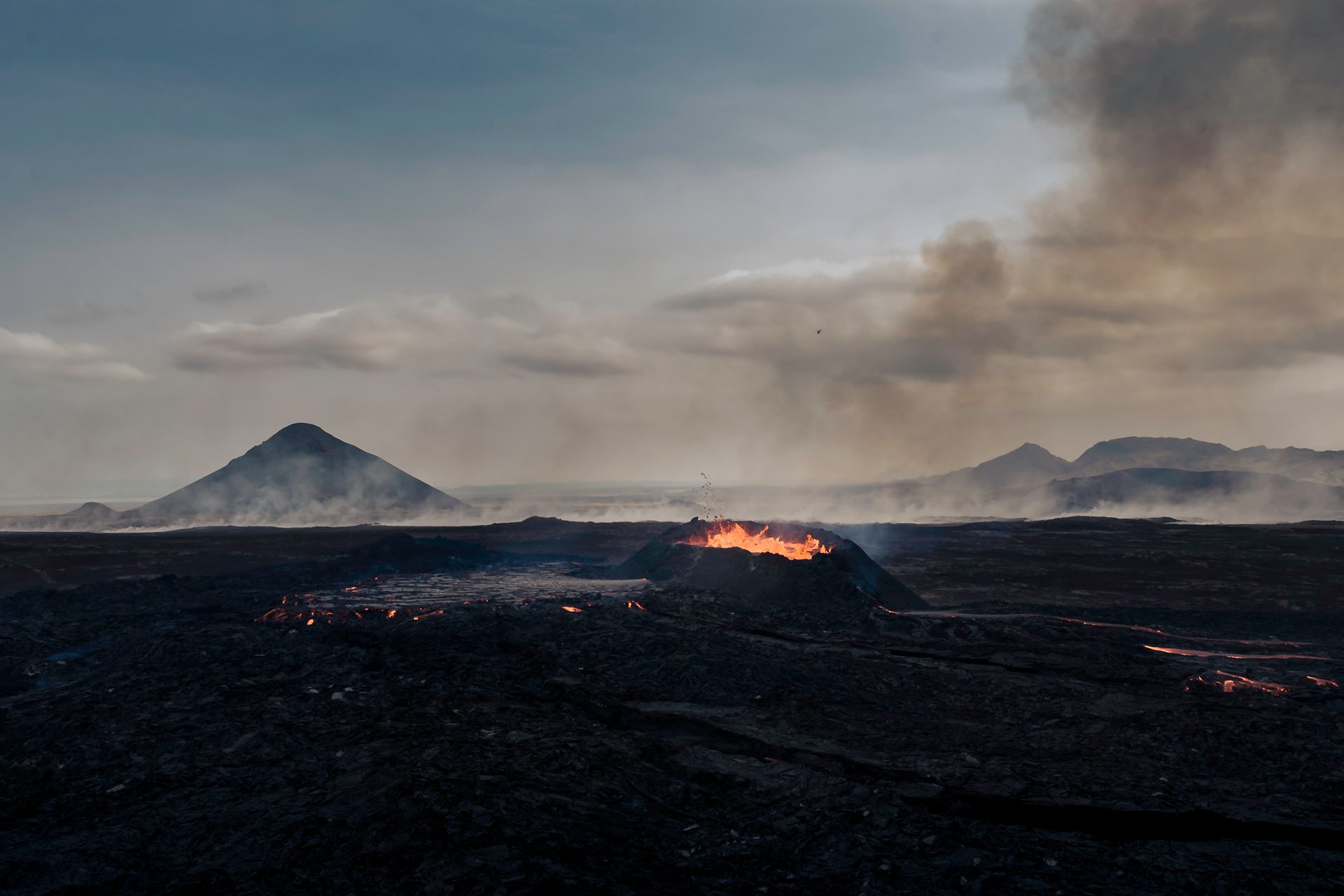
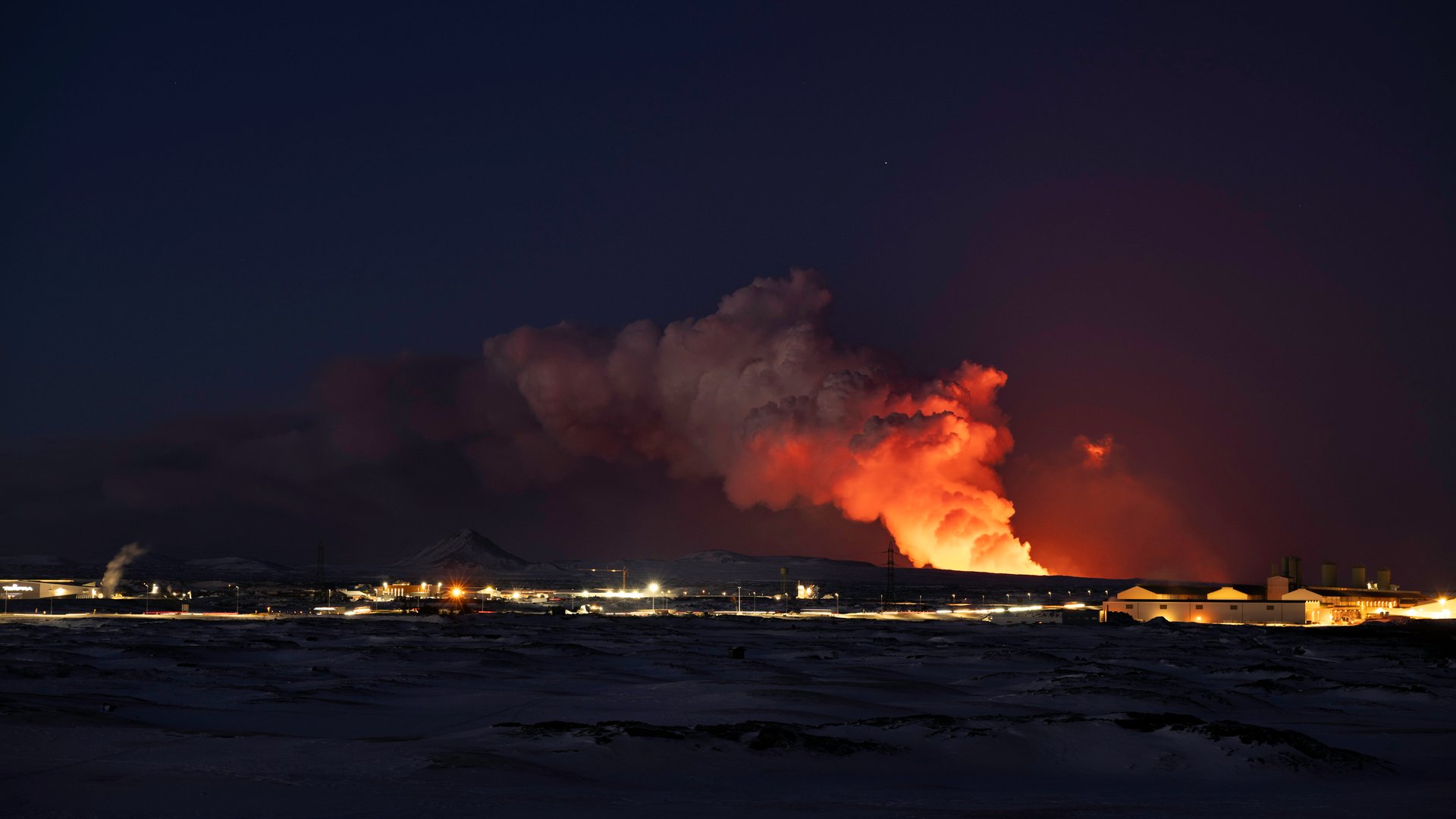
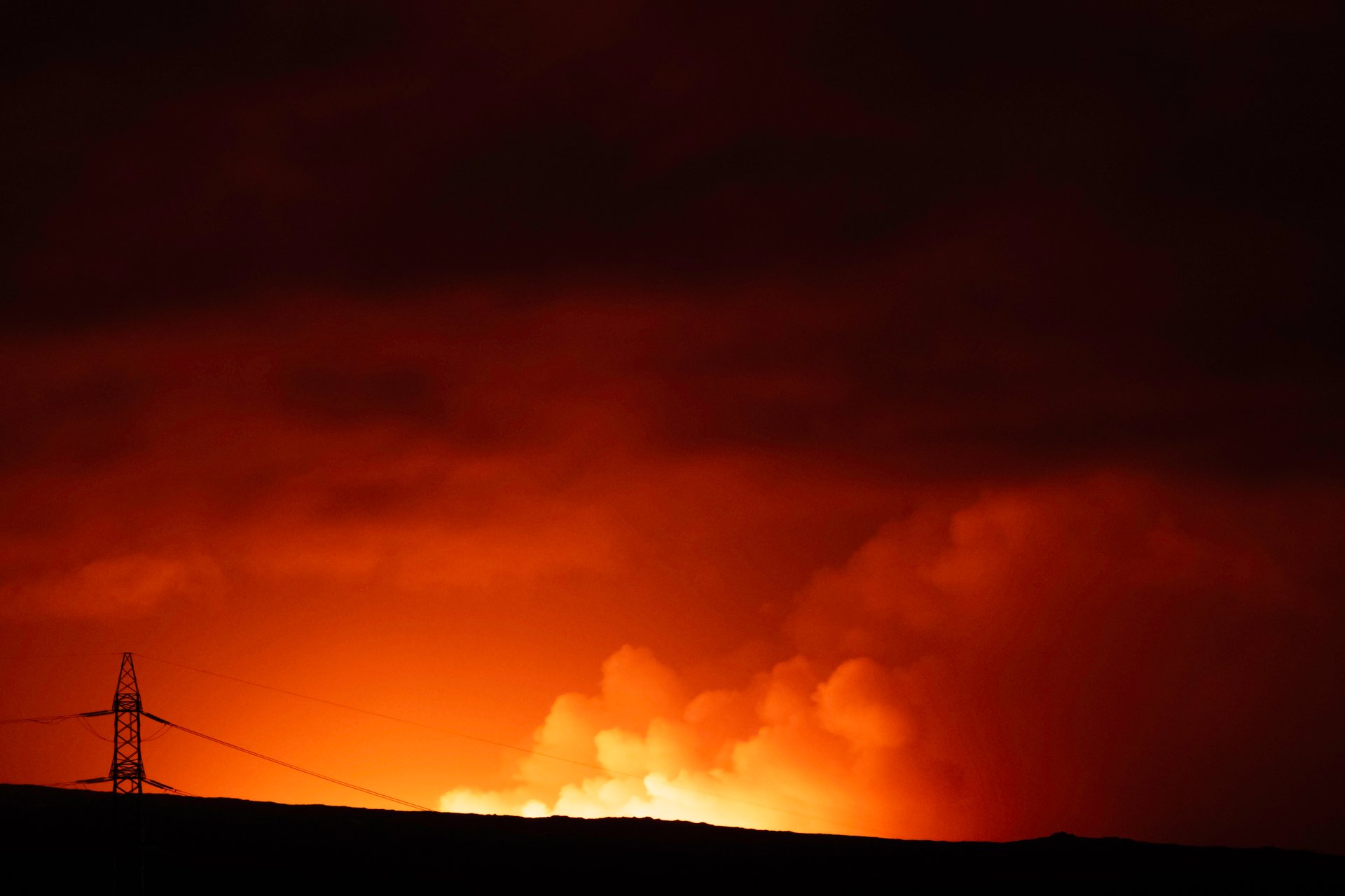
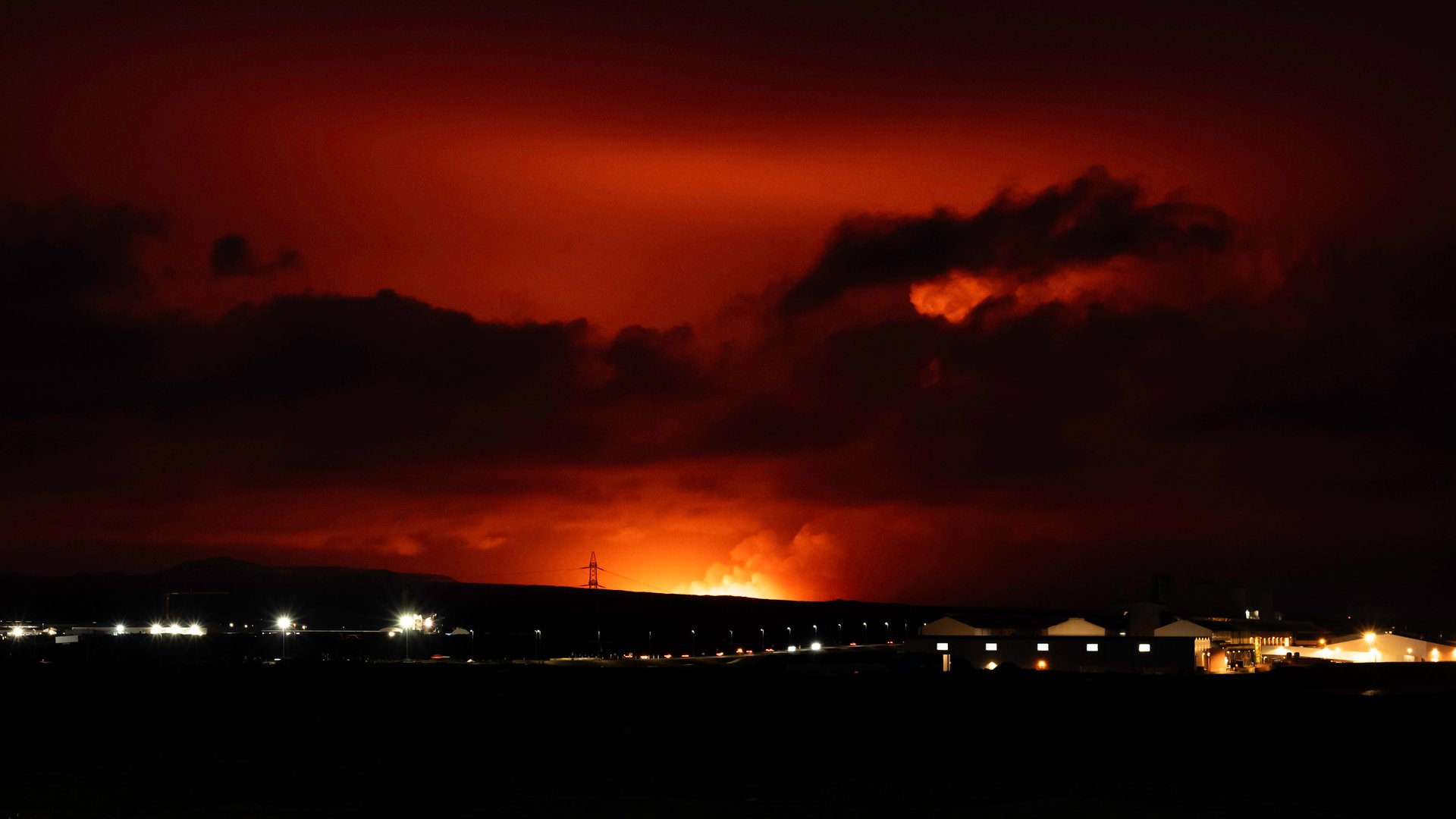
The eruption pattern shifted in late 2023, with activity moving to the Sundhnúksgígar crater row near Grindavík. These eruptions posed direct threats to infrastructure and the local community, requiring evacuations and defensive measures. Access to these sites remained closed to the public for safety reasons.
Experience the volcanic wonders of the Reykjanes Peninsula with our private day tour or explore the complete Reykjanes Peninsula guide for planning your visit to this extraordinary volcanic landscape.