This account is written by Philippe, who guided this French-speaking expedition through Iceland’s Highlands in summer. What follows is his story of seven days navigating unpredictable weather, remote F-roads, and the raw beauty of Iceland’s interior.
After months of anticipation and planning, the time had come to hit the road with our clients toward the magnificent and remote regions of Iceland’s Highlands, accessible only during the summer months with specially adapted 4x4 vehicles.
But there’s one thing you cannot plan for, something that governs everyone’s life here: the weather. At the last minute, it decided to make things more difficult than necessary.
Day 0: When Weather Strikes Before the Journey Begins
Things became complicated even before the trip had truly begun. Our clients’ flights were delayed due to weather conditions, and what had to happen did: some luggage didn’t make it to the destination.
Fortunately, a night in Reykjavík was planned at the start of the trip, so we adapted to this unforeseen event. Where we were going, delivery services were not an option… We waited as the luggage was brought back on the following day’s flight.
The next day, we set out to discover the world’s northernmost capital. After filling up with fuel and stocking up on supplies for a week of self-sufficiency and roaming, we headed to the airport to pick up the delayed bags.
The adventure could finally begin!
Day 1: Nature Has Other Plans
The Jökulhlaup That Changed Everything
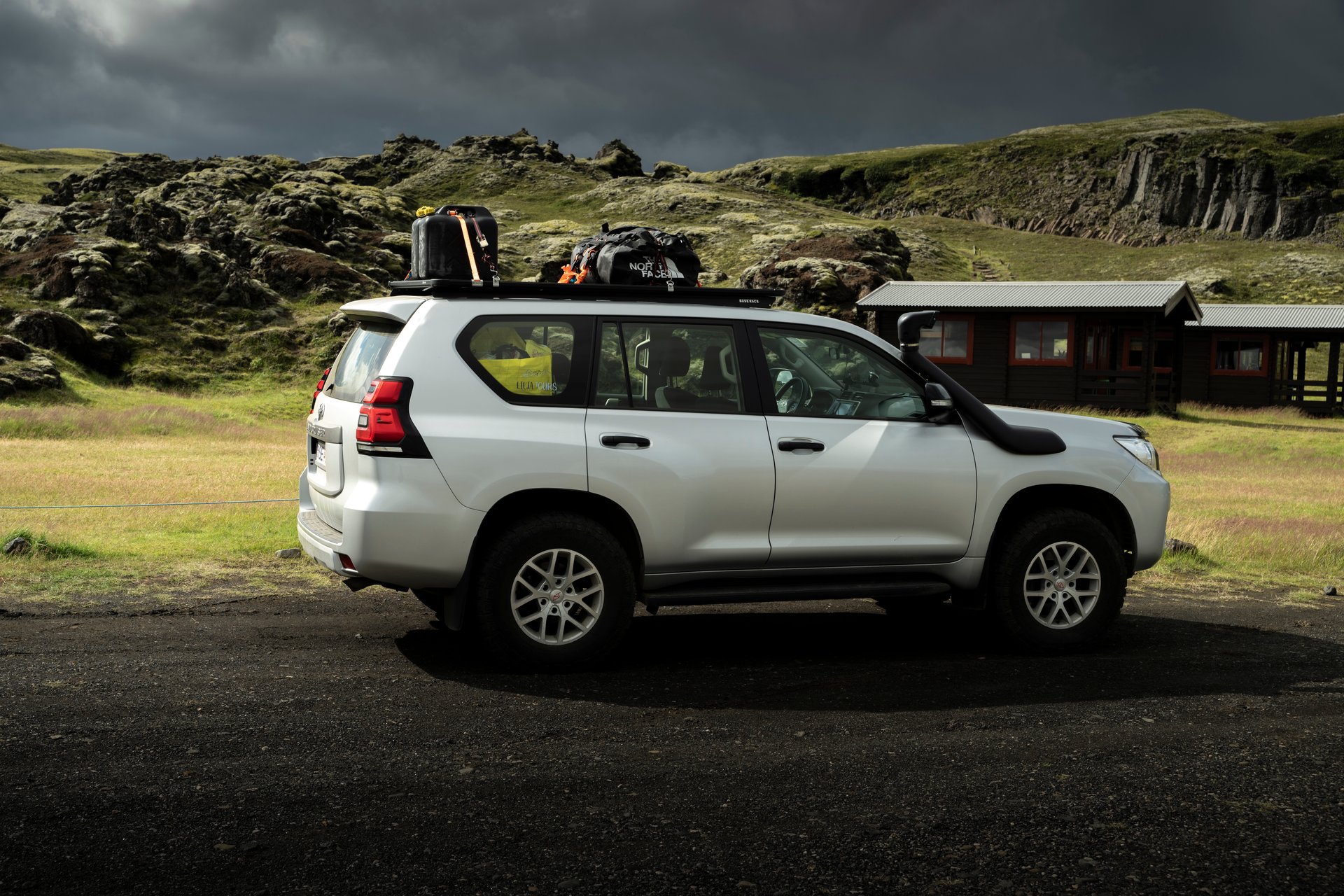
Except, that one more time, nature had other plans. We had planned to start by visiting the interior region north of the Mýrdalsjökull glacier and the stunning mountain of Mælifell, an ancient solitary volcano standing in the vast black sand plains of Mælifellssandur. But besides the bad weather, the access road was closed that day due to a jökulhlaup (glacial flood). The glacial delta was thus inaccessible…
This is the reality of Highland travel in Iceland, flexibility isn’t optional, it’s essential.
South Coast Consolation
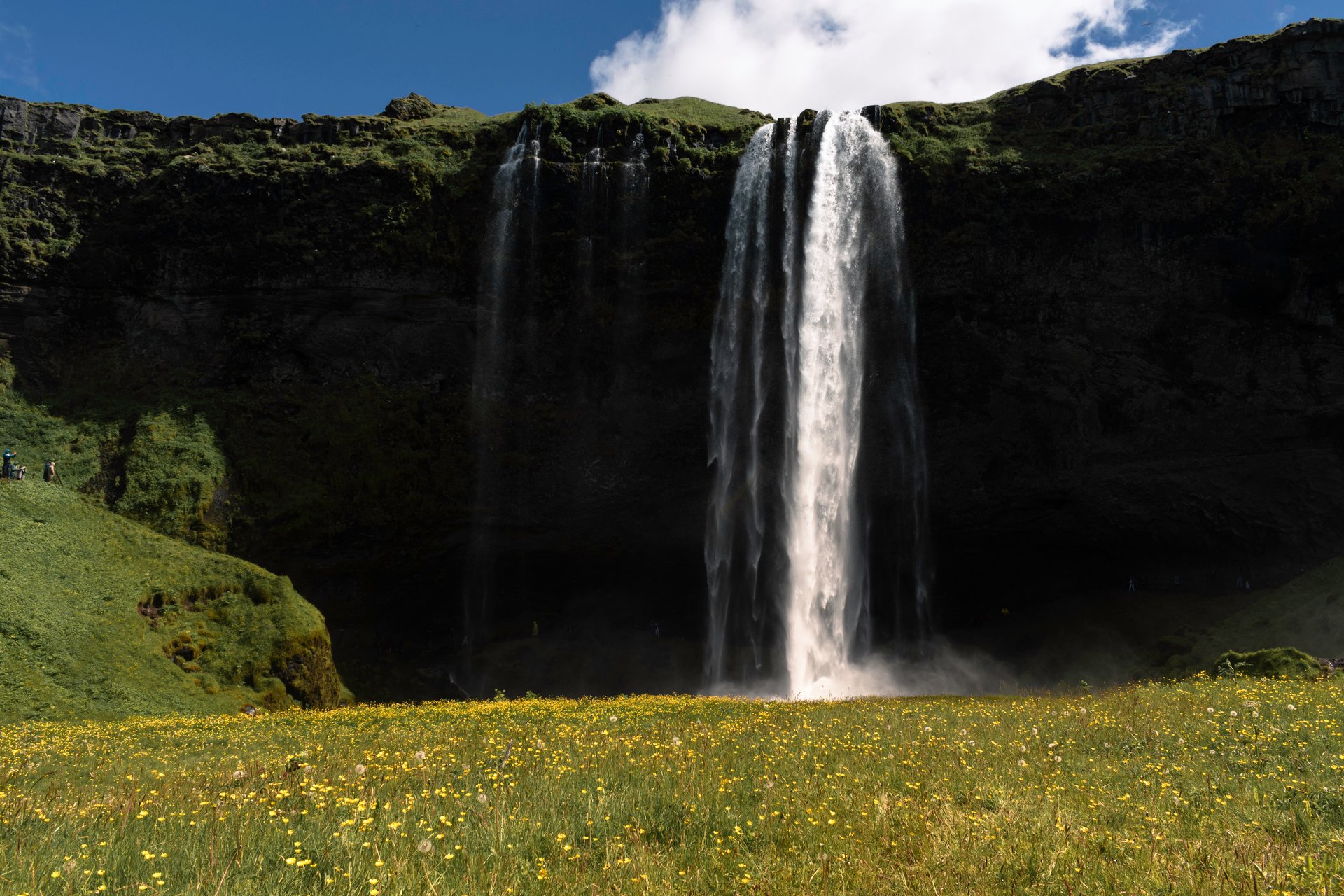
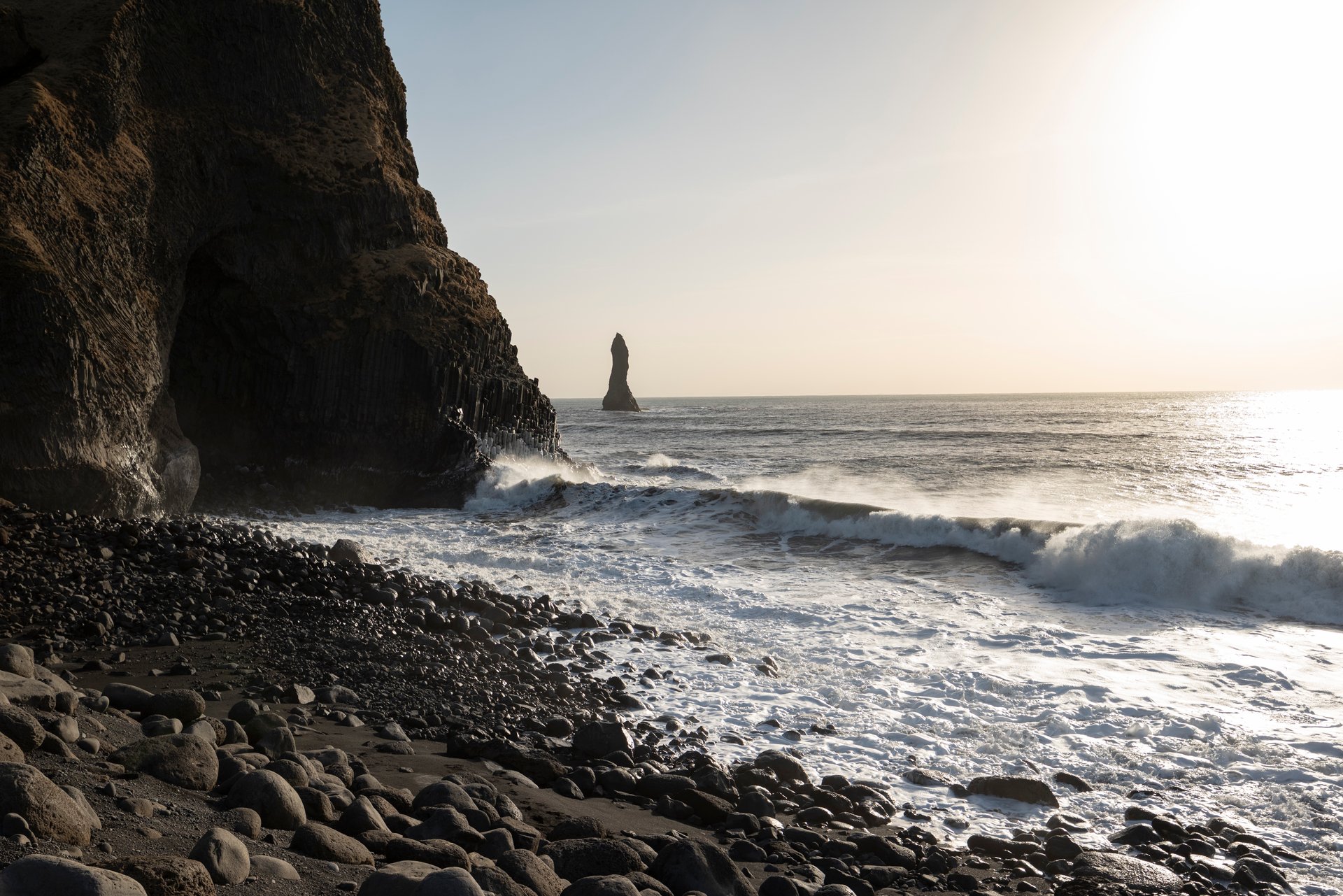
So we headed to the South Coast to visit the famous waterfalls, Seljalandsfoss and Skógafoss, which tumble majestically from cliffs, fed by the melting ice from the Eyjafjallajökull and Mýrdalsjökull glaciers. A stop was also needed along the huge black sand beaches at Reynisfjara.
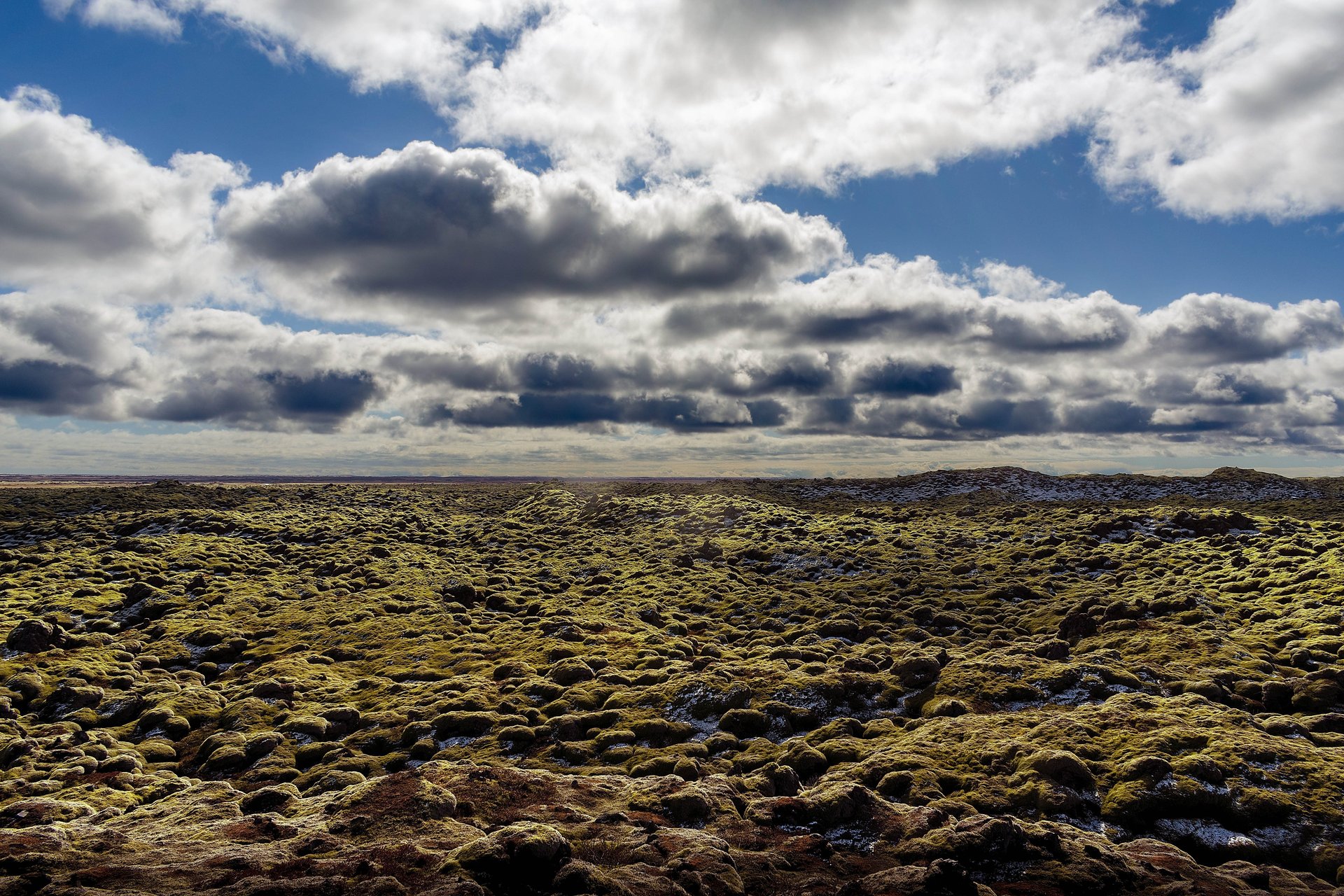
We decided to spend the night at the Kirkjubæjarklaustur campsite, which gave us a chance to discover one of the largest lava fields of modern times, the result of the 18th-century Laki eruption. Our three-room tent went up for the first time, and everyone settled onto the comfortable inflatable mattresses. Despite the delays, spirits remained high.
Day 2: Finally, Into the Highlands
F208 Mountain Road
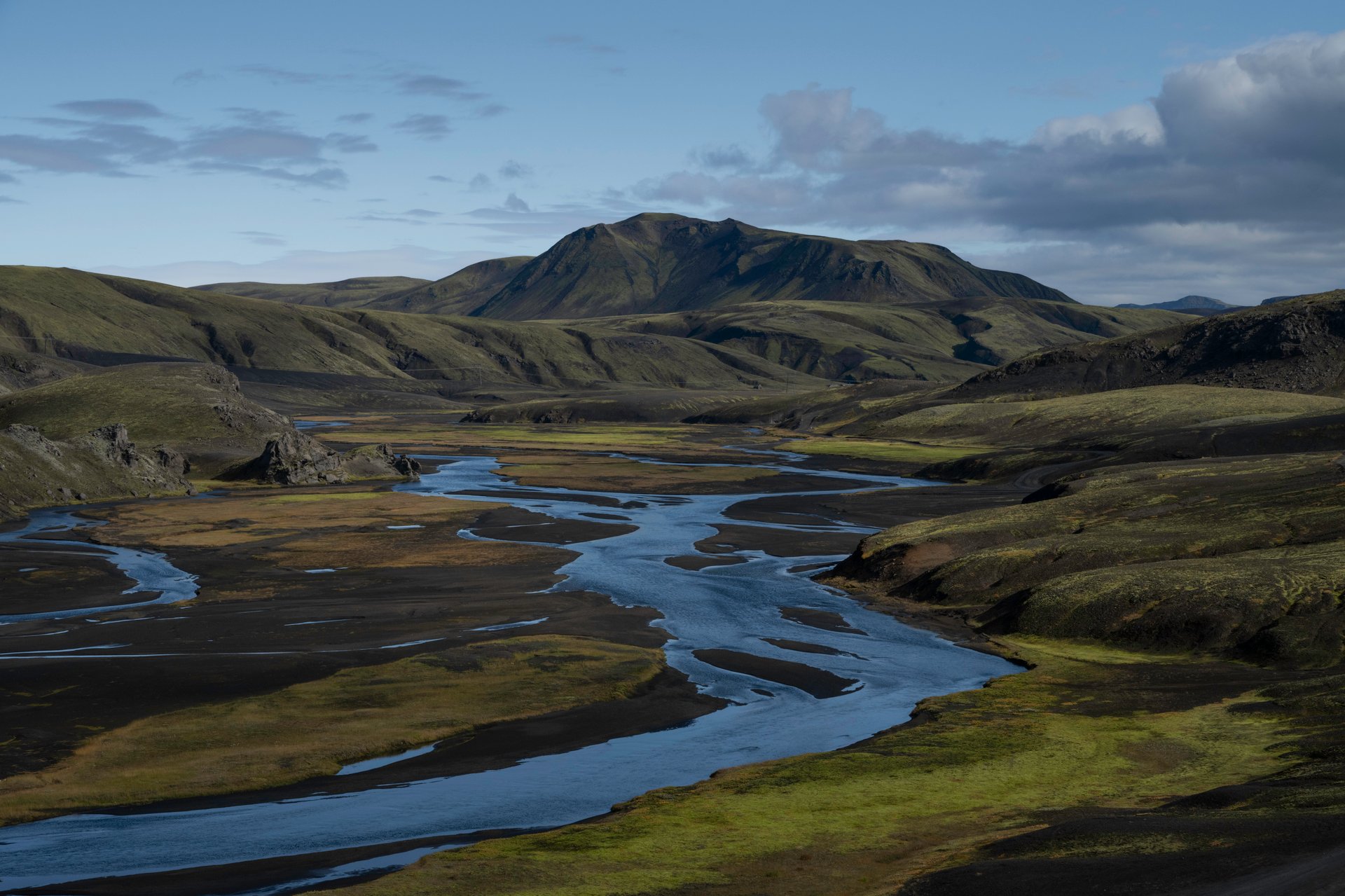
The next day, the weather finally improved, and we set out towards the Highlands via the mountain road F208! Wide open spaces and wild nature awaited us. We began a slow climb up the gravel track after adjusting tire pressures on our modified vehicle to make the ride more comfortable.
After a few photo stops, it was picnic time at the Hólaskjól campsite. I also took our travelers to discover a charming hidden waterfall nearby: Huldufoss, which cascades into its canyon down an ancient lava flow, accessible after a short hike through a mossy, lichen-covered lava field.
Ófærufoss in the Eldgjá Fissure
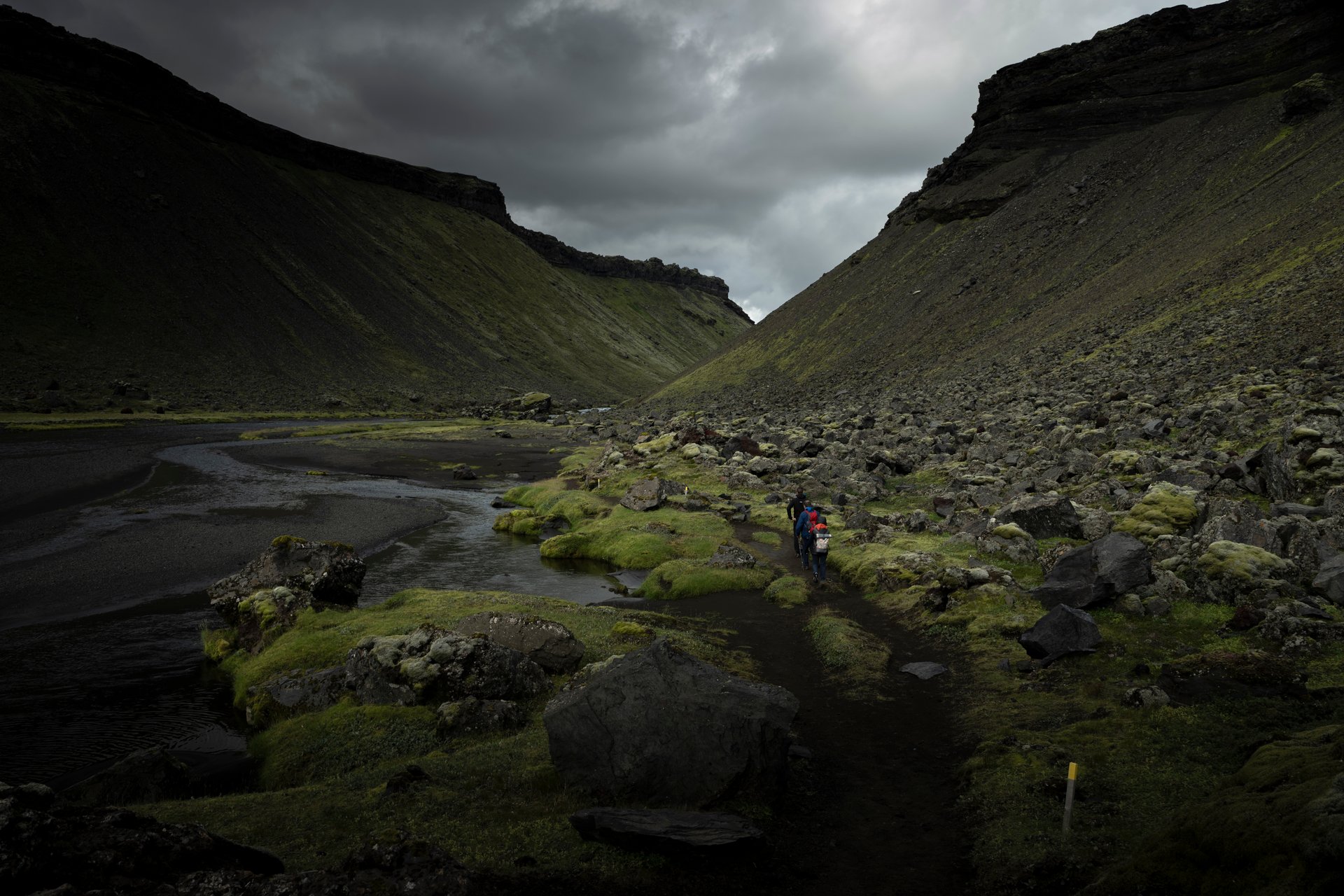
We continued northward to visit another regional attraction: Ófærufoss waterfall, nestled in the volcanic fissure of Eldgjá. The hike here was a bit more technical and long, but one can wander at the bottom of the fissure, dwarfed by towering volcanic rock walls, or walk along the edge, marveling at the vast scale of this natural wonder.
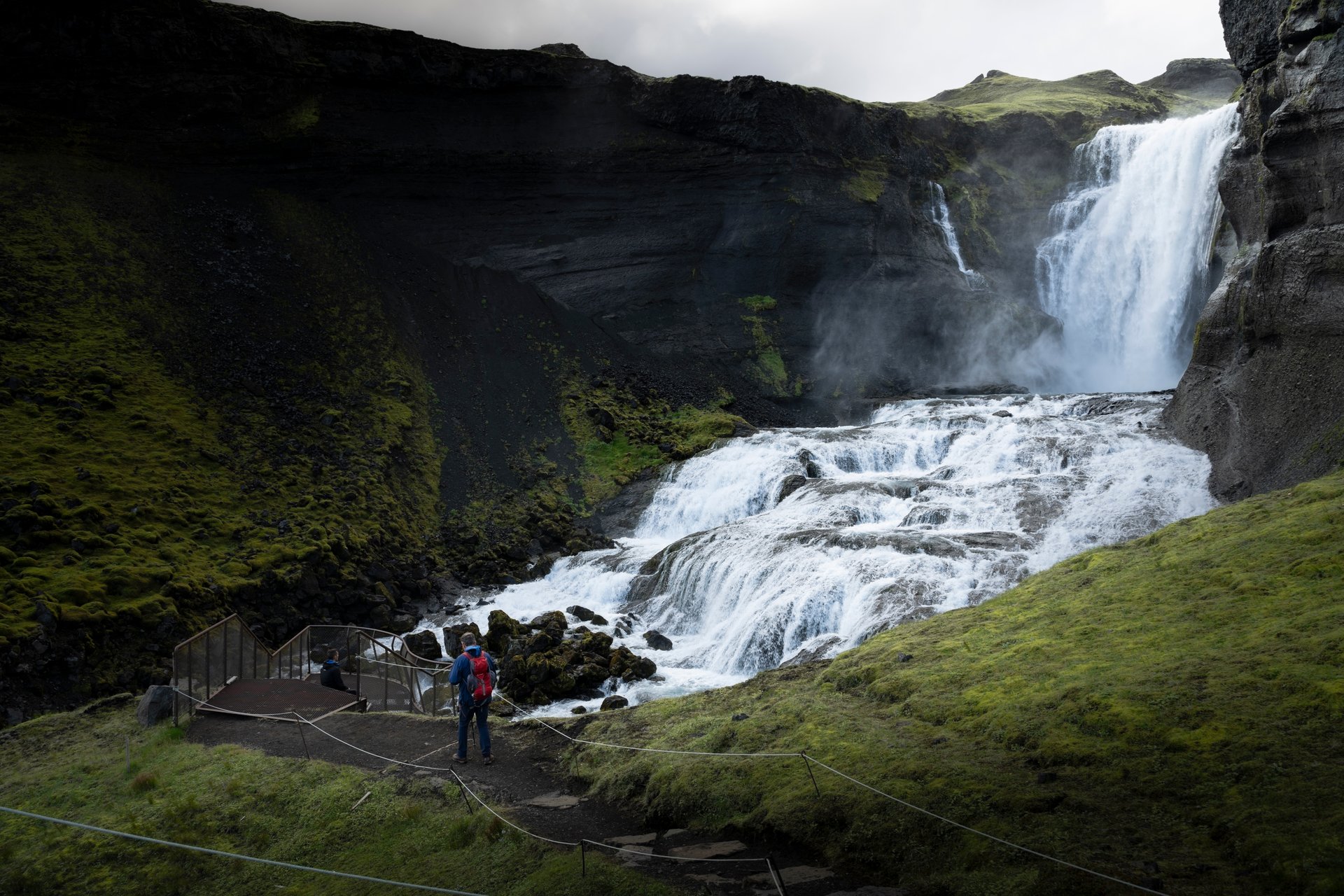
After a few kilometers hiking, we finally saw the stepped waterfall, falling in a series of slides. The charm and uniqueness of these places are stunning. Here, visitors feel one with these isolated spots where mass tourism has not yet arrived.
First Highland Camp at Langisjór
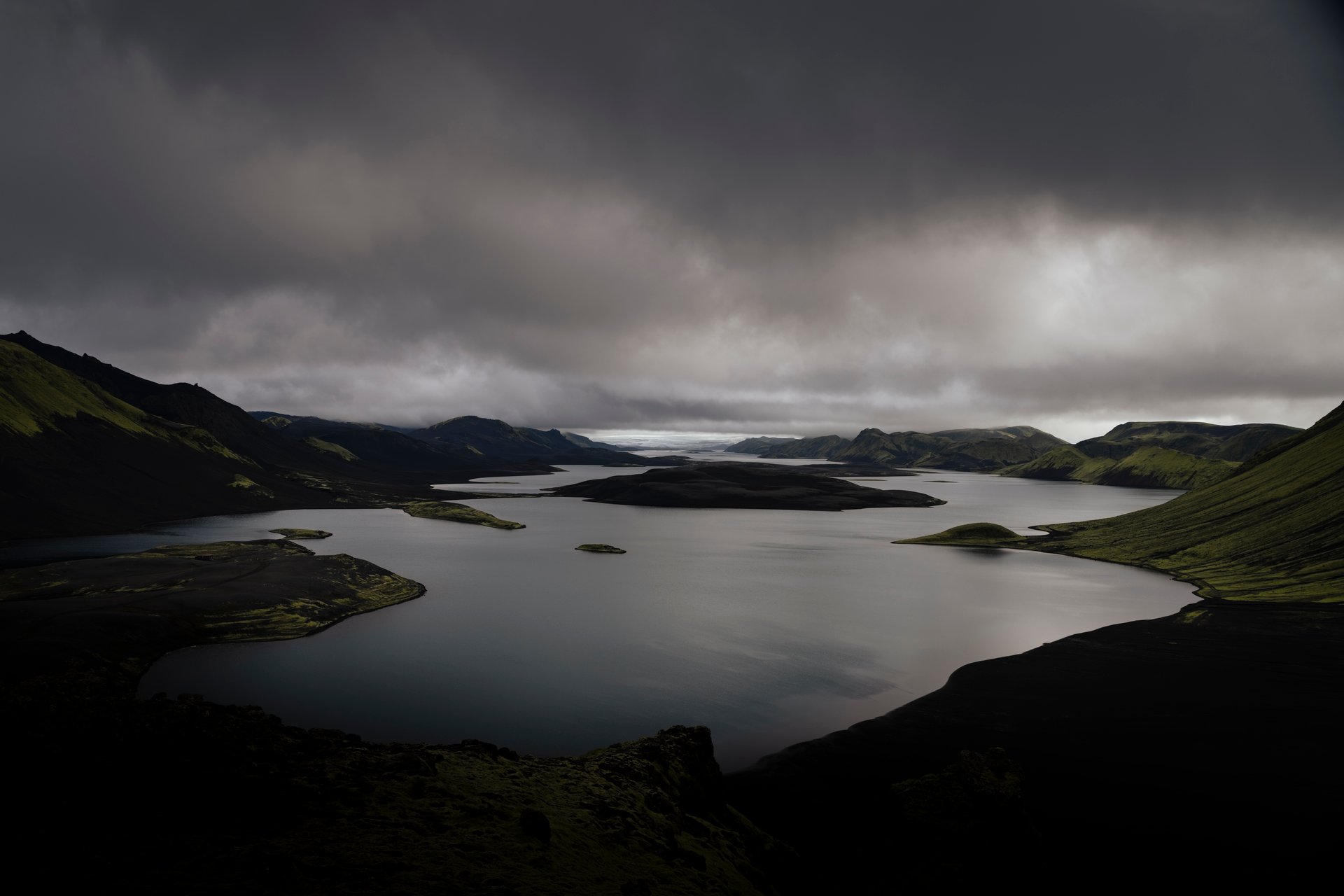
It was time to rest, so we headed to Langisjór to pitch our tent. The weather then reminded us where we were: the temperature dropped close to zero, and the rain began. We huddled together in our large communal tent, cooking a dinner to warm us as we recalled the day’s marvels. The three-room setup allowed everyone their privacy while we gathered in the common area for meals and conversation.
Day 3: Langisjór to Landmannalaugar
Rain by the Lake
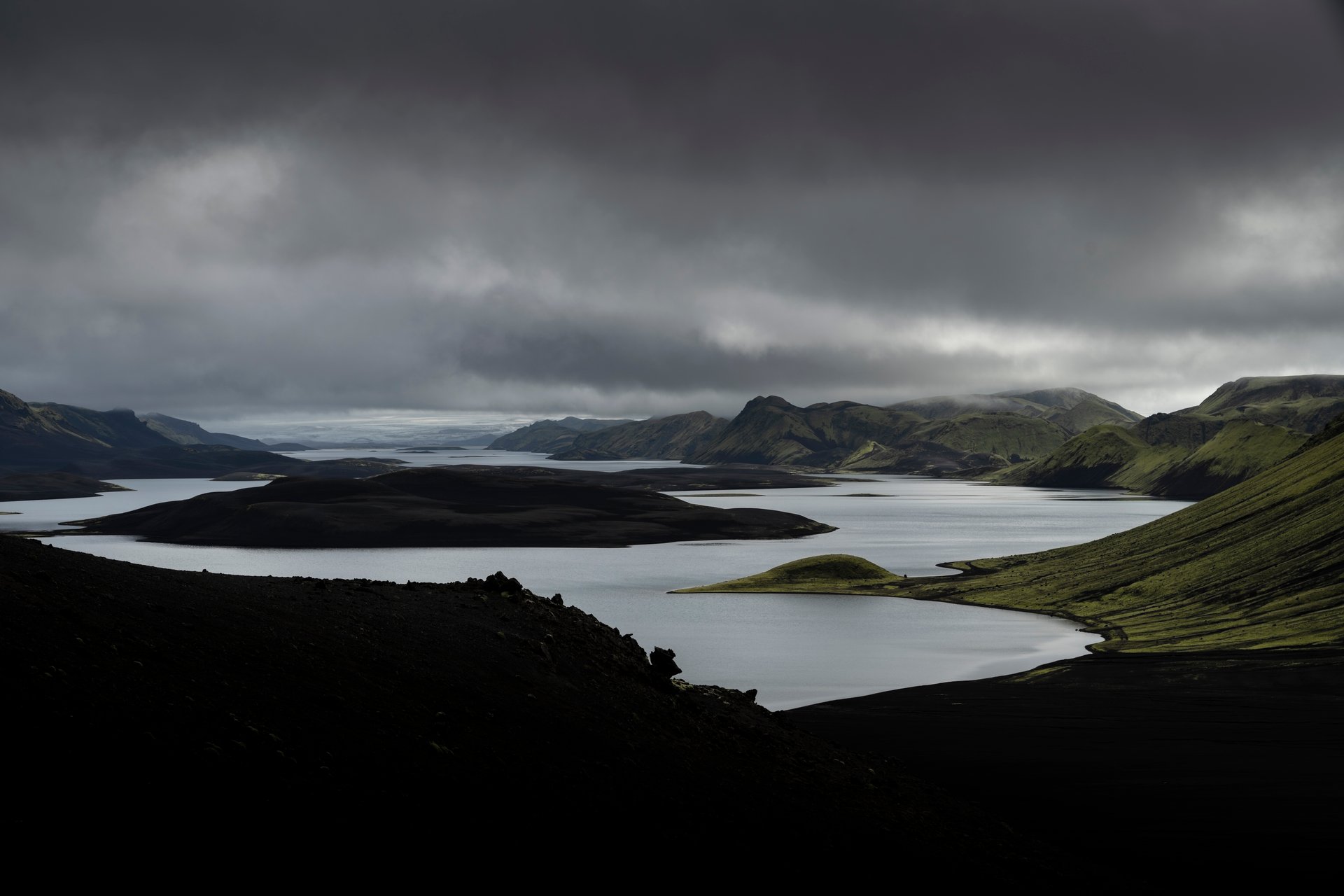
The rain persisted the next morning by Langisjór lake, but we set off to explore this expanse of black sand and water, flanked by two volcanic ranges under the watchful eyes of distant glaciers. A mountainside ascent gave us a dizzying view over the lake and ancient volcanoes partly covered in that signature Icelandic moss, which glows bright green under the rain’s moisture.
The Hot Springs of Landmannalaugar
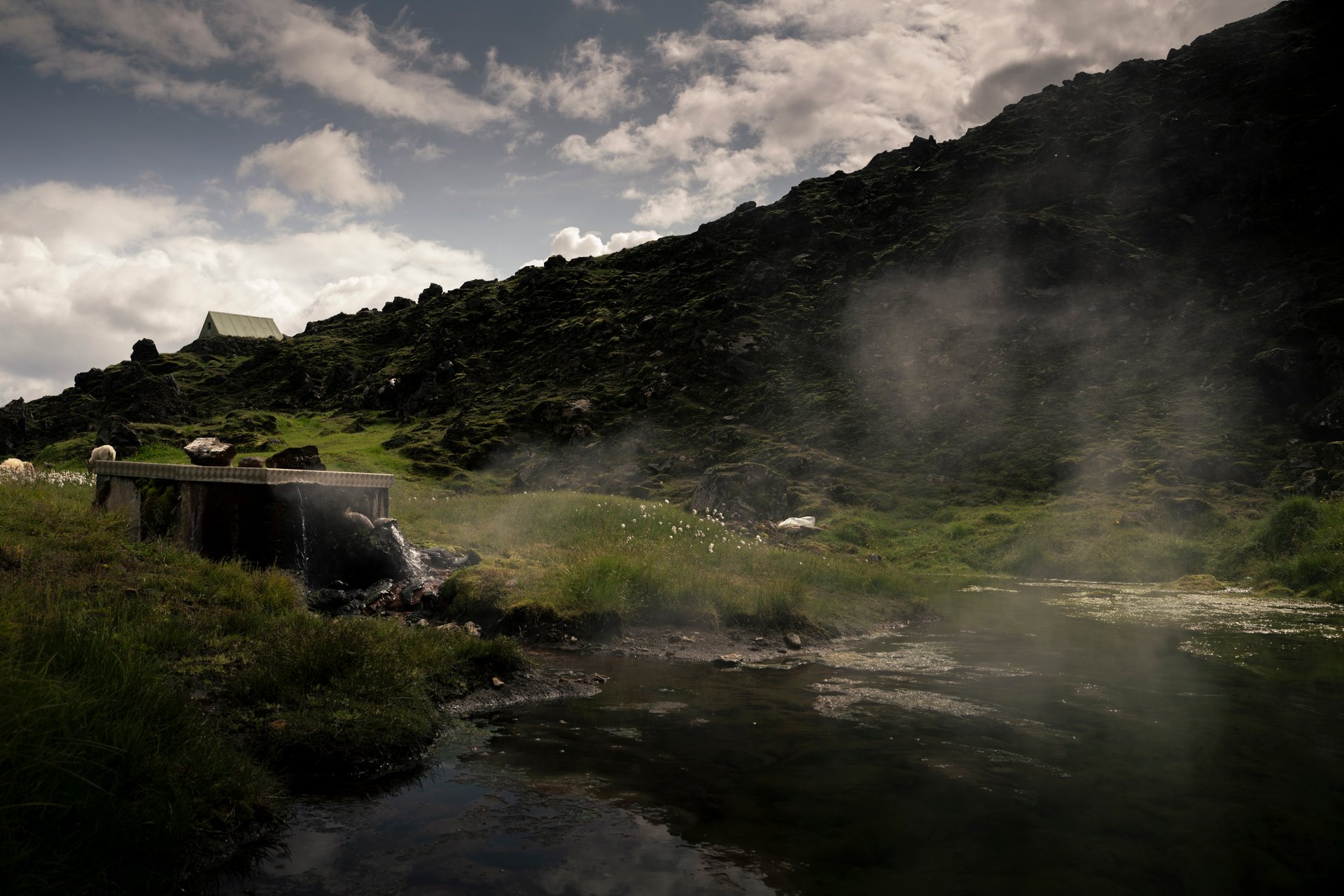
Warmed up by our hike, we set off toward our next stop: Landmannalaugar. Once there, we set up camp, and our clients enjoyed a favorite Icelandic pastime: soaking in hot springs.
Iceland benefits from a rare and precious natural resource: geothermal energy. Rainwater seeps into the ground, is heated by hot rock or magma, and resurfaces, giving Icelanders low-cost hot water for heating, tap water, and electricity. In Landmannalaugar, hot springs mix with a cool river, reaching the perfect swimming temperature in places! After the cold rain, this natural bath was exactly what everyone needed.
Day 4: Rhyolite Mountains and Volcanic Peaks
Sunrise in the Fjallabak Nature Reserve
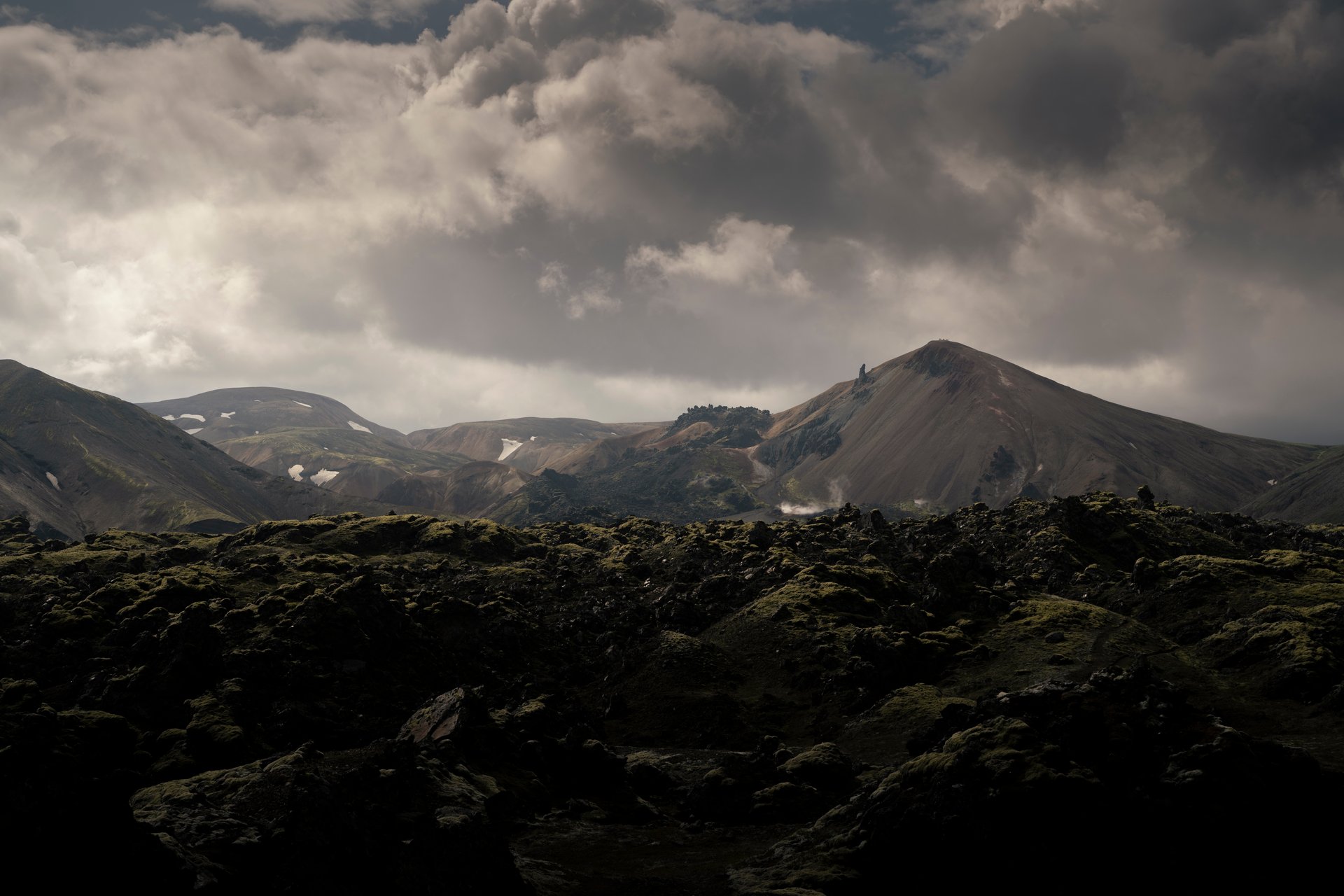
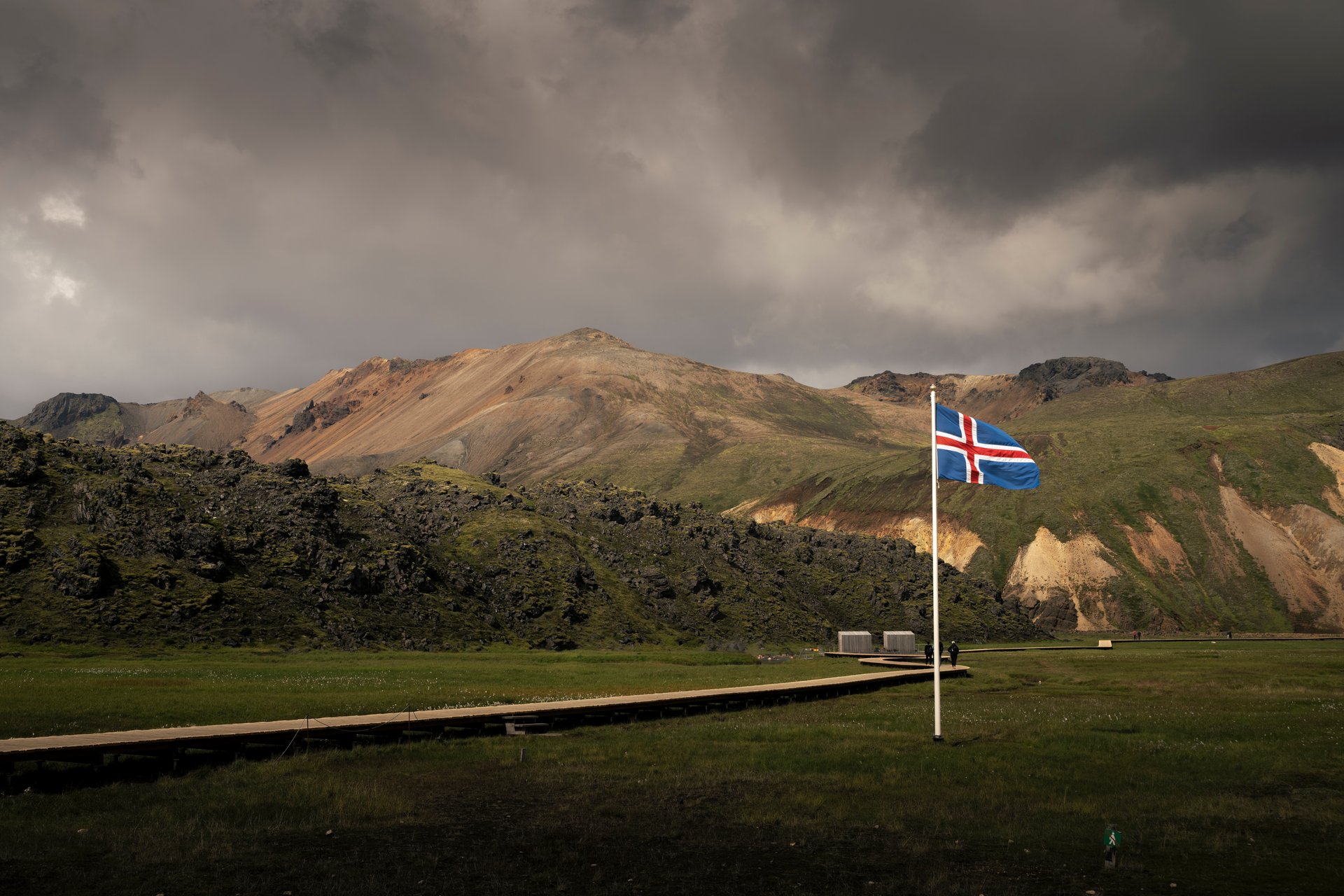
The next morning, the sun greeted us, revealing the region’s amazing rhyolitic mountain landscapes around the Fjallabak Nature Reserve. We found ourselves surrounded by colorful peaks: red, green, blue, yellow, and orange, remnants of ancient eruptions, with black pyroclastic lava flows from post-glacial eruptions.
Hiking Bláhnúkur and Brennisteinsalda
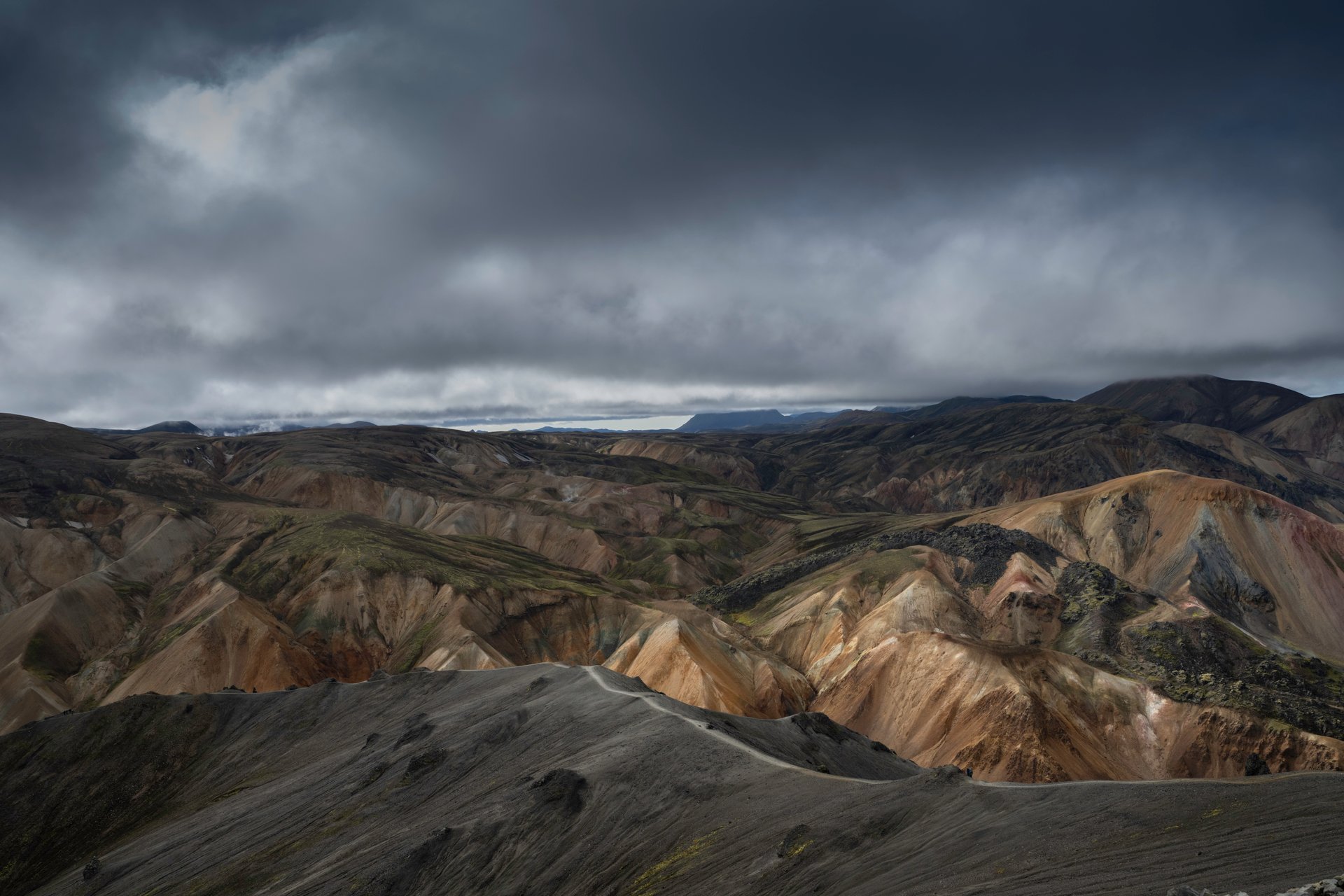
From the base camp, we hiked along the ridgeline to Bláhnúkur (“the blue peak”). Taking in the breathtaking view, we descended and then climbed towards our next summit: Brennisteinsalda (“the sulfur wave”), where we could see lava flows and fumaroles billowing below. The landscape felt otherworldly, like something from another planet entirely.
Day 5: Weather Forces a New Route
The Cold Snap Decision
Consulting the weather forecast, it seemed a cold snap lay ahead. With the thermometer dropping near zero at night and wind from the glaciers, we chose not to camp at Nýidalur, at the glacier’s foot, and instead circumnavigated Vatnajökull (the biggest glacier in Iceland and Europe) via the south.
This meant abandoning our original Highland route, but it also meant discovering landscapes we might have otherwise missed.
The Grandeur of the Southeast
Upon reaching Kirkjubæjarklaustur, civilization called, and we dined at a restaurant instead of cooking at camp! After a good night’s sleep, it was time to rack up miles toward the eastern fjords.
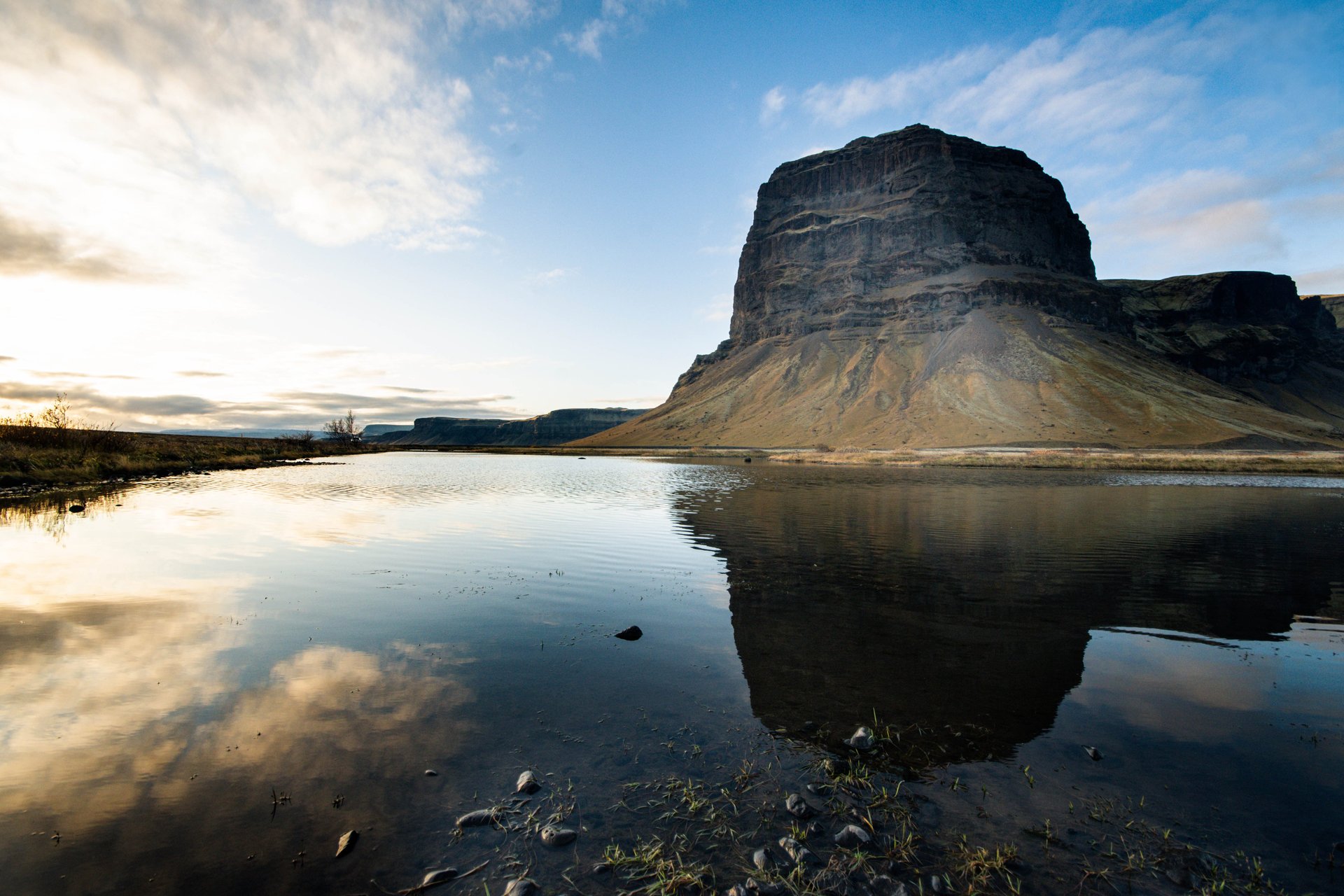
The change of plan came with no regret; unpredictability and adaptation are part of any trip or adventure. The grandeur of the south coast landscapes rivals anywhere in Iceland. We passed Lómagnúpur, shaped by millions of years of eruption and erosion.
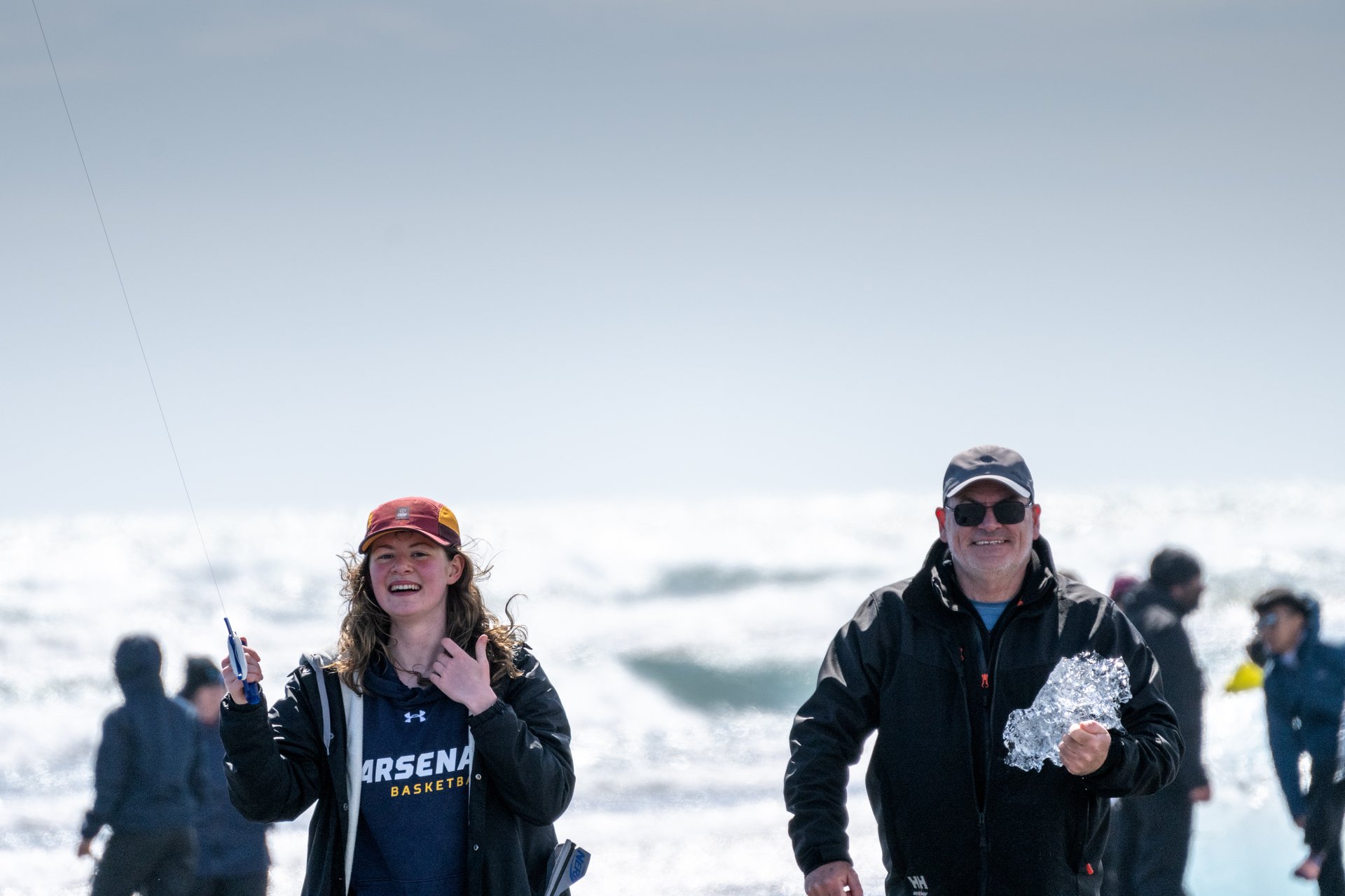
We saw Hvannadalshnjúkur, Iceland’s tallest peak (2,110 meters), a subglacial volcano surrounded by countless glacier tongues. We trekked to the foot of Svínafellsjökull glacier (from the Öræfajökull peaks), and stopped at Jökulsárlón glacier lagoon, where massive icebergs stall before reaching the sea and smaller ice chunks drift out, landing on the black sand beach known as the “Diamond Beach.”
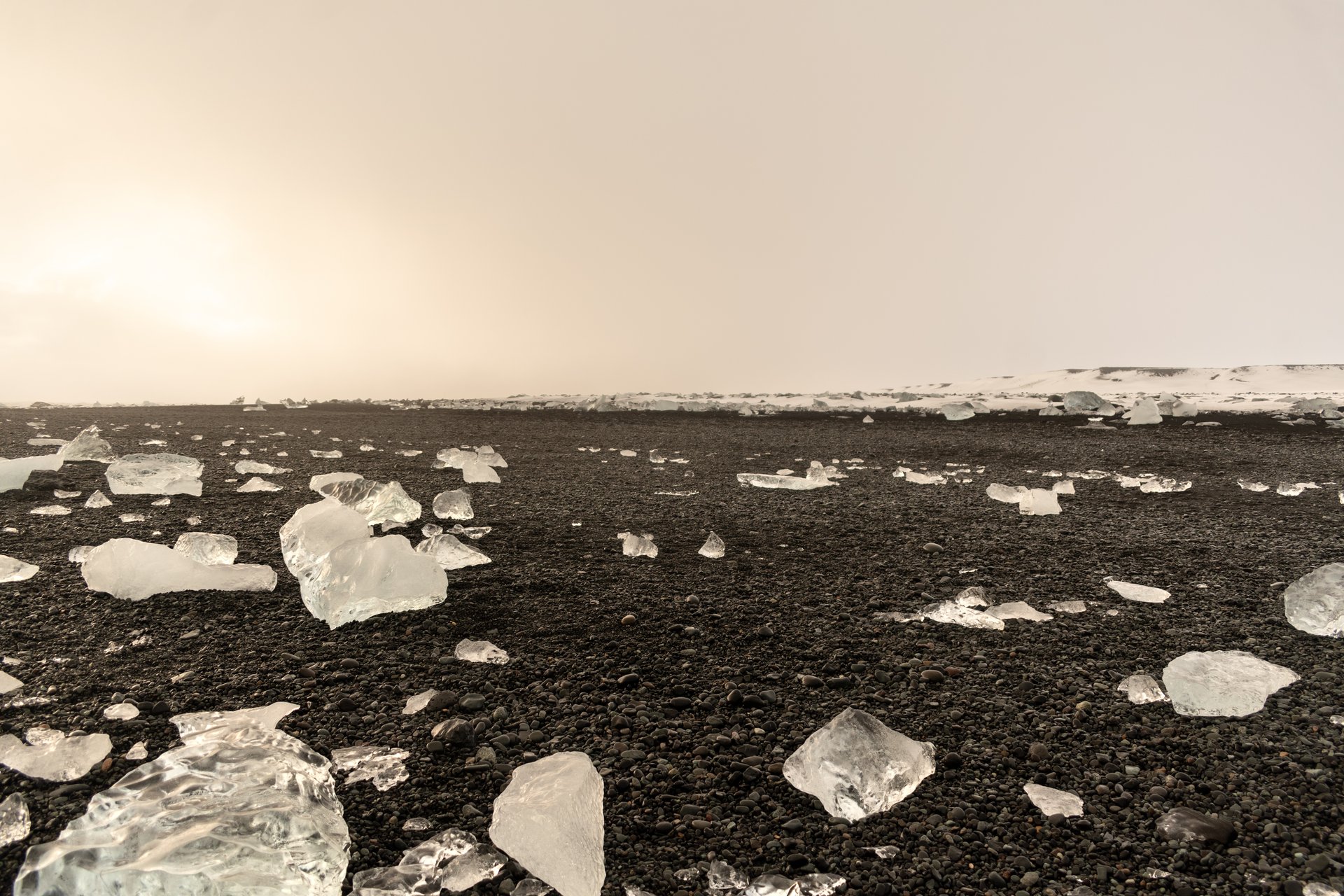
The sights were spectacular, and we watched as migratory birds feasted in the lagoon; visitors couldn’t help but laugh like children at the sight of a seal or an iceberg rolling over. The show was grand!
Day 6: Eastfjords and Return to the Highlands
Through the Fjords
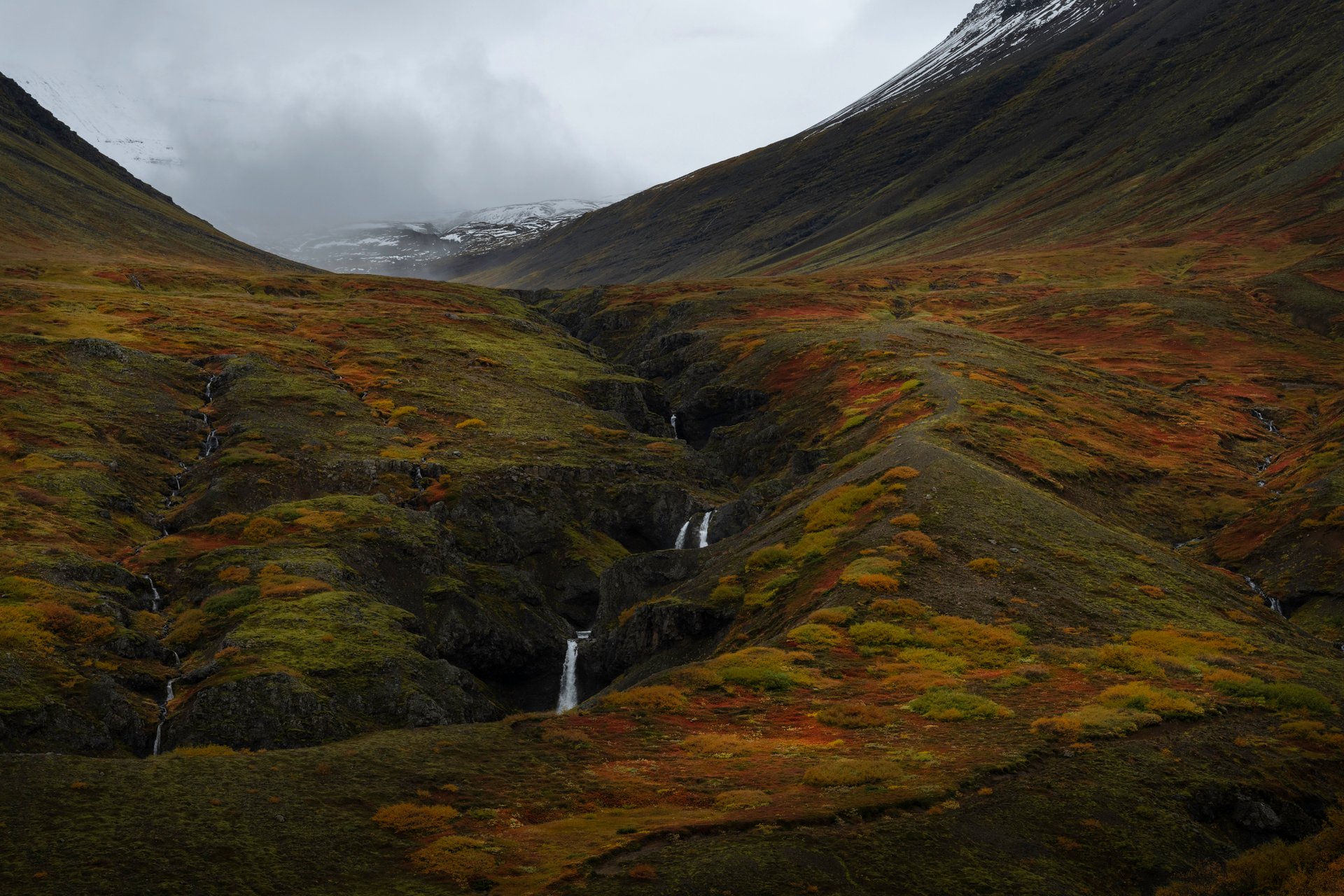
We headed through fjords and winding roads, where sea inlets snake alongside towering mountains—remnants of ancient Iceland and the glaciers that covered the entire land more than 10,000 years ago. We left route 1 to take the 939’s Öxi Track, passing canyons and then crossing Iceland’s largest forest into Egilsstaðir.
Stuðlagil Canyon
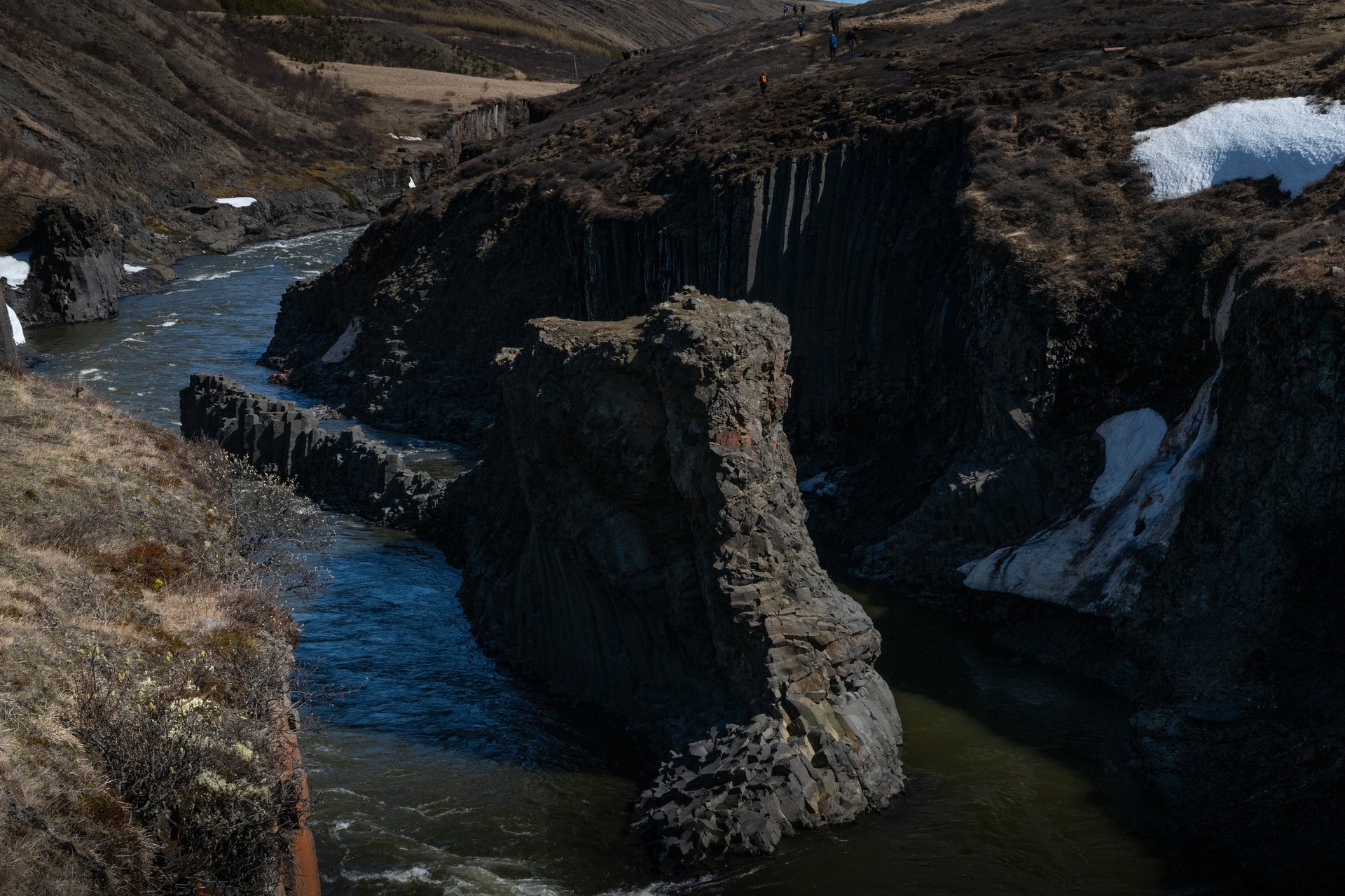
We set up camp at the edge of Stuðlagil canyon. The next morning revealed its beauty: the glacial river Jökulsá had carved the valley, exposing a natural marvel: basalt columns. These formations reveal themselves only after erosion slowly exposes their cross-sections. The turquoise water flowing between the geometric basalt columns created one of the most photogenic scenes of the entire journey.
Day 7: Into the Highlands Proper – Askja
The F-Road Challenge
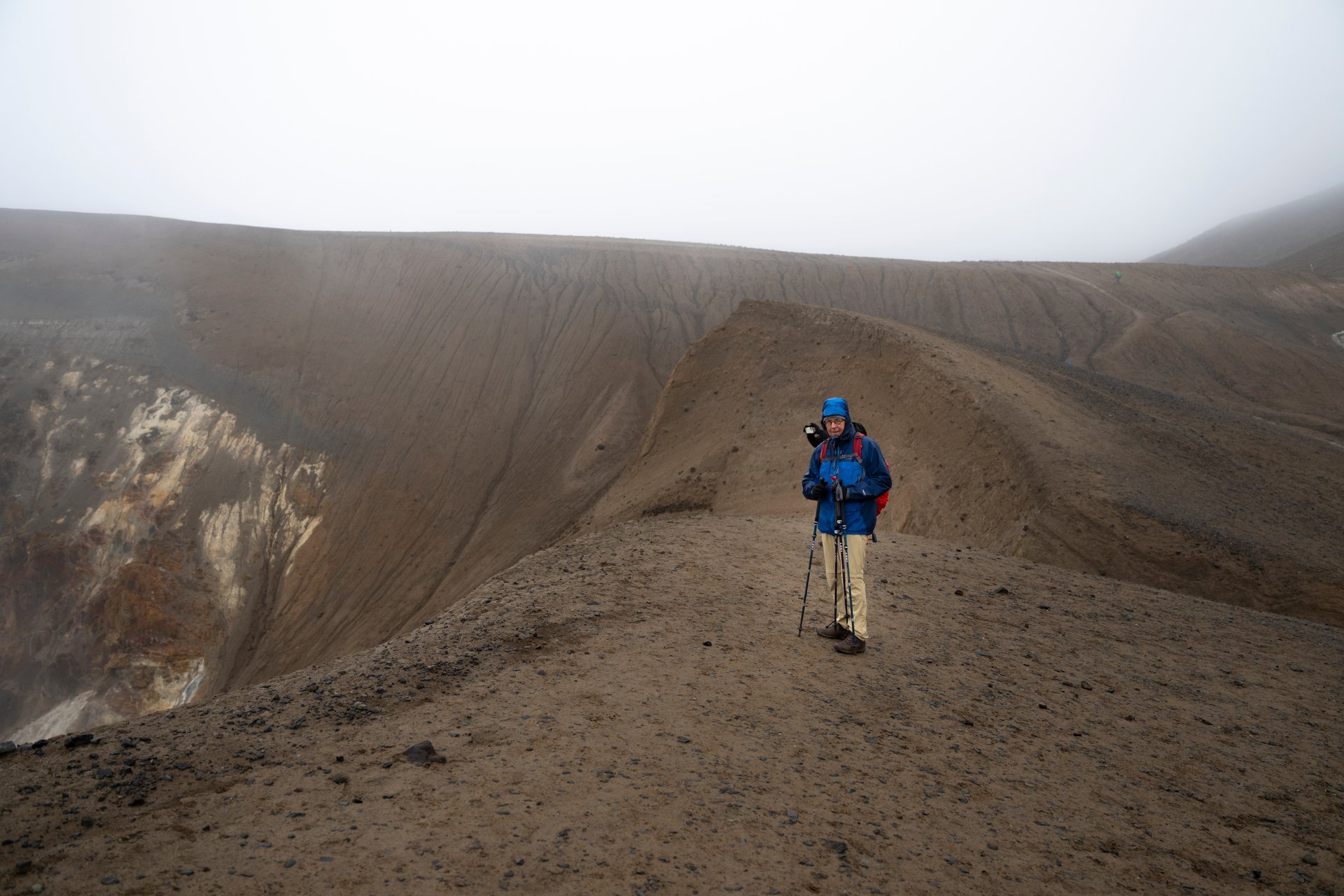
From here, we tried to pick up our original route towards the renowned F-classified mountain tracks on the way to Askja. As we went deeper into the Highlands, travelers became fewer, while natural obstacles multiplied: river crossings, black sand deserts, jagged lava flows.
At each mountain pass or turn, a new, otherworldly landscape unfolded. The Moon, Mars, maybe even Tatooine… You let your imagination run wild, wondering if this is how an astronaut might feel on a new world. Rivers, oases of life, appeared and vanished quickly amid these harsh, barren volcanic deserts.
Askja Caldera
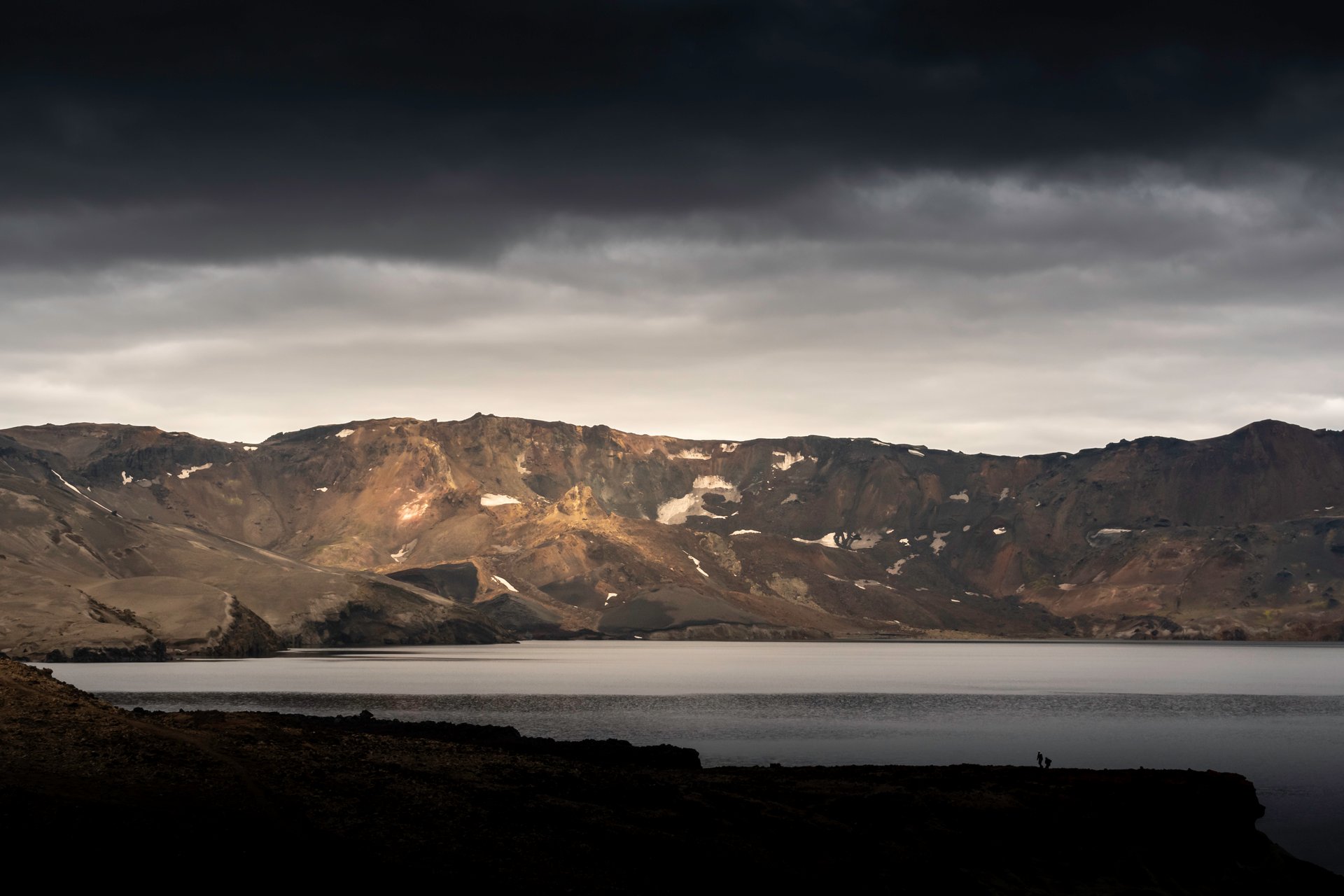
Gradually, we climbed toward the immense caldera of the stratovolcano Askja. Once under glaciers, this vast volcanic system collapsed at its center, and the caldera filled with water, forming a crater lake.
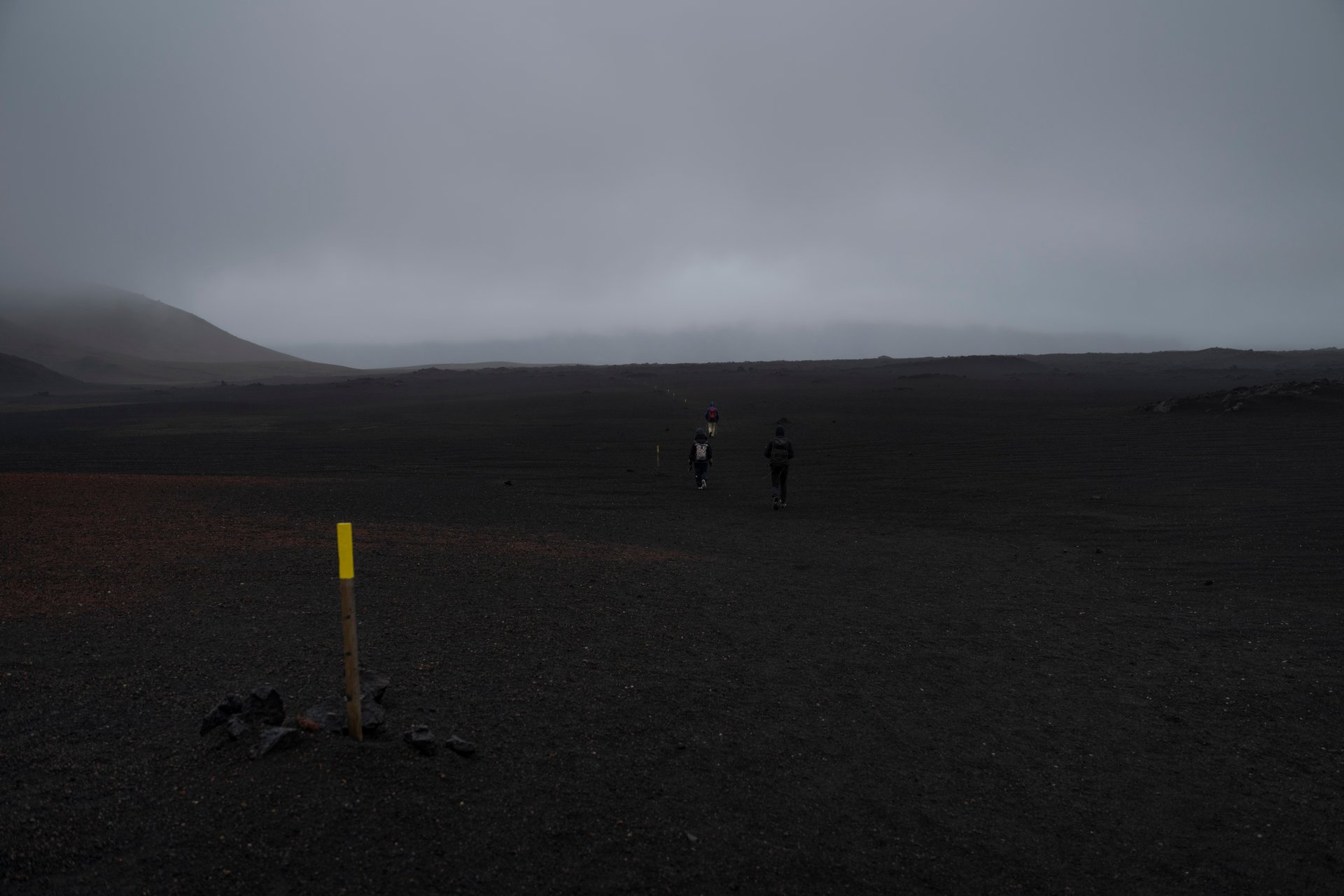
We hiked to see the lake and the adjacent tiny crater, Víti (“Hell” in Icelandic). Formed by a massive 19th-century explosion, it’s still geothermally active: its waters are warm and a milky blue, colored by volcanic gases. Behind stretches the Askja lake, overlooked by the northern edge of Vatnajökull.
Icelandic weather again proved its nature, as fog and sleet enveloped us suddenly. After all, we were at altitude. Time to head back to the car and descend toward Möðrudalur.
Möðrudalur Farm – End of the World
That evening, we reached Möðrudalur farm and were greeted by a unique sight: two young arctic foxes bounding around their den. The campsite featured a communal kitchen with a special charm: a little traditional Icelandic house, similar to one used by Vikings, with an earthen floor, volcanic stone walls, wooden beams, and a turf roof.
Isolated and lost at the world’s end, this area has a peculiar look. Most buildings have turf roofs; animals roam freely. You see dogs busily searching under the kitchen windows, goats on the roofs munching the grass, and even reindeer living harmoniously with humans. There’s a parade of off-road vehicles, all sorts from all corners of the globe. Here, adventurers gather to explore the Highlands, or, like us, reconnect with civilization.
Day 8: Northern Wonders and Farewell
Krafla and Mývatn
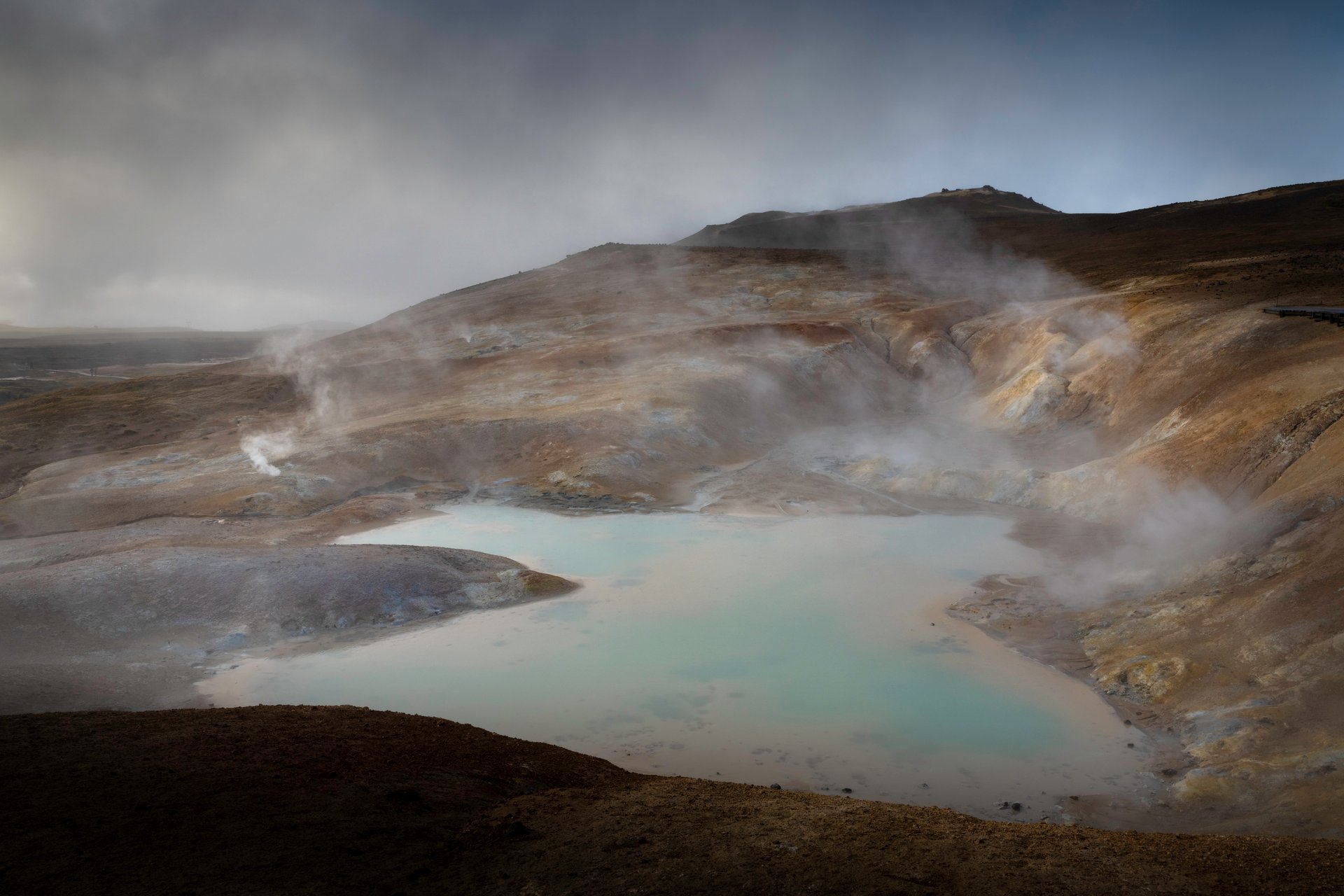
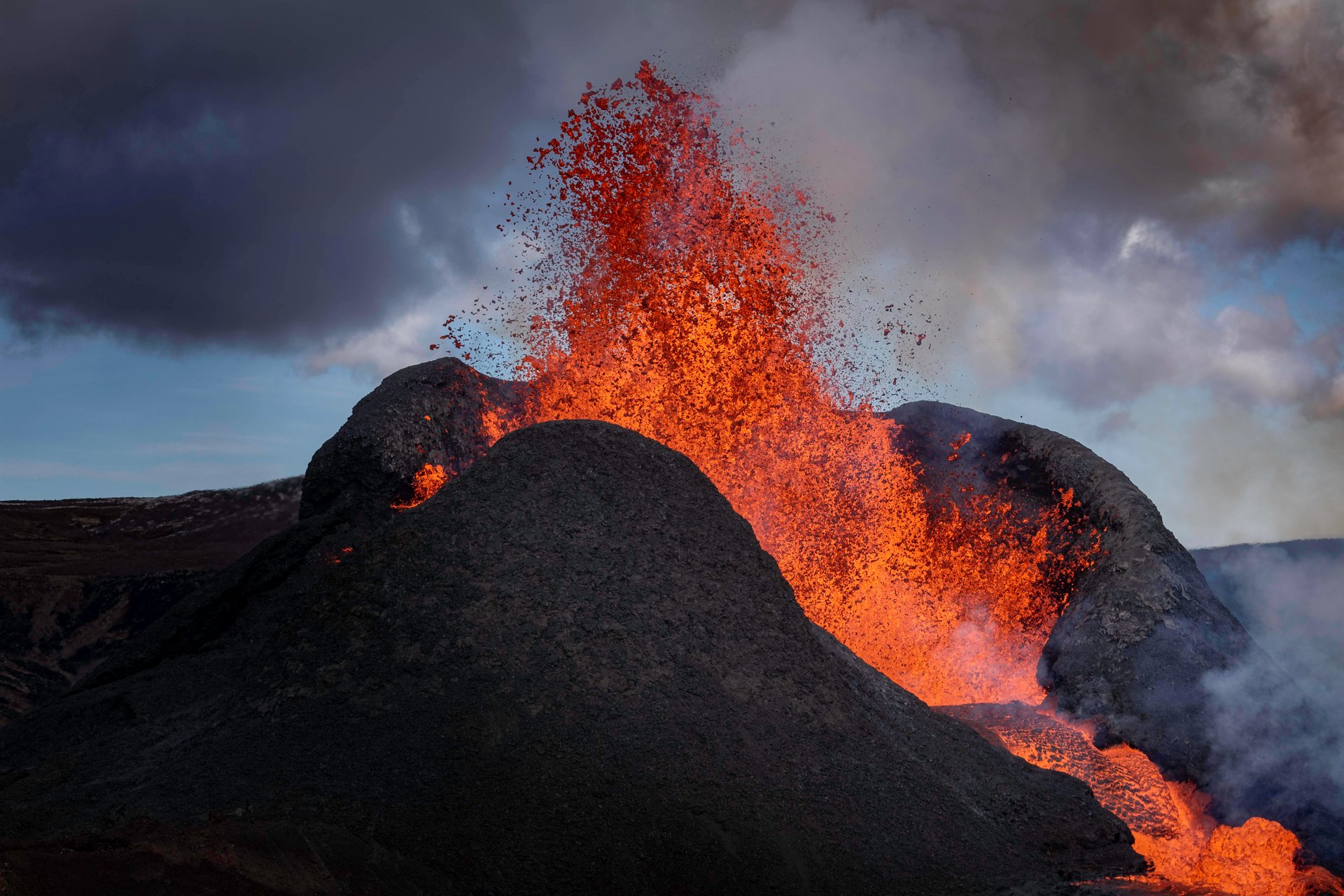
The next morning we returned to paved roads, but there were still discoveries to be made. We drove toward the Mývatn region (Lake of Midges) in the north. First, we visited the Krafla volcanic fissure, an extremely active volcanic and geothermal area. The last eruption, the Krafla Fires, ended in 1984, leaving a still-smoking lava field and magma just 2 kilometers below the surface to power energy and hot water for the entire region.
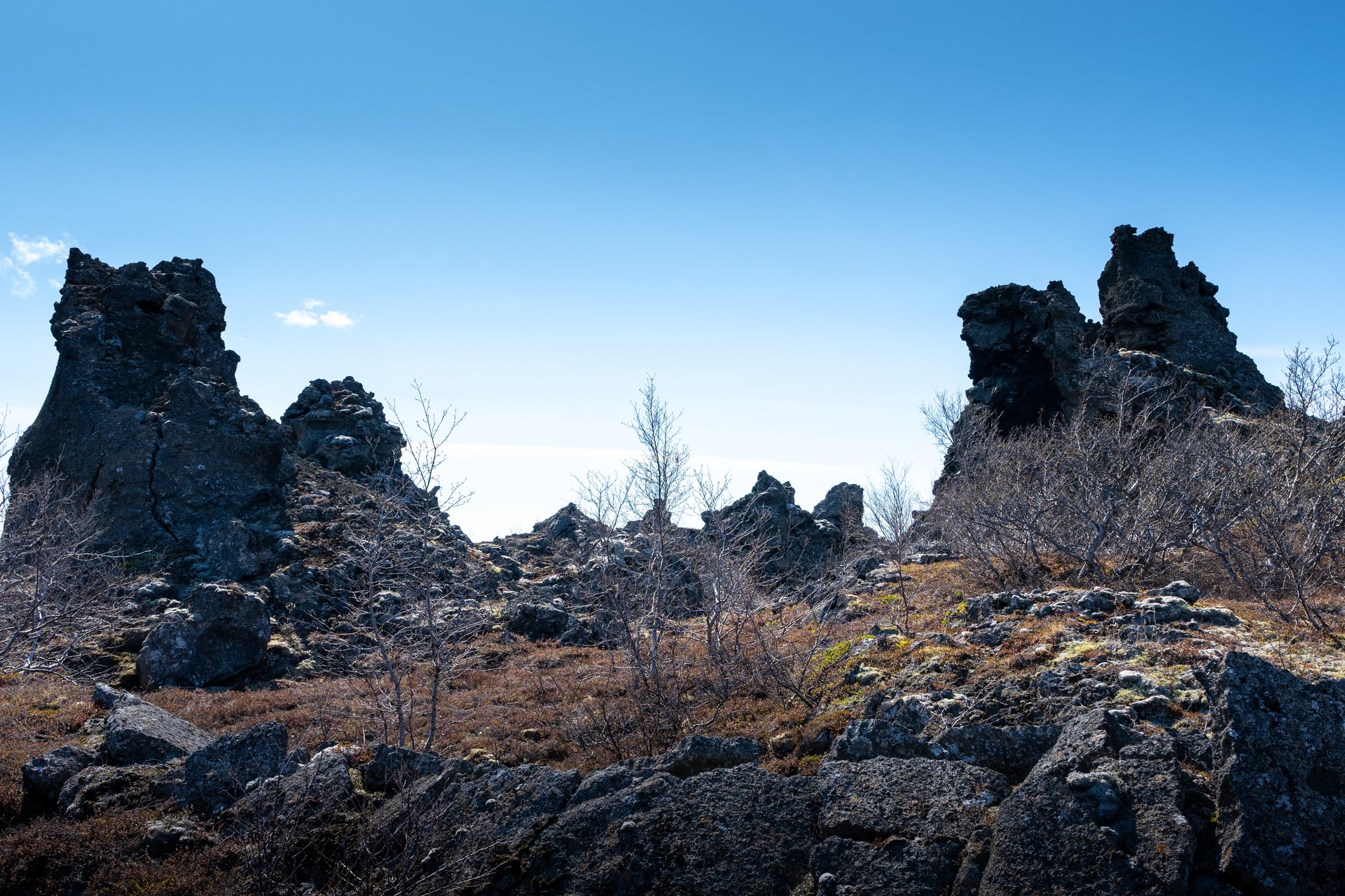
At Lake Mývatn, we walked around Dimmuborgir (“Dark Fortress”), a 2,300-year-old lava flow. When lava here met water, a strange event occurred: the steam and volcanic gases formed a whole field of black columns, jutting up like towers from another world. Native birch woods have since regrown here. This place gained further fame as a filming site for the TV series inspired by the Game of Thrones novels.
Goðafoss – The Final Stop
One last stop before the end of our journey: on the way to Akureyri, we stopped at Goðafoss (“Waterfall of the Gods”), where the region’s Viking chief is said to have thrown representations of pagan gods into the waters upon Iceland’s conversion to Christianity in the year 1000. The beautiful semicircular waterfall plunges glacial water into a basalt gorge, a fitting final spectacle.
Akureyri – Journey’s End
After another hour’s drive, we reached Akureyri, set at the end of Eyjafjörður, the longest fjord in Iceland. It was time to part from our travelers, filled with emotion after this truly memorable journey across the island of ice and fire.
Reflections on Highland Expedition Life
Weather: The Unpredictable Companion
This expedition perfectly illustrated the fundamental truth about Iceland’s Highlands: the weather dictates everything. Our carefully planned route changed multiple times, yet each adaptation led to unexpected discoveries. The jökulhlaup that closed our first destination sent us to the South Coast. The cold snap that prevented camping at Nýidalur gave us time at Jökulsárlón. Every challenge became an opportunity.
The Three-Room Tent Experience
Our large communal tent proved invaluable for this type of expedition. With three separate rooms, clients maintained privacy while the central area served as our gathering space. When temperatures dropped near zero and rain pounded down, that shared space became our refuge: a place to cook warm meals, share stories, and build the camaraderie that defines successful expeditions.
The inflatable mattresses made camping comfortable even in harsh conditions. After long days navigating F-roads, crossing rivers, and hiking volcanic peaks, everyone appreciated a good night’s sleep.
F-Road Navigation and 4x4 Skills
Crossing Iceland via the Highlands requires not just a capable vehicle but also experience reading terrain, assessing river crossings, and making constant judgment calls about safety and accessibility. Each F-road presents unique challenges: sharp volcanic rock that can shred tires, deep river crossings that require precise entry and exit points, and black sand that can trap vehicles if approached incorrectly.
The modified 4x4 with adjusted tire pressures handled beautifully, but the vehicle is only as good as the driver’s decisions. This is why Highland expeditions should always be guided by experienced professionals who know these routes intimately.
The Reward of Remote Iceland
Despite (or perhaps because of) the challenges, this Highland crossing delivered experiences impossible to find on paved roads. We stood at Askja’s crater edge as weather closed in. We soaked in Landmannalaugar’s hot springs after hiking rhyolite peaks. We witnessed arctic foxes at Möðrudalur and walked through volcanic fissures where few tourists venture.
These remote regions of Iceland preserve a wildness increasingly rare in our modern world. The effort required to reach them makes the experience more valuable, not less.
Planning Your Own Highland Expedition
If this account has inspired your own Highland adventure, here are essential considerations:
Timing: The Highlands are accessible only during summer (typically late June through early September). Even then, weather and road conditions vary dramatically. F-roads open on different schedules based on snow melt and river levels.
Vehicle Requirements: Standard rental cars cannot access F-roads legally or safely. Modified 4x4 vehicles with appropriate ground clearance, river crossing capability, and equipped for self-sufficiency are essential.
Camping Equipment: Temperature can drop near freezing even in summer. Quality tent, warm sleeping arrangements, cooking equipment, and sufficient supplies for self-sufficiency are mandatory.
Flexibility: As this expedition demonstrated, rigid itineraries don’t work in the Highlands. Build buffer days, have backup routes, and embrace adaptation as part of the adventure.
Experience: Highland crossing requires technical driving skills, navigation ability, weather assessment, and emergency preparedness. First-time Highland visitors should join guided expeditions or thoroughly research requirements before attempting independent travel.
For those interested in experiencing Iceland’s Highlands with expert guides, ask for your custom highland expeditions that adapt to conditions while maximizing your wilderness experience.
Ready to discuss your own Highland adventure? Contact us to start planning your expedition across Iceland’s remote interior.
Philippe is our lead guide and co-owner of Lilja Tours. He has been guiding in the highlands for years, bringing deep knowledge of F-roads, weather patterns, and Iceland’s most remote regions. He specializes in English or French-speaking tours.